How Travel Nurse Jobs Can Lead to High-Paying Agency Opportunities

Staffing agency

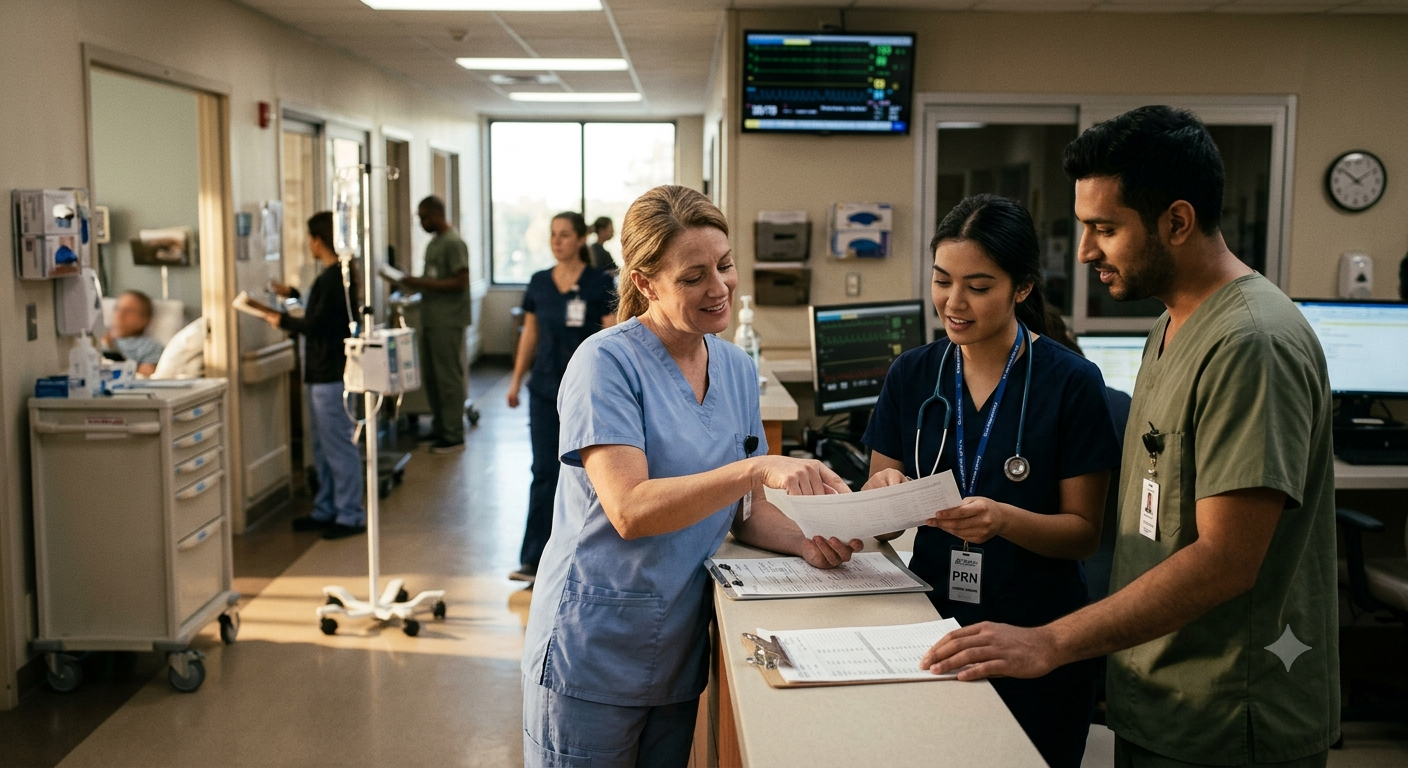
As a nurse, you might be wondering about my path ahead, how I can move up the ladder, how I can change my current work setting, like becoming a travel nurse, and more. The nursing profession has always offered stability, purpose, and the opportunity to make a meaningful difference in people’s lives. But now, nurses are discovering that there are more career pathways available than ever before. One of the most exciting and rewarding options is travel nursing. For many healthcare professionals, travel nurse jobs begin as a way to explore new locations, gain diverse clinical experiences, or enjoy greater schedule flexibility.
However, many nurses don’t realise that travel nursing can also serve as a gateway to some of the most sought-after and 
high-paying travel nurse jobs in the healthcare industry. At the same time, healthcare organisations are increasingly relying on travel nurses to address staffing shortages, maintain patient care standards, and enhance workforce flexibility. This growing demand has created tremendous opportunities for both healthcare employers and nursing professionals. Whether you’re a nurse considering your next career move or a healthcare employer looking for qualified talent, understanding the value of travel nursing can help you make smarter workforce decisions.  

 Why Travel Nursing Is More Popular Than Ever 

The healthcare industry is facing unprecedented workforce challenges. 

Hospitals, clinics, rehabilitation centres, long-term care facilities, and speciality healthcare organisations continue to experience staffing shortages. At the same time, patient demand remains high, and healthcare leaders are under pressure to maintain quality care while supporting employee well-being. As a result, travel nursing has become a critical workforce solution. Travel nurses accept temporary assignments at healthcare facilities experiencing staffing needs. These assignments can range from several weeks to several months, depending on organizational requirements. For nurses, travel assignments provide flexibility, professional growth, and exposure to new healthcare environments. For employers, they offer immediate access to experienced professionals who can step in and contribute quickly. This mutually beneficial relationship has fuelled the rapid growth of travel nurse agency jobs nationwide. 

 What Makes Travel Nursing Different? 

Unlike traditional nursing positions, travel nursing allows professionals to work in a variety of healthcare settings and geographic locations. A travel nurse may spend one assignment supporting a large urban hospital and the next assisting a rural healthcare facility. Each experience introduces new technologies, patient populations, healthcare systems, and clinical practices. This variety creates a unique learning environment that helps nurses develop skills more quickly. Over time, travel nurses often become highly adaptable professionals who thrive in diverse clinical settings. This adaptability is one of the key reasons healthcare organizations place such a high value on experienced travel nurses. 

 How Travel Nurse Jobs Build Valuable Experience 

One of the biggest advantages of travel nursing is the breadth of experience it provides. Traditional nursing careers often involve working within the same organization for years. While this offers stability, it may limit exposure to different healthcare systems and operational approaches. Travel nursing provides a broader perspective. 

 Exposure to Diverse Clinical Environments 

Every healthcare organization operates differently. 

Travel nurses gain first-hand experience with: 

  • Different patient populations 
  • Advanced technologies 
  • Various electronic health record systems 
  • Specialized treatment protocols 
  • Diverse healthcare teams 

This experience helps nurses become more versatile and marketable. 

 Strengthening Clinical Skills 

Travel nurses frequently encounter new challenges that require quick adaptation. The ability to learn rapidly and perform effectively in unfamiliar environments strengthens both clinical and problem-solving skills. 

 Building Professional Confidence 

Successfully navigating multiple assignments builds confidence and independence. Over time, nurses become more comfortable handling complex situations and collaborating with diverse healthcare teams. 

These qualities are highly attractive to employers seeking experienced professionals. 

 The Path to High-Paying Travel Nurse Jobs 

Many nurses enter travel nursing for flexibility or adventure, but they soon discover another significant benefit: earning potential. The path to high-paying travel nurse jobs often begins with gaining experience and developing specialized expertise. 

 Specialized Skills Increase Demand 

Healthcare facilities are often willing to pay premium rates for nurses with experience in high-demand specialties. 

Examples include: 

  • Intensive Care Unit (ICU) 
  • Emergency Department (ER) 
  • Operating Room (OR) 
  • Labour and Delivery 
  • Telemetry 
  • Oncology 
  • Neonatal Intensive Care Unit (NICU) 

As travel nurses build experience in these areas, they often qualify for more competitive assignments. 

Geographic Demand Influences Compensation 

Some locations experience greater staffing shortages than others. 

Healthcare facilities in high-demand regions frequently offer attractive compensation packages to secure qualified professionals. Experienced travel nurses who are open to different locations often gain access to higher-paying opportunities. 

 Reputation and Performance Matter 

Healthcare organizations value travel nurses who demonstrate professionalism, adaptability, and strong clinical performance. Nurses who consistently receive positive feedback often become preferred candidates for premium assignments. 

 Why Travel Nurse Agency Jobs Continue to Grow 

Healthcare organisations increasingly recognise that workforce flexibility is essential. Travel nursing is no longer viewed as an emergency staffing solution. Instead, it has become an integral part of workforce planning. This has led to substantial growth in travel nurse agency jobs. Healthcare leaders use travel nurses to: 

  • Fill critical staffing gaps 
  • Maintain safe patient-to-nurse ratios 
  • Support seasonal demand fluctuations 
  • Reduce burnout among permanent staff 
  • Cover leaves of absence 
  • Provide specialized expertise 

As demand continues to increase, opportunities for qualified travel nurses are expected to remain strong. 

 Final Thoughts 

Travel nursing has evolved into one of the most dynamic and rewarding career paths in healthcare. What often begins as a desire for flexibility or adventure can quickly become a pathway to professional growth, expanded expertise, and access to high-paying opportunities. For healthcare employers, travel nurses provide critical workforce support, helping organizations maintain quality care and operational stability during challenging staffing periods. For nurses, travel assignments offer the opportunity to strengthen skills, build professional networks, explore new environments, and qualify for increasingly competitive opportunities. Whether you’re exploring your first travel nurse jobs, seeking high-paying travel nurse jobs, or looking for trusted guidance navigating travel nurse agency jobs, partnering with the right staffing organization can make all the difference. With Empower Care as your staffing partner, healthcare organizations gain access to exceptional talent, and nursing professionals gain access to rewarding opportunities that support long-term career success. 

Creating Continuity of Care Through Smarter Mental Health Staffing Solutions

Mental Health Staffing Solutions

Mental health has become a growing concern worldwide. Mental health care is built on relationships, trust, and consistency. Unlike many healthcare interactions that may occur during a single appointment or procedure, mental health treatment often unfolds over weeks, months, or even years. Patients rely on familiar providers, coordinated care plans, and supportive healthcare teams to make meaningful progress in their mental wellness journey.

But what happens when staffing shortages disrupt that continuity? A therapist leaves unexpectedly. The case manager position has remained vacant for months. Administrative backlogs delay patient appointments. Existing staff become overwhelmed, leading to burnout and turnover. Suddenly, continuity of care begins to break down, affecting not only healthcare providers but also the patients who depend on them.

This challenge is becoming increasingly common across behavioural health organizations, community clinics, hospitals, and private practices nationwide. As demand for mental health services continues to rise, organizations must find smarter ways to build stable, reliable, and resilient teams. Mental Health Staffing Solutions play a vital role in helping healthcare organizations maintain consistent care by filling workforce gaps with qualified professionals and supporting long-term staffing stability.

That is why we are bringing you this blog. Whether you are a healthcare organization looking for experienced professionals or a mental healthcare worker searching for new career opportunities, understanding how effective staffing strategies support continuity of care can help you make informed decisions.


Why Continuity of Care Matters in Mental Health

In behavioural health settings, consistency is often as important as clinical expertise. Patients dealing with anxiety, depression, trauma, substance use disorders, and other mental health conditions frequently build strong therapeutic relationships with their care providers. These relationships form the foundation for trust, communication, and successful treatment. When staffing disruptions occur, patients may experience:

  • Interrupted treatment plans
  • Reduced engagement in therapy
  • Increased anxiety and uncertainty
  • Delayed appointments
  • Poorer health outcomes

For organizations, staffing instability can result in:

  • Higher turnover rates
  • Increased employee burnout
  • Lower patient satisfaction
  • Administrative inefficiencies
  • Revenue loss from unfilled positions

Maintaining continuity of care requires more than simply filling vacancies. It requires building a workforce strategy that supports long-term stability while remaining flexible enough to adapt to changing needs.


The Growing Workforce Challenge in Behavioural Health

Mental health services are experiencing unprecedented demand.

Communities across the country are facing shortages of licensed counsellors, social workers, psychiatric nurses, behavioural health specialists, and support staff. At the same time, many healthcare professionals are revaluating their career goals, seeking better work-life balance, and exploring new employment opportunities. As a result, organizations are competing for a limited pool of qualified talent. Traditional hiring methods often struggle to keep pace with these challenges. Lengthy recruitment processes, limited candidate pipelines, and increasing turnover rates can leave critical positions unfilled for extended periods. This is why many organizations are turning to specialized mental health staffing agencies to strengthen their workforce strategies.


Smarter Staffing Means More Than Filling Open Positions

The most effective staffing solutions focus on long-term workforce health rather than short-term fixes. A smart staffing strategy helps organizations:

  • Reduce vacancy periods
  • Improve employee retention
  • Support workforce flexibility
  • Strengthen patient care continuity
  • Build stronger organizational cultures

Rather than reacting to staffing crises after they occur, healthcare leaders can proactively create systems that keep care teams fully supported and operational. The result is a more stable environment for both patients and employees.


The Critical Role of Mental Health Staffing Agencies

Healthcare organisations increasingly recognise that staffing is not merely an HR function; it is a patient-care strategy. Mental health staffing agencies serve as valuable partners by helping organisations identify qualified professionals who align with both clinical requirements and organisational culture. These agencies provide access to broader talent networks, faster hiring processes, and specialized recruitment expertise. The benefits include:


Faster Access to Qualified Talent

Behavioural health positions often remain open for months due to talent shortages. Staffing partners help organisations reach candidates who may not be actively searching through traditional job boards, reducing time-to-hire and minimising disruptions in care delivery.


Improved Workforce Flexibility

Patient volumes can fluctuate significantly. Organizations may need temporary, contract, or permanent professionals depending on operational demands. Staffing agencies help employers scale their workforce efficiently while maintaining quality standards.


Better Candidate Matching

A successful hire involves more than qualifications alone.

The right candidate must align with the organisation’s mission, culture, patient population, and care model. Specialised staffing agencies help create stronger matches, which contribute to long-term retention.


Why Non-Clinical Roles Are Essential to Continuity of Care

When people think about mental health staffing, they often focus solely on therapists, counsellors, psychiatrists, and nurses. However, effective care delivery depends on a much broader workforce. This is where non-clinical healthcare staffing becomes incredibly important. Behind every successful patient interaction are professionals who manage scheduling, billing, patient intake, care coordination, insurance verification, data management, and administrative operations. Without these team members, even the most qualified clinicians may struggle to provide effective care. Consider a scenario in which a behavioural health clinic has excellent therapists but insufficient administrative support. Patients may face delayed appointments, communication breakdowns, billing errors, or difficulties accessing services. These operational issues directly affect patient satisfaction and continuity of care. Strong non-clinical healthcare staffing ensures that patients experience a seamless journey from their first phone call through ongoing treatment.


The Value of Healthcare Support Professionals

Mental health care is a team effort. Healthcare support professionals often serve as the connective tissue that keeps organizations functioning efficiently.

These roles may include:

  • Patient coordinators
  • Intake specialists
  • Medical receptionists
  • Behavioural health support staff
  • Administrative assistants
  • Care coordinators
  • Billing specialists

A reliable healthcare support staffing agency helps organizations secure these critical professionals while maintaining operational consistency. When support staff positions remain vacant, clinicians often absorb additional administrative responsibilities. This increases stress, contributes to burnout, and reduces the time available for patient care. Conversely, fully staffed support teams allow clinical professionals to focus on what they do best: helping patients.


Why Workforce Planning Is the Future of Mental Health Care

The healthcare industry can no longer afford to view staffing as a reactive process. Organizations that consistently deliver exceptional patient experiences understand the importance of proactive workforce planning. This includes:

  • Forecasting staffing needs
  • Building talent pipelines
  • Supporting employee retention
  • Investing in support staff
  • Partnering with specialized staffing experts

The organizations that embrace these strategies today will be better positioned to meet tomorrow’s growing demand for mental health services. 


Final Thought – 

Continuity of care is one of the most important factors in successful mental health treatment. Patients depend on stable relationships, coordinated services, and reliable healthcare teams to achieve positive outcomes. Creating that stability requires more than filling vacancies. It requires strategic workforce planning, strong support systems, and partnerships that prioritize long-term success. For employers, smarter staffing solutions can reduce turnover, improve retention, and strengthen patient care. For employees, the right staffing partner can open doors to rewarding opportunities and sustainable career growth. As demand for behavioural health services continues to rise, organisations that invest in workforce stability today will be better equipped to serve their communities tomorrow. With the support of experienced mental health staffing agencies, comprehensive non-clinical healthcare staffing solutions, and a trusted healthcare support staffing agency like Empower Care, continuity of care becomes more than a goal; it becomes a sustainable reality.

How Healthcare Leaders Use Per Diem and Travel Nurses to Solve Staffing Challenges

Per Diem vs Travel Nursing

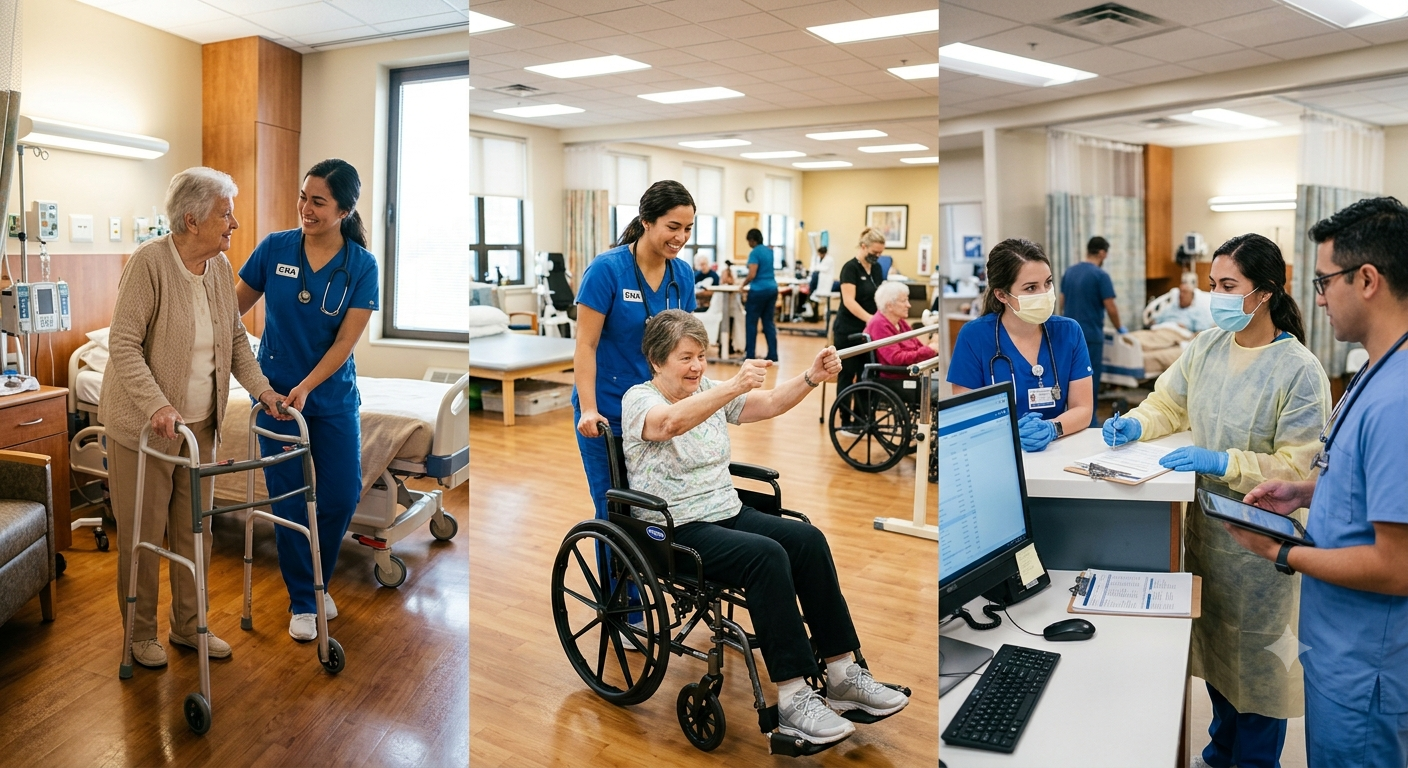
With rising demand in the healthcare industry and, at the same time, shortages, burnout, and more, healthcare institutions are struggling to manage staff. Hospitals, clinics, long-term care facilities, and speciality healthcare organisations must balance patient needs, regulatory requirements, budget constraints, and employee well-being, all while ensuring that every shift is adequately staffed. In recent years, however, staffing challenges have become even more complex. Increased patient demand, workforce shortages, employee burnout, and evolving healthcare delivery models have forced healthcare leaders to rethink traditional staffing strategies. The solution for many organizations? Building a more flexible workforce through per diem and travel nursing. Rather than relying solely on permanent hires, healthcare leaders are increasingly using a combination of full-time employees, per diem nurses, and travel nurses to create agile staffing models that support continuity of care and operational efficiency. For healthcare employers, this approach provides greater workforce flexibility and resilience. For nurses, it creates exciting opportunities for career growth, financial advancement, and work-life balance. Understanding how these staffing models work and how the right staffing partner can support them has become essential in today’s healthcare landscape. 

The Growing Reality of Healthcare Staffing Challenges

Across the United States, healthcare organizations face significant workforce pressures. Nursing shortages continue to affect facilities of all sizes. Employee burnout remains a major concern. Patient volumes fluctuate throughout the year, while specialized departments often struggle to recruit qualified professionals quickly enough.

Healthcare leaders must address questions such as:

  • How do we maintain safe staffing levels during sudden patient surges?
  • How can we cover vacations, leaves of absence, and unexpected resignations?
  • How do we reduce burnout among existing staff?
  • How can we maintain quality patient care without overextending our workforce?

Traditional hiring methods alone are often not enough. This is why many organizations are adopting flexible staffing strategies that include both per diem and travel nursing professionals.

Why Workforce Flexibility Matters More Than Ever

The healthcare environment changes rapidly. Patient census can fluctuate unexpectedly. Seasonal illnesses can create sudden staffing demands. Specialised units may require additional support on short notice. Organisations that rely entirely on permanent staff are often vulnerable when workforce disruptions occur. Flexible staffing allows healthcare leaders to respond quickly without compromising patient care quality. Per diem nurses and travel nurses provide organizations with access to experienced professionals who can step in when additional support is needed. Rather than viewing these professionals as temporary solutions, many healthcare organizations now see them as essential components of long-term workforce planning.

How Does Per Diem Nursing Work?

One of the most common questions among both employers and nurses is: How does per diem nursing work? The term “per diem” means “by the day.” Per diem nurses typically work on an as-needed basis rather than maintaining a fixed full-time schedule. Healthcare facilities use per diem professionals to fill scheduling gaps, cover employee absences, support peak patient volumes, and address short-term staffing needs. For employers, per diem nurses offer flexibility without requiring long-term employment commitments. For nurses, per diem opportunities provide greater control over scheduling and career choices. Many healthcare professionals choose per diem work because it allows them to:

  • Select preferred shifts
  • Explore different healthcare environments
  • Supplement existing income
  • Achieve better work-life balance
  • Gain diverse clinical experiences

This flexibility has made per diem nursing increasingly attractive in today’s workforce.

The Strategic Value of Travel Nurses

Travel nursing serves a slightly different purpose. Travel nurses typically accept temporary assignments that may last several weeks or months at healthcare facilities experiencing staffing shortages. These professionals often bring specialised skills and extensive experience from diverse healthcare settings. Healthcare leaders frequently use travel nurses to:

  • Address long-term vacancies
  • Support expansion initiatives
  • Manage seasonal demand increases
  • Maintain staffing during recruitment efforts
  • Provide specialized expertise in high-demand areas

Travel nurses help organizations sustain operations without placing excessive strain on permanent staff. Their ability to quickly integrate into new environments makes them valuable assets during periods of workforce instability.

Per Diem vs Travel Nursing: Understanding the Difference

Healthcare organizations often evaluate per diem vs travel nursing when developing staffing strategies. While both options provide workforce flexibility, they serve different purposes. Per diem nurses typically work local assignments on an as-needed basis. They help facilities manage daily scheduling fluctuations and short-term staffing gaps. Travel nurses generally accept longer-term assignments and may relocate temporarily to meet workforce needs. From an employer’s perspective, per diem staffing offers immediate flexibility, while travel nursing provides more sustained support during prolonged shortages.

From a nurse’s perspective, the choice often depends on personal goals, lifestyle preferences, and career aspirations. Some professionals prefer the scheduling flexibility of per diem opportunities, while others enjoy the adventure, professional development, and financial benefits often associated with travel nursing. The good news is that both pathways offer meaningful opportunities for career growth.

Why Healthcare Leaders Use Both Models

The most successful healthcare organizations rarely view staffing as an either-or decision. Instead, they build comprehensive workforce strategies that incorporate permanent employees, per diem professionals, and travel nurses. This blended approach offers several advantages.

Reducing Employee Burnout

Staffing shortages often force permanent employees to work additional shifts, extended hours, and overtime. Over time, this can lead to exhaustion, reduced job satisfaction, and increased turnover. Per diem and travel nurses help distribute workloads more evenly, reducing pressure on core staff members. When employees feel supported, retention improves, and workplace morale strengthens.

Maintaining Continuity of Care

Patient care quality depends on adequate staffing levels. When positions remain unfilled, healthcare organizations may struggle to maintain consistent service delivery. Flexible staffing solutions help ensure patients continue receiving timely, high-quality care even during workforce challenges.

Improving Operational Agility

Healthcare organizations must be prepared for unexpected events.

Whether facing seasonal patient surges, public health emergencies, or workforce transitions, leaders need staffing solutions that can adapt quickly. Per diem and travel nurses provide the flexibility needed to respond effectively.

Why Workforce Planning Is Becoming a Competitive Advantage

Healthcare organizations that consistently maintain staffing stability often share one common characteristic: proactive workforce planning.

Rather than waiting for shortages to occur, they build staffing strategies designed to adapt to changing conditions.

This includes:

  • Developing talent pipelines
  • Leveraging flexible staffing resources
  • Supporting employee retention
  • Utilizing per diem and travel nursing solutions strategically
  • Partnering with experienced staffing experts

Organizations that invest in workforce planning today are better positioned to navigate future challenges.

Final Thoughts

Healthcare staffing challenges are unlikely to disappear anytime soon. However, healthcare leaders are discovering that flexible workforce strategies can help them navigate uncertainty while maintaining exceptional patient care. Per diem nurses and travel nurses provide organizations with valuable staffing options that improve agility, reduce burnout, and support continuity of care. For nurses, these opportunities offer flexibility, career growth, diverse experiences, and greater control over professional journeys. Understanding the differences between per diem vs travel nursing, learning how per diem nursing works, and partnering with trusted travel nurse companies can help both employers and healthcare professionals make informed decisions. With the right staffing strategy and the right partner in Empower Care, healthcare organisations can build stronger teams, and nurses can build more rewarding careers in an ever-changing healthcare landscape.

Beyond Credentials: What Top Performing Surgery Nurses Bring to Surgical Teams

surgery nurse

As a healthcare institution or clinic looking to hire employees, especially surgery nurses, you should review credentials, certificates, and qualifications. Certifications, degrees, clinical training, and years of experience are all essential when hiring a surgery nurse. Yet ask any surgeon, operating room manager, or healthcare administrator what truly separates an average surgical team from an exceptional one, and the answer often goes beyond qualifications listed on a resume. The most successful surgical teams are built around nurses who bring much more than technical expertise to the table. They contribute leadership, adaptability, communication skills, emotional intelligence, and a commitment to excellence that positively impacts patient outcomes and team performance. For healthcare employers, understanding what separates an average candidate from a top-performing surgery nurse can lead to stronger hiring decisions and better patient care. For nurses seeking career advancement, recognizing these qualities can help position them for greater opportunities and long-term success. Whether healthcare organizations are seeking exceptional talent or nurses are seeking the right career opportunities, finding the right fit is what truly drives success. 

Why Surgery Nurses Are the Backbone of Surgical Success 

When we think about the surgery room or any procedures, the first thing that comes to mind is that the surgeon is the real hero. They are the real deal, behind every operation, whether minor or major. But we often forget about the seamless teamwork that goes into ensuring that the surgeon is well supported in this task. From preparing operating rooms and verifying equipment to monitoring patients and supporting surgeons during complex procedures, a surgery nurse serves as a central point of coordination in the surgical environment. However, technical competency alone does not guarantee success. The most effective surgery nurses possess qualities that cannot always be measured through certifications or years of experience. These professionals help create safer procedures, stronger team dynamics, and better patient experiences. 

So, what we are looking for in the surgical nurses, when any healthcare institutions are hiring them, is here: 

The Ability to Anticipate Needs Before They Arise

One of the most valuable traits of an exceptional surgery nurse is anticipation. Experienced surgical nurses often develop the ability to recognize what surgeons and team members need before requests are made. This proactive mindset keeps procedures running smoothly and minimizes disruptions. Rather than simply reacting to instructions, top-performing nurses actively monitor the surgical environment and prepare for potential challenges.

For employers, this translates into:

  • Improved operating room efficiency
  • Reduced procedure delays
  • Better patient experiences
  • Enhanced teamwork
  • Fewer preventable errors

For nurses, developing this skill can significantly increase professional value and create opportunities for leadership roles within surgical departments. 

Exceptional Communication Under Pressure

Operating rooms can become highly stressful environments. Emergencies, unexpected complications, and complex procedures require clear and concise communication among all team members. A top surgery nurse understands that effective communication goes beyond speaking clearly. It involves:

  • Active listening
  • Accurate information sharing
  • Professional collaboration
  • Maintaining calm during crises
  • Supporting interdisciplinary teamwork

Poor communication remains one of the leading contributors to medical errors. Surgical nurses who excel in this area become invaluable assets to healthcare organizations. From an employee’s perspective, communication skills often influence career advancement as much as technical competence. Nurses who communicate effectively tend to build stronger relationships with surgeons, administrators, and colleagues.

Adaptability in a Rapidly Changing Healthcare Environment

Healthcare continues to evolve at an unprecedented pace. New technologies, surgical techniques, regulatory requirements, and patient expectations require nurses to adapt continuously. Top-performing surgery nurses embrace change rather than resist it. They quickly learn new systems, integrate updated protocols, and remain flexible when staffing shortages or unexpected situations arise. This adaptability has become especially important as healthcare facilities increasingly rely on temporary staffing solutions and travel professionals to fill workforce gaps. Many hospitals partner with a temp agency in Worcester MA, that healthcare organizations trust to provide qualified nursing professionals who can seamlessly integrate into existing teams and contribute immediately. For nurses, adaptability creates access to a wider range of career opportunities, including temporary assignments, contract positions, and travel nursing roles.

Emotional Intelligence Improves Patient Care

While surgery nurses spend much of their time in operating rooms, patient interaction remains a vital component of their responsibilities. Patients facing surgery often experience fear, anxiety, and uncertainty. A compassionate nurse can significantly influence how patients perceive their surgical experience.

Top-performing surgery nurses possess high emotional intelligence, allowing them to:

  • Recognize patient concerns
  • Build trust quickly
  • Provide reassurance
  • Support family members
  • Manage stressful interactions professionally

Healthcare employers increasingly recognise that emotional intelligence directly contributes to patient satisfaction scores and the overall quality of care. From a nurse’s perspective, emotional intelligence strengthens professional relationships and fosters a more positive workplace culture.

Leadership Without a Management Title

Leadership is not limited to nurse managers or department directors.

Many of the most influential individuals in surgical departments are nurses who lead by example. Top-performing surgery nurses often become informal leaders because they:

  • Mentor new staff members
  • Support team development
  • Promote accountability
  • Encourage collaboration
  • Help solve operational challenges

These nurses elevate the performance of everyone around them. Healthcare organisations that identify and retain these individuals often experience improved staff morale, lower turnover, and better patient outcomes. For nurses aspiring to advance their careers, demonstrating leadership abilities can open doors to supervisory and management opportunities.

Reliability Builds Trust Across Surgical Teams

Trust is one of the most valuable assets in healthcare. Surgeons, anaesthesiologists, and fellow nurses depend on each other to perform consistently and accurately. Top-performing surgery nurses earn trust through reliability. They arrive prepared, follow protocols, maintain professionalism, and consistently deliver high-quality care. When surgical teams know they can rely on a particular nurse, overall team performance improves. For employers, reliability often becomes one of the strongest predictors of long-term success and retention.

Problem-Solving Skills Make a Significant Difference

No surgical procedure is entirely predictable. Unexpected situations can arise at any moment, requiring quick thinking and effective problem-solving. Exceptional surgery nurses approach challenges with confidence and composure. Instead of focusing on obstacles, they focus on solutions. Whether managing equipment issues, adapting to staffing changes, or responding to patient complications, their ability to think critically helps maintain positive outcomes. Healthcare organizations increasingly seek candidates who demonstrate both clinical expertise and practical problem-solving abilities.

Supporting a Positive Workplace Culture

Culture has become a major factor in healthcare recruitment and retention. Facilities that foster collaboration, respect, and professional development are more likely to attract and retain top talent. Top-performing surgery nurses contribute significantly to workplace culture. They encourage teamwork, support colleagues, and help create environments where everyone can perform at their best. For employers facing ongoing staffing shortages, maintaining a positive culture can be a powerful competitive advantage. For employees, working within a supportive culture improves job satisfaction and reduces burnout.

What Employers Should Look for When Hiring Surgery Nurses

When evaluating candidates, employers should look beyond certifications and experience alone. Consider qualities such as:

  • Communication skills
  • Adaptability
  • Emotional intelligence
  • Leadership potential
  • Teamwork abilities
  • Problem-solving capabilities
  • Professionalism
  • Commitment to continuous learning

Behavioural interviews, peer evaluations, and situational assessments can often reveal these traits more effectively than resumes alone. Organisations that prioritise these qualities during hiring often build stronger, more resilient surgical teams.

What Surgery Nurses Should Focus on for Career Growth

For nurses seeking advancement, technical competence remains essential, but professional growth often depends on developing additional skills. Top-performing surgery nurses invest in:

  • Leadership development
  • Communication training
  • Specialty certifications
  • Continuing education
  • Mentorship opportunities
  • Cross-functional collaboration

Healthcare employers increasingly seek well-rounded professionals who can contribute beyond their clinical responsibilities. By focusing on these areas, nurses can position themselves for more rewarding career opportunities and greater long-term success.

Final Thought – 

In today’s healthcare landscape, credentials remain important, but they are only one part of the equation. The most successful surgery nurses bring a unique combination of technical expertise, communication skills, emotional intelligence, leadership, adaptability, and professionalism to every surgical team they join. For healthcare employers, recognizing these qualities can lead to stronger hiring decisions, improved patient outcomes, and more cohesive surgical departments. For nurses, developing these skills can unlock new opportunities, career advancement, and long-term professional fulfilment. As healthcare continues to evolve, organizations and professionals alike need staffing partners who understand that true success goes beyond qualifications on paper. Empower Care helps bridge that gap by connecting exceptional healthcare talent with organizations that value excellence, ensuring both employers and nurses have the support they need to thrive in an increasingly complex healthcare environment.

Non-Clinical Healthcare Staffing in 2026: The Complete Guide for Healthcare Facilities

Non-Clinical Healthcare Staffing

Non-Clinical Healthcare Staffing in 2026: The Complete Guide for Facilities Looking Beyond the Bedside

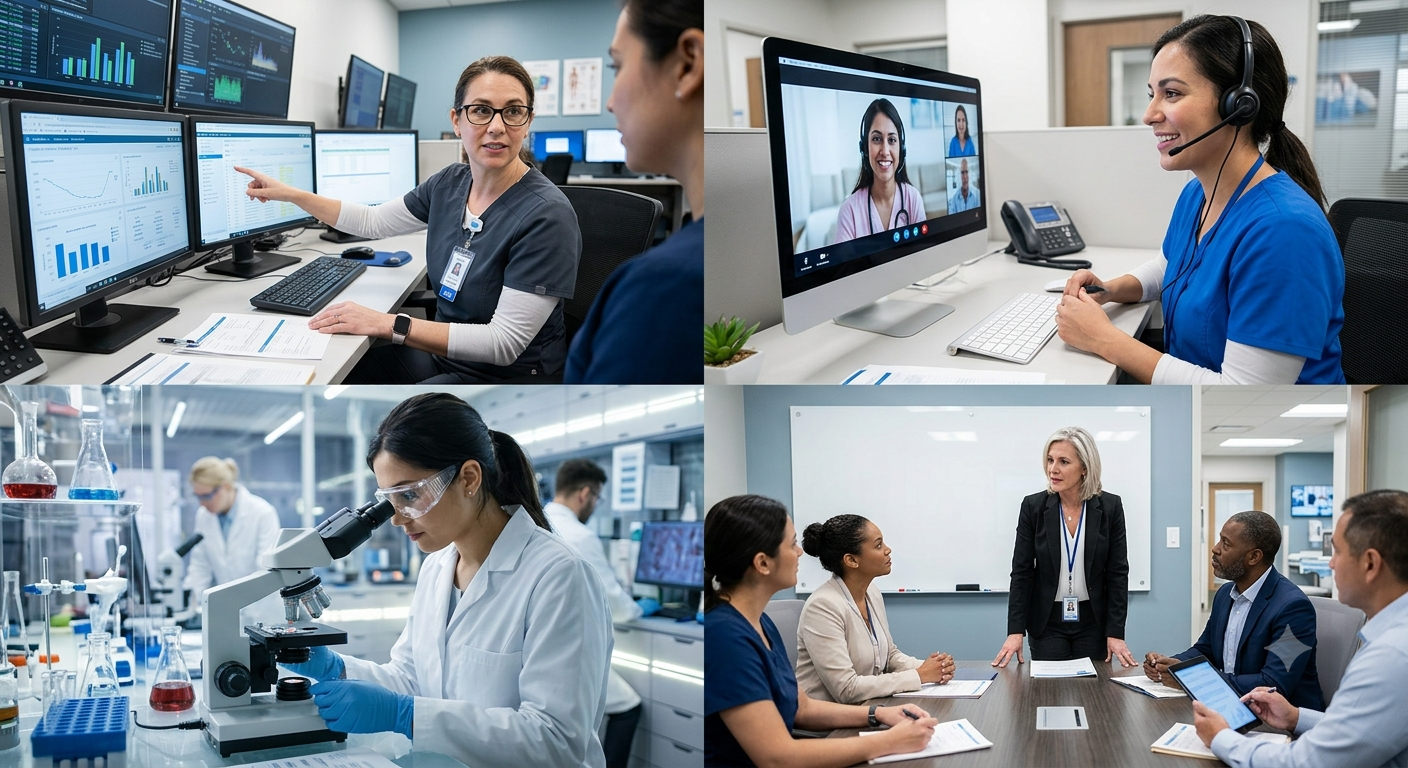
Hospitals have multiple wings to cater to patients’ different requirements. To support the team of doctors, there are nurses and many other specialist staff members who are part of the daily procedures. But what about the other departments, like finance/billing, reception, administration, and clerical staff? They do play a crucial role in the healthcare industry. Behind every successful healthcare facility is an entire ecosystem of professionals managing operations, administration, technology, compliance, billing, patient coordination, scheduling, human resources, customer support, and countless other essential responsibilities. As healthcare systems become more advanced and patient expectations continue to rise, demand for skilled non-clinical professionals is growing at a record pace. This shift has transformed non-clinical healthcare staffing from a support function into a strategic priority. Facilities across the United States are no longer focused only on bedside hiring. They are building complete healthcare teams that combine clinical excellence with operational efficiency. And that is exactly why healthcare employers are increasingly turning to experienced non-clinical healthcare staffing agencies to quickly and effectively find the right talent. At the same time, professionals seeking career growth are discovering that healthcare offers rewarding opportunities beyond traditional clinical roles. From healthcare administration to patient advocacy, the non-clinical side of healthcare has become one of the fastest-growing career sectors in America. 

What Is Non-Clinical Healthcare Staffing?

Non-clinical healthcare staffing refers to hiring professionals who support healthcare operations without directly providing patient care. These roles are essential to keeping healthcare organizations running smoothly. Without them, even the best clinical teams would struggle with scheduling, communication, compliance, billing, and operational coordination. Examples of non-clinical healthcare roles include:

  • Medical billing specialists
  • Healthcare administrators
  • Patient coordinators
  • HR professionals
  • Medical receptionists
  • Insurance verification specialists
  • Healthcare recruiters
  • Compliance officers
  • IT support professionals
  • Medical coders
  • Case management coordinators
  • Healthcare customer service representatives

In many healthcare facilities, these professionals serve as the bridge between patients, providers, insurance companies, and administrators. Healthcare today is not just about treatment. It is also about patient experience, operational efficiency, technology integration, and regulatory compliance. Recognizing that strong support teams make all of this possible can foster a sense of value and appreciation among healthcare professionals, encouraging them to feel more engaged and motivated.

Why Non-Clinical Healthcare Staffing Is Booming in 2026

Several major trends are driving the rapid growth of non-clinical healthcare staffing in 2026.

The Expansion of Telehealth and Digital Healthcare

Healthcare is becoming increasingly digital. Telehealth platforms, remote patient monitoring, electronic health records, and AI-powered systems all require skilled support staff to manage operations and patient communication. Healthcare organizations now need employees who understand both healthcare workflows and modern technology systems. A hospital may have world-class physicians, but if appointment systems crash or insurance verification slows, patient satisfaction takes a hit faster than a hospital coffee machine during night-shift chaos.

Increased Administrative Complexity

Healthcare regulations continue to evolve every year. Facilities must manage compliance requirements, insurance documentation, cybersecurity standards, patient privacy regulations, and accreditation processes. This growing complexity has created a strong demand for experienced non-clinical professionals who can navigate healthcare operations efficiently.

Workforce Shortages Across the Industry

Staffing shortages remain one of the healthcare industry’s biggest challenges. While much attention focuses on nurses and physicians, shortages also exist in administrative and support positions.

When non-clinical positions remain vacant, clinical staff often absorb additional administrative responsibilities, leading to burnout and decreased efficiency. Healthcare employers now recognize that investing in strong support teams improves both employee retention and patient care outcomes. 

The Rise of Specialized Healthcare Roles

Healthcare organizations are becoming more specialized. Facilities now require experts in healthcare analytics, compliance management, patient engagement, and healthcare technology systems. Generic hiring approaches no longer work. Employers increasingly rely on specialised non-clinical healthcare staffing agencies to identify candidates with niche healthcare experience, thereby building confidence in their staffing strategies and reassuring facility leaders of successful hiring outcomes. 

The Biggest Hiring Challenges Facilities Face in 2026

Even though demand for non-clinical healthcare professionals continues to grow, finding qualified candidates remains challenging.

Competition for Skilled Talent

Healthcare organizations are competing aggressively for experienced administrative professionals. Skilled candidates often receive multiple job offers, especially those with healthcare-specific experience.

Facilities that rely on outdated hiring methods frequently lose candidates to faster-moving employers.

High Turnover Rates

Burnout is not limited to clinical staff. Administrative healthcare workers also face stress related to patient demands, compliance requirements, staffing shortages, and workflow pressures. Healthcare organizations must now prioritize workplace culture, flexibility, and career development to improve retention.

Rapidly Changing Technology

Healthcare technology evolves constantly. Employers need candidates who can adapt quickly to new systems, digital workflows, and data management tools. This demand for adaptable professionals can make healthcare leaders feel more confident about overcoming technological challenges and staying competitive.

The Need for Culture Fit

It is increasingly important because healthcare is people-driven. Even in non-clinical roles, communication, empathy, professionalism, and teamwork are vital. Hiring managers should incorporate behavioural assessments and cultural alignment questions into their hiring process to select candidates who will thrive within their organizational environment. Healthcare is people-driven. Even in non-clinical roles, communication, empathy, professionalism, and teamwork matter immensely. Hiring managers are no longer focused only on resumes. They want candidates who align with organizational culture and patient care values. That is one reason why many facilities now partner with experienced non-clinical healthcare staffing agencies that understand the unique demands of healthcare hiring.

The Relationship Between Non-Clinical Staffing and Direct Patient Care

Some healthcare leaders mistakenly view non-clinical staffing as secondary to clinical hiring. In reality, strong support teams directly influence the quality of patient care. This is where the connection between direct care staffing and non-clinical staffing becomes critical.

When administrative workflows operate efficiently:

  • Patients experience shorter wait times
  • Billing errors decrease
  • Scheduling becomes more accurate
  • Clinical staff spend more time with patients
  • Communication improves across departments
  • Employee burnout decreases

In other words, excellent patient care starts long before a provider enters the room. Healthcare facilities that understand this connection are building more balanced staffing models in 2026, combining effective direct care staffing strategies with strong non-clinical operational support, which can inspire confidence in their long-term success.

What Candidates Want From Healthcare Employers in 2026

The healthcare workforce has changed dramatically in recent years. Candidates now evaluate employers differently than they did in the past. Healthcare professionals increasingly look for:

  • Career advancement opportunities
  • Flexible scheduling options
  • Positive workplace culture
  • Competitive compensation
  • Remote or hybrid opportunities
  • Professional development support
  • Work-life balance
  • Strong leadership communication

Facilities that fail to adapt may struggle to attract top-tier talent. This is another area where experienced non-clinical healthcare staffing agencies provide value. They help employers understand market expectations and position opportunities more competitively. 

The future of healthcare staffing is integrated, combining clinical and non-clinical teams to create more resilient and efficient healthcare environments. This approach can inspire confidence and enthusiasm about long-term operational success.

The healthcare facilities that thrive in 2026 are those that take a holistic approach to staffing. Strong healthcare systems understand that exceptional patient outcomes require more than bedside care alone. They require operational excellence, administrative efficiency, technology expertise, and collaborative teamwork across every department. That is why non-clinical healthcare staffing is no longer considered optional support infrastructure. It is a core component of healthcare success. Organizations that invest in both clinical and non-clinical workforce strategies position themselves for stronger employee retention, better patient experiences, improved operational performance, and long-term growth. As the healthcare industry continues to evolve, the role of non-clinical healthcare staffing agencies will become even more important in helping organizations attract qualified professionals who can strengthen operations and improve patient experiences. At the same time, healthcare professionals are discovering exciting opportunities beyond traditional bedside roles, creating new career pathways throughout the industry. Whether your organization needs support with direct care staffing, administrative recruitment, or long-term workforce planning, partnering with the right staffing agency can make all the difference. And for healthcare employers and professionals seeking a trusted partner in today’s rapidly changing healthcare landscape, Empower Care continues to help connect the right people with the right opportunities, because in healthcare, every role matters, even the ones patients may never see.

Surgery Nurse vs Emergency Room Nurse: Which Speciality Is Right for Your Healthcare Career?

Compare surgery nurse vs emergency room nurse

We go to hospitals or clinics to get the best possible treatment and care, but when we think about treatments, we only search for doctors and get references on which doctor is the best in that department. But have we wondered about the support staff who have made patient-centred care possible? Have we wondered which nurses have shown warmth and compassion to the patients and their families in their care? Nurses are one of the main pillars of the healthcare industry. Once doctors prescribe treatment or conduct surgery, it is the nurses who look after the patients. As an aspiring young individual, if you are really passionate about a career in healthcare as a nurse and have not decided which specialisation is right for you, we are bringing this blog to you to help you dig deeper and decide whether Surgery or Emergency Room Nursing is the way forward. 

What Does a Surgery Nurse Do?

A surgery nurse plays a critical role before, during, and after surgical procedures. These nurses work closely with surgeons, anaesthesiologists, surgical technologists, and other healthcare professionals to ensure patients receive safe and efficient care throughout the surgical process. Surgery nurses are often referred to as perioperative nurses because they care for patients throughout the entire perioperative timeline, including preoperative, intraoperative, and postoperative stages.

Key Responsibilities of a Surgery Nurse

A surgery nurse may:

  • Prepare patients for procedures
  • Review medical histories and surgical plans
  • Assist surgeons during operations
  • Monitor patient vital signs
  • Maintain sterile operating environments
  • Educate patients and families after surgery
  • Manage postoperative recovery care

Attention to detail is essential in this field. In an operating room, precision matters. One missed step can affect patient outcomes, which is why surgery nurses are known for being highly organised, calm, and technically skilled.

Where Surgery Nurses Work

Most surgery nurses work in:

  • Hospitals
  • Outpatient surgical centres
  • Specialty clinics
  • Trauma centres
  • Ambulatory surgery centres

The schedule can vary depending on the employer. Some surgery nurses work traditional daytime shifts because many surgeries are scheduled in advance. Others may rotate on-call hours for emergency procedures. For nurses who appreciate structure, teamwork, and a controlled clinical environment, surgical nursing can feel like the perfect fit.

What Does an Emergency Room Nurse Do?

An emergency room nurse, often called an ER nurse, works on the front lines of patient care. ER nurses are responsible for assessing, stabilising, and treating patients experiencing acute illnesses, injuries, or life-threatening emergencies. No two shifts are ever the same in the emergency department. One moment, an ER nurse may treat a patient with flu symptoms, and the next, they may assist in a major trauma response following a car accident. That unpredictability is exactly what draws many nurses to emergency medicine.

Key Responsibilities of an Emergency Room Nurse

An emergency room nurse typically:

  • Performs rapid patient assessments
  • Triages incoming patients based on severity
  • Administers medications and treatments
  • Assists physicians during emergencies
  • Monitors critically ill patients
  • Responds to trauma situations
  • Supports patients and families during crises

An ER nurse must think quickly, communicate effectively, and stay calm under pressure. The emergency department moves fast, and priorities can shift in seconds.

Where ER Nurses Work

Emergency room nurses commonly work in:

  • Hospital emergency departments
  • Trauma centres
  • Urgent care facilities
  • Disaster response units
  • Air medical transport teams

Unlike surgical nursing, ER nursing often involves rotating schedules that include nights, weekends, holidays, and long shifts. Emergencies do not follow business hours, and neither do emergency departments. For nurses who thrive in high-energy environments and enjoy problem-solving in real time, emergency nursing can be deeply rewarding.

Surgery Nurse vs Emergency Room Nurse: 

Although both specialties involve patient care and clinical expertise, understanding their work environments and routines can help you feel more confident in choosing the right path for your personality and stress tolerance.

Work Environment

A surgery nurse typically works in a highly controlled setting with planned procedures and carefully coordinated teams. The operating room relies on precision, timing, and preparation. An emergency room nurse works in a much more unpredictable environment, which can help you feel confident about your ability to handle high-pressure situations if you thrive in dynamic settings.

In simple terms:

  • Surgical nursing is structured and process-driven
  • ER nursing is dynamic and reactive

One runs like a carefully rehearsed orchestra. The other feels more like controlled chaos with coffee as a survival strategy.

Patient Interaction

Surgery nurses often spend limited but meaningful time with patients. Much of their focus is on preparing for procedures and ensuring surgical safety. ER nurses often interact with patients in stressful, emotional situations. They may treat people experiencing pain, fear, trauma, or panic. If you enjoy building quick trust and communicating during high-pressure moments, emergency nursing may suit you well. If you prefer detailed procedural care and technical precision, surgical nursing could be a better match.

Skills Needed for Each Speciality

Skills That Make a Great Surgery Nurse

A successful surgery nurse usually has:

  • Strong organisational skills
  • Excellent attention to detail
  • Technical expertise
  • Ability to remain calm during procedures
  • Team-oriented communication
  • Knowledge of sterile techniques

Surgical nursing rewards consistency and precision. Small details matter every single day.

Skills That Make a Great ER Nurse

A successful emergency room nurse often excels in:

  • Fast decision-making
  • Multitasking
  • Adaptability
  • Emotional resilience
  • Crisis management
  • Strong communication under pressure

ER nurses must process information quickly while remaining compassionate and focused. Both specialties require strong clinical knowledge, but the pace and priorities are very different.

Education and Certifications

Both surgery nurses and emergency room nurses begin their careers by becoming registered nurses through an ADN or BSN program and passing the NCLEX-RN examination. However, obtaining additional certifications can empower you, boost your confidence, and motivate you to advance your career in each field.

Common Certifications for Surgery Nurses

  • CNOR (Certified Nurse Operating Room)
  • ACLS (Advanced Cardiovascular Life Support)
  • PALS (Paediatric Advanced Life Support)

Common Certifications for ER Nurses

  • CEN (Certified Emergency Nurse)
  • TNCC (Trauma Nursing Core Course)
  • ACLS
  • PALS

Specialty certifications can improve credibility, increase earning potential, and help nurses stand out in competitive hiring markets.

Salary and Career Growth

Both specialties offer strong earning potential and long-term career stability. A surgery nurse may benefit from predictable schedules and opportunities in outpatient surgical centres, which continue to grow as more procedures shift away from traditional hospital settings.

An emergency room nurse may have access to higher-paying opportunities in trauma centres, travel nursing, and critical care environments, inspiring you with potential for growth and impact in your career.

Which Speciality Is More Stressful?

Truthfully, both careers come with stress, just different kinds. A surgery nurse faces pressure related to precision, timing, and patient safety during procedures. There is little room for error in the operating room. An emergency room nurse deals with emotional intensity, sudden emergencies, and rapid patient turnover. The stress often comes from unpredictability and critical situations. The better question is not “Which speciality is harder?” but rather “Which type of pressure fits your personality best?” Some nurses prefer organised intensity. Others thrive in fast-moving unpredictability. Neither choice is wrong; it is all about personal preference. 

Which Nursing Speciality Is Right for You?

Well, it is a personal choice and ability to handle the stressful situation. The challenges are almost the same in both scenarios, but which one you want to specialise in is your choice. Both the surgery nurse and emergency room nurse career paths offer meaningful work, strong career growth, and the opportunity to make a real impact on patients’ lives. If you love structure, precision, and procedural care, surgical nursing may be your ideal fit. If you thrive in fast-paced environments and enjoy the excitement of emergency medicine, becoming an ER nurse could be the perfect career path for you. At the end of the day, nursing is not just about choosing a specialty. It is about finding the environment where your skills, personality, and passion align. And when you are ready to take the next step in your healthcare journey, Empower Care can help you find the opportunity that moves your career forward, because the right role does more than pay the bills. It helps you grow, lead, and genuinely love the work you do.

Worcester Staffing Agencies: Complete Guide to Hiring Talent and Finding Jobs in Worcester MA

Finding the right talent or the right job opportunity in today’s competitive market requires more than just searching online listings. It requires structured support systems that connect employers with qualified candidates efficiently. Staffing companies play a key role in bridging this gap by offering recruitment solutions tailored to local industries, healthcare systems, and business needs.

How worcester staffing agencies Support Local Workforce Needs

In every growing city, workforce demand fluctuates across industries such as healthcare, manufacturing, administration, and logistics. This is where worcester staffing agencies become essential. worcester staffing agencies help businesses find qualified candidates quickly while also assisting job seekers in identifying roles that match their skills and career goals.

These agencies streamline the hiring process by screening candidates, verifying qualifications, and matching them with suitable employers. This reduces hiring time and ensures better workforce quality for organizations.

Key functions include:

  • Screening and shortlisting candidates based on job requirements
  • Matching skilled workers with local employers
  • Supporting temporary, contract, and permanent placements
  • Reducing hiring time for businesses
  • Helping job seekers access hidden job markets

By improving efficiency in recruitment, staffing agencies strengthen the overall job market and support economic growth in the region.

Importance of Local Workforce Connections in Worcester

Local hiring is essential for building strong and sustainable communities. Employers often prefer candidates who understand regional work culture, commute requirements, and industry expectations. Staffing agencies help create this connection by maintaining strong local networks.

They also assist businesses in managing seasonal hiring needs and workforce shortages without long term commitments. This flexibility is especially valuable for industries that experience rapid demand changes.

A well structured staffing system ensures:

  • Faster access to qualified local talent
  • Reduced recruitment costs for businesses
  • Better job matching based on skills and experience
  • Improved employee retention rates
  • Stronger alignment between employers and candidates

How Recruitment Support Improves Job Opportunities

Job seekers often struggle with finding roles that match their qualifications or career goals. Staffing agencies help bridge this gap by offering personalized job matching and career guidance.

Instead of applying blindly to multiple companies, candidates are connected directly with employers who are actively hiring. This increases the chances of successful placement and reduces job search stress.

Support services typically include:

  • Resume evaluation and improvement
  • Interview preparation and guidance
  • Skill matching with available roles
  • Access to temporary and permanent positions
  • Career counseling and job readiness support

This structured approach makes the job search process more efficient and focused.

Role of staffing agencies worcester ma in Employment Growth

The local job market in Worcester is diverse, covering healthcare, education, manufacturing, retail, and administrative services. In this environment, staffing agencies worcester ma play an important role in connecting employers with qualified professionals. staffing agencies worcester ma help businesses maintain workforce stability while also giving job seekers access to a wide range of opportunities across different industries.

These agencies support both short term and long term employment needs, making them a flexible solution for evolving workforce demands.

Their impact includes:

  • Helping businesses fill urgent job vacancies
  • Supporting workforce planning and scalability
  • Providing access to skilled professionals across industries
  • Improving hiring efficiency and reducing turnover
  • Enhancing local employment opportunities

This creates a balanced job market where both employers and candidates benefit.

Challenges in the Modern Hiring Landscape

Despite strong demand for workers, both employers and job seekers face challenges in the hiring process. Businesses often struggle to find qualified candidates quickly, while job seekers may find it difficult to identify reliable opportunities.

Common challenges include:

  • Skill gaps in specialized industries
  • High competition for quality candidates
  • Time consuming recruitment processes
  • Limited visibility of job openings
  • Difficulty in matching long term career goals

Staffing support helps reduce these challenges by simplifying the hiring process and improving job matching accuracy.

Benefits of Working with Professional Staffing Support

Working with staffing agencies provides advantages for both employers and job seekers. Businesses gain access to pre screened candidates, while individuals receive structured support in finding suitable roles.

For employers, benefits include:

  • Faster hiring cycles
  • Reduced recruitment costs
  • Access to pre qualified candidates
  • Flexible workforce management
  • Improved employee retention

For job seekers, benefits include:

  • Access to multiple job opportunities
  • Professional resume and interview support
  • Faster placement in suitable roles
  • Exposure to reputable employers
  • Career growth guidance

This dual benefit system makes staffing agencies an essential part of the employment ecosystem.

Building Strong Career Pathways Through Job Placement Support

Career growth often depends on finding the right opportunity at the right time. Staffing agencies help individuals explore roles that match their skills while also opening doors to new industries and experiences.

In many cases, job agencies in worcester ma provide structured support for candidates looking to build stable and long term careers. job agencies in worcester ma connect job seekers with employers across different sectors, helping them gain valuable experience and improve career stability.

This structured approach helps:

  • Improve long term career planning
  • Increase access to diverse job roles
  • Support skill development through new opportunities
  • Enhance job security and stability
  • Build stronger employer candidate relationships

By focusing on both immediate placement and long term growth, staffing support contributes to stronger career outcomes.

Strengthening the Local Workforce Ecosystem

A strong workforce ecosystem depends on collaboration between employers, job seekers, and staffing professionals. When all three work together effectively, it creates a more stable and productive job market.

Staffing support helps reduce unemployment gaps, improve hiring efficiency, and ensure that businesses have access to the talent they need to grow. At the same time, it empowers individuals to find meaningful work that aligns with their skills and goals.

This balance strengthens the overall economy and creates long term workforce stability in the region.


FAQs

1. What do Worcester staffing agencies do?

They connect employers with qualified candidates, helping businesses fill job vacancies and assisting job seekers in finding suitable employment opportunities.

2. Why should companies use staffing agencies in Worcester MA?

They help reduce hiring time, provide access to pre screened candidates, and improve workforce flexibility for different business needs.

3. How do job agencies in Worcester MA help job seekers?

They offer career guidance, resume support, interview preparation, and access to multiple job opportunities across different industries.

How Behavioral Health Staffing Agencies Strengthen Patient Care

Healthcare systems are experiencing a growing demand for mental and behavioral health services, driven by increased awareness, diagnosis rates, and long term care needs. Hospitals, clinics, and community care centers must ensure that qualified professionals are always available to support patients dealing with psychological, emotional, and behavioral challenges. Without proper workforce planning, gaps in care can directly affect patient safety and recovery outcomes.

Modern behavioral health care is not just about treatment, it is about continuous support, early intervention, and coordinated care delivery across multiple professionals working as a team.


The Role of staffing agencies for mental health in Modern Healthcare Systems

In today’s healthcare environment, staffing agencies for mental health play a crucial role in maintaining access to trained professionals who can support patients during both routine care and crisis situations. staffing agencies for mental health help healthcare facilities quickly fill essential roles such as therapists, psychiatric nurses, counselors, and behavioral health technicians.

These agencies ensure that care delivery does not stop due to workforce shortages or sudden increases in patient demand. Their support helps healthcare systems remain stable, responsive, and patient focused.

Key contributions include:

  • Providing qualified mental health professionals on demand
  • Supporting emergency psychiatric and crisis care services
  • Reducing gaps in inpatient and outpatient behavioral care
  • Helping facilities manage seasonal or sudden patient surges
  • Ensuring continuity of long term mental health treatment

By improving workforce availability, they strengthen the entire behavioral healthcare structure.

Improving Patient Care Through Better Coordination

Behavioral health care requires strong coordination between multiple professionals, including psychiatrists, therapists, nurses, and social workers. When communication is clear and staffing is sufficient, patients receive faster and more accurate treatment.

Efficient staffing ensures that each patient is properly assessed, monitored, and supported throughout their care journey. This reduces delays in treatment and improves recovery outcomes significantly.

Strong coordination leads to:

  • Faster psychiatric evaluations and interventions
  • Better treatment planning and follow up care
  • Reduced patient wait times in clinics and hospitals
  • Improved safety during crisis situations
  • More consistent monitoring of patient progress

A well structured workforce allows mental health systems to function more effectively under pressure.

Challenges in Behavioral Health Workforce Management

Despite increasing demand, many healthcare systems struggle with staffing shortages in mental health services. This shortage affects both patient care and staff workload, creating pressure on existing teams.

Common challenges include:

  • Limited availability of licensed mental health professionals
  • High burnout rates among behavioral health workers
  • Increased demand for emergency psychiatric services
  • Difficulty maintaining 24/7 coverage in facilities
  • Uneven distribution of professionals across regions

These challenges highlight the importance of flexible staffing solutions that can quickly respond to workforce gaps.

How behavioral health staffing agencies Improve Healthcare Delivery

Healthcare systems rely on flexible staffing models to ensure patients receive uninterrupted care. This is especially important in behavioral health, where delays in treatment can significantly impact patient well being.

In many healthcare environments, behavioral health staffing agencies help connect qualified professionals with facilities that need immediate or temporary support. These agencies ensure that hospitals and clinics maintain proper staffing levels even during high demand periods or unexpected shortages.

Their impact includes:

  • Supporting inpatient and outpatient mental health services
  • Providing temporary and long term staffing support
  • Strengthening crisis response teams
  • Improving continuity of patient care
  • Enhancing overall system efficiency

This ensures that healthcare providers can maintain stable and reliable mental health services.

Importance of Workforce Stability in Mental Health Care

Stable staffing is essential for delivering consistent mental health care. When teams are fully supported, patients receive better monitoring, faster diagnosis, and more effective treatment plans.

Workforce stability also reduces stress on healthcare professionals, allowing them to focus more on patient care rather than managing excessive workloads. This leads to better job satisfaction and improved service quality across facilities.

Strengthening Patient Outcomes Through Skilled Care Teams

The effectiveness of mental health staffing agencies depends heavily on the availability of trained professionals. With proper staffing, healthcare systems can provide continuous care that supports both immediate intervention and long term recovery.

Benefits of strong staffing systems include:

  • Improved early detection of mental health conditions
  • More accurate diagnosis and treatment planning
  • Better crisis management and emergency response
  • Reduced hospital readmission rates
  • Stronger long term patient recovery support

A well supported workforce ensures that patients receive timely and compassionate care throughout their treatment journey.

Building a More Resilient Mental Health System

Modern healthcare systems must be able to adapt quickly to changing patient needs. This requires not only skilled professionals but also strong staffing infrastructure that ensures continuous coverage across all care settings.

By integrating flexible staffing solutions, healthcare providers can manage demand fluctuations more effectively and maintain consistent service quality. This creates a more resilient system that is better equipped to handle both routine and emergency mental health cases.

With the right support structure, behavioral health services become more accessible, efficient, and patient centered.


FAQs

1. What do staffing agencies for mental health provide?

They provide trained mental health professionals such as therapists, counselors, and psychiatric nurses to support hospitals and clinics.

2. Why are behavioral health staffing agencies important?

They help healthcare facilities manage staff shortages, improve patient care, and ensure continuous mental health service delivery.

3. How do staffing solutions improve mental health care?

They ensure timely access to professionals, reduce workload pressure, and improve overall patient outcomes through better care coordination.

How Operating Room Nurses Support Surgical Teams and Patient Care

Modern surgical care depends on precision, teamwork, and well coordinated clinical support systems. Every successful surgery is the result of collaboration between multiple professionals who ensure patient safety before, during, and after procedures. Hospitals rely on structured workflows where each team member plays a specific role in maintaining efficiency and accuracy.

Surgical environments are highly controlled spaces where even small delays or miscommunication can affect outcomes. This is why skilled professionals are essential in ensuring everything runs smoothly from preparation to recovery.

Surgical Team Structure and Responsibilities in Modern Healthcare

In any operating theatre, clear structure and defined responsibilities are essential for safe and effective care delivery. operating room nurses are a core part of this structure, ensuring that surgical procedures are properly prepared, monitored, and supported throughout every stage. They work closely with surgeons, anesthesiologists, and support staff to maintain a safe and sterile environment.


Their responsibilities include both technical and patient focused tasks such as:

  • Preparing and sterilizing surgical instruments
  • Ensuring the operating room is fully ready before procedures
  • Assisting surgeons during operations with precision tools
  • Monitoring patient vitals throughout surgery
  • Maintaining strict infection control protocols

Their ability to anticipate surgical needs helps reduce delays and improve efficiency in high pressure environments.

Communication and Coordination in Surgical Environments

Strong communication is essential in every surgical procedure. Teams must share information quickly and accurately to avoid errors and ensure patient safety. Operating rooms rely on structured communication systems where each instruction is clearly understood and executed.

Nurses often act as the communication link between surgical staff, ensuring that instruments, patient updates, and procedural steps are coordinated without confusion. This reduces risks and improves the overall flow of surgery.

Effective teamwork leads to:

  • Faster decision making during procedures
  • Reduced chances of surgical errors
  • Improved coordination between departments
  • Better patient safety outcomes
  • Higher efficiency in operating room workflow

Skills and Training Required for Surgical Support Roles

Working in an operating room requires specialized training and strong professional skills. These environments are fast paced and demand precision, focus, and adaptability at all times.

Essential skills include:

  • Deep understanding of surgical procedures
  • Strong attention to detail
  • Ability to stay calm under pressure
  • Excellent hand coordination
  • Knowledge of sterile techniques
  • Quick problem solving abilities

Continuous education is also important as medical technologies and surgical methods evolve. Professionals must stay updated to ensure they can handle advanced equipment and new procedures effectively.

Challenges in Operating Room Environments

Despite advancements in healthcare, operating rooms remain one of the most demanding work environments. Professionals often face long hours, emotionally intense situations, and high responsibility levels.

Common challenges include:

  • Managing multiple surgeries in a single shift
  • Handling emergency procedures with urgency
  • Maintaining focus during long operations
  • Preventing burnout due to high workload
  • Adapting to new surgical technologies

Even with these challenges, operating room professionals continue to play a vital role in patient survival and recovery outcomes.

Patient Care and Post Surgical Support Systems

After surgery, patient recovery becomes a critical phase where monitoring and care must continue with precision. Patients must be observed closely as they recover from anesthesia and begin the healing process.

In this stage, an operating nurse ensures that patients remain stable, monitors vital signs, and assists in immediate post operative care. Their presence helps detect early complications and ensures patients transition safely from surgery to recovery units.

Key responsibilities during this phase include:

  • Monitoring vital signs after surgery
  • Managing immediate recovery needs
  • Assisting in pain control procedures
  • Reporting abnormal conditions to medical teams
  • Supporting emotional comfort for patients

This level of care helps reduce complications and improves overall recovery outcomes.

Importance of Professional Support in Surgical Success

The success of any surgical procedure depends on coordination, preparation, and continuous monitoring. Every role within the operating room contributes to ensuring patient safety and procedural accuracy. Without structured teamwork, surgical efficiency would decline significantly.

Healthcare systems rely heavily on trained professionals who understand both technical and patient care responsibilities. Their ability to respond quickly and work under pressure ensures that surgeries are completed safely and effectively.

Workforce Support and Healthcare Efficiency

Healthcare facilities often depend on structured staffing systems to ensure that surgical teams are always fully supported. These systems help manage workload distribution, reduce delays, and improve patient outcomes.

In many clinical environments, an or nurse plays an important supportive role by assisting with patient monitoring, preparing surgical environments, and ensuring smooth coordination between departments. Their contribution helps maintain efficiency across surgical workflows.

At the same time, an operating nurse continues to play a key role in ensuring that every stage of surgery, from preparation to recovery, is handled with precision and care.

These roles help:

  • Improve surgical preparation and readiness
  • Support accurate patient monitoring
  • Enhance communication between teams
  • Reduce risks during procedures
  • Ensure smoother recovery transitions

Enhancing Patient Safety Through Skilled Surgical Teams

Patient safety remains the top priority in all surgical environments. Every step, from preparation to post operative care, must follow strict medical protocols to prevent complications and ensure successful outcomes.

Skilled surgical teams contribute to:

  • Reduced infection risks
  • Improved surgical accuracy
  • Faster recovery times
  • Better coordination in emergencies
  • Higher patient satisfaction levels

With proper training, communication, and teamwork, operating room environments can maintain high standards of safety and efficiency.

Strengthening Healthcare Systems Through Team Coordination

Modern healthcare systems depend on strong collaboration between multiple departments. Surgical teams must work in sync with diagnostic, anesthetic, and recovery units to ensure continuous patient care.

The integration of skilled professionals ensures that hospitals can handle complex procedures with confidence. It also allows healthcare facilities to adapt to changing patient demands while maintaining consistent care quality.

Reliable teamwork, structured processes, and skilled professionals together create a system where patient outcomes are improved and surgical efficiency is maximized.


FAQs

1. What is the role of operating room nurses in surgery?

They prepare the operating room, assist surgeons during procedures, monitor patient safety, and ensure all surgical tools and environments are sterile and ready.

2. How do operating room staff support patient recovery?

They monitor patients after surgery, manage vital signs, assist with pain control, and ensure a safe transition from surgery to recovery care.

3. Why is teamwork important in surgical environments?

Teamwork ensures clear communication, reduces errors, improves efficiency, and helps maintain patient safety throughout surgical procedures.

How Allied Health Professionals Keep Healthcare Systems Running

Allied Health Professionals Staffing in Healthcare

Healthcare systems function as highly coordinated networks where multiple specialists work together to ensure patients receive timely, accurate, and effective care. Beyond physicians and nurses, a large portion of healthcare delivery depends on trained support experts who handle diagnostics, rehabilitation, imaging, and therapy services. Without this extended workforce, modern hospitals would struggle to maintain efficiency and patient safety.

Behind every smooth healthcare operation is a structured staffing system that ensures the right professionals are available at the right time. This becomes especially important in high-demand environments where patient volume can change rapidly.

The Critical Role of Allied Health Professionals in Healthcare Systems

A strong healthcare system relies on skilled professionals who support diagnosis, treatment, and recovery processes. In this structure, allied health professionals staffing plays a vital role in ensuring hospitals and clinics maintain access to trained specialists across multiple departments. allied health professionals staffing helps healthcare facilities fill essential positions such as radiology technologists, laboratory technicians, physical therapists, respiratory therapists, and other clinical support roles that directly impact patient outcomes.

These professionals ensure that medical decisions are supported by accurate data and specialized technical work. Their contribution is essential for both routine care and complex medical cases.

Key responsibilities include:

  • Performing diagnostic imaging and laboratory analysis
  • Supporting rehabilitation and physical therapy programs
  • Assisting in respiratory and cardiovascular care procedures
  • Operating and maintaining medical equipment
  • Providing clinical support under physician supervision

Their work allows healthcare systems to operate efficiently while maintaining high standards of accuracy and patient safety.

Collaboration and Communication in Healthcare Teams

Effective healthcare delivery depends on seamless communication between doctors, nurses, and allied health professionals. Every patient case involves multiple touchpoints where accurate information sharing is essential for proper treatment planning.

Allied health professionals often act as a connection between diagnostic departments and clinical teams. For example, lab results, imaging reports, and therapy updates must be communicated quickly to ensure timely medical decisions.

Strong collaboration leads to:

  • Faster diagnosis and treatment decisions
  • Improved accuracy in clinical assessments
  • Reduced medical errors
  • Better coordination across departments
  • Enhanced patient satisfaction

When healthcare teams work in sync, the entire system becomes more reliable and responsive to patient needs.

Challenges in Managing Healthcare Workforce Demand

Despite their importance, healthcare systems often face workforce challenges that impact service delivery. Many facilities experience shortages in specialized roles, which can lead to delays in diagnosis and treatment.

Other challenges include:

  • High demand for skilled diagnostic and therapy professionals
  • Recruitment difficulties in specialized healthcare roles
  • Increasing patient loads in hospitals and clinics
  • Need for ongoing certification and training
  • Burnout caused by staffing imbalances

To address these issues, healthcare organizations must focus on efficient workforce planning and flexible staffing strategies that ensure continuity of care.

Importance of Flexible Staffing in Modern Healthcare

Healthcare demand is unpredictable, especially during seasonal illness spikes, emergencies, and population growth. To maintain consistent patient care, hospitals require staffing systems that can adapt quickly to changing needs.

Flexible workforce solutions help healthcare facilities manage shortages while maintaining service quality. These systems allow administrators to access trained professionals when required, reducing pressure on permanent staff and ensuring uninterrupted patient care.

In this context, allied health staffing services play a key role in connecting healthcare organizations with qualified professionals across multiple specialties. allied health staffing services help hospitals fill urgent staffing gaps, maintain operational stability, and ensure patients continue to receive timely care even during peak demand periods.

Benefits of flexible staffing include:

  • Faster response to workforce shortages
  • Access to specialized healthcare professionals
  • Reduced workload on existing staff
  • Improved hospital efficiency
  • Better patient care continuity

These systems are essential for maintaining balance in modern healthcare environments where demand can change rapidly.

Impact of Allied Health Teams on Patient Care

Allied health professionals play a direct role in improving patient outcomes by supporting every stage of care, from diagnosis to recovery. Their expertise ensures that medical teams have the information and support needed to make accurate decisions.

They contribute to:

  • Early and accurate disease detection
  • Effective rehabilitation and recovery support
  • Improved treatment planning through diagnostic accuracy
  • Reduced hospital stay durations
  • Better long-term health outcomes

Their work strengthens the overall healthcare system by ensuring that patients receive complete and continuous care.

Strengthening Healthcare Systems Through Workforce Planning

Modern healthcare systems require careful planning to ensure that all departments are adequately staffed and supported. Workforce management involves balancing permanent staff with flexible professionals to meet patient demand effectively.

Healthcare administrators focus on improving recruitment, training, and retention strategies to maintain a stable workforce. This helps reduce stress on healthcare workers while improving overall service delivery.

Reliable staffing frameworks ensure that hospitals remain prepared for both routine operations and unexpected surges in patient demand. This improves system resilience and ensures consistent care quality.

The integration of ocal solutions healthcare staffing further supports this model by providing healthcare facilities with access to trained professionals who can quickly fill critical gaps. ocal solutions healthcare staffing ensures continuity of care, operational efficiency, and better patient outcomes across healthcare systems.


FAQs

1. What do allied health professionals do in hospitals?

They support medical teams by performing diagnostic tests, assisting in therapy, managing medical equipment, and helping with patient recovery processes.

2. Why are allied health professionals important in healthcare systems?

They ensure accurate diagnosis, efficient treatment support, and continuous patient care across multiple medical departments.

3. How do staffing services help healthcare facilities?

They help hospitals quickly fill workforce gaps, reduce staff pressure, and maintain consistent patient care during high-demand periods.