Why Healthcare is a Top Career Choice for Veterans Transitioning to Civilian Life

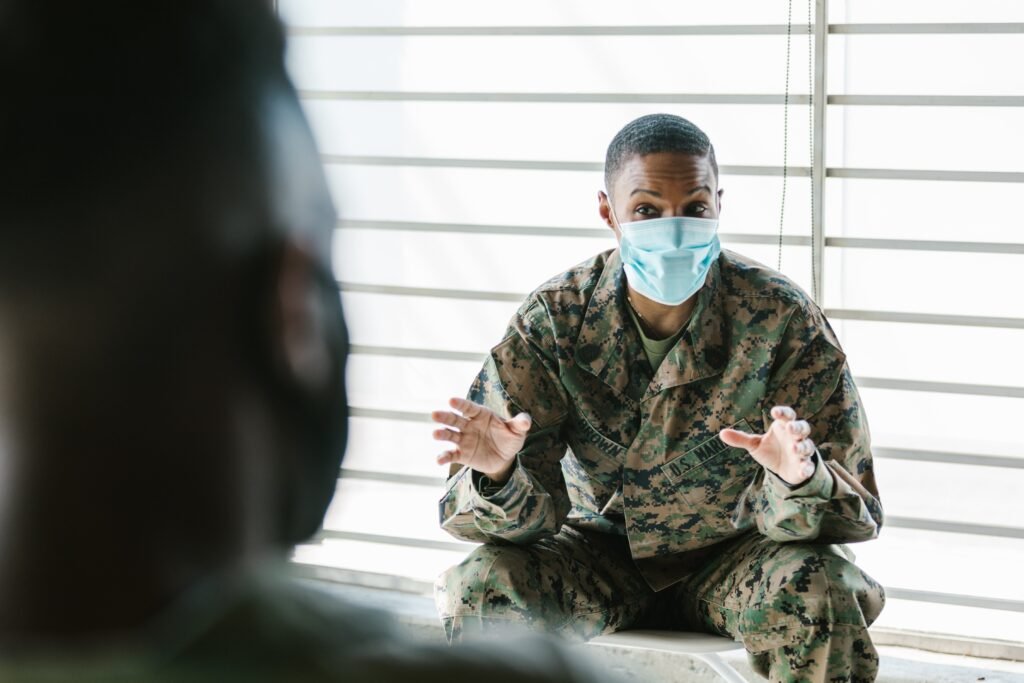
veterans in healthcare

veterans in healthcare

What draws so many veterans to healthcare careers after their military service? For many, healthcare offers stable, rewarding paths that match well with the skills and experience they bring from the military.

Healthcare careers are an increasingly popular choice among veterans, and it’s easy to see why. Many aspects of healthcare align with military training, giving veterans numerous opportunities to use their skills in high-demand roles. This blog explores why healthcare is a strong option for veterans transitioning to civilian careers, from skill compatibility to the resources available to help them succeed.

1. Alignment of Skills and Training

Those with a military background bring a valuable skill set to healthcare. Skills such as teamwork, resilience, and crisis management are essential in both fields, and they serve veterans well in healthcare environments. They are also comfortable under pressure and are trained to work in cohesive teams—qualities that are crucial in medical roles.

Additionally, many service members have experience in medical and emergency response tasks, especially those with field training. This background helps them transition smoothly into healthcare positions like emergency medical technicians (EMTs), nurses, and trauma support roles. With their problem-solving skills and adaptability, veterans can respond quickly to a range of situations in healthcare, making them valuable team members.

2. Career Stability and Demand

Healthcare offers veterans the stability they often seek in a career. With the demand for healthcare workers consistently growing, there are ample opportunities for veterans to find secure, long-term roles. Factors like an aging population and medical advancements continue to drive this demand, ensuring a stable job market for qualified professionals.

Moreover, healthcare careers provide structured paths for advancement. Veterans can begin in entry-level roles and, with experience and training, progress into specialized or leadership positions. Fields such as nursing, physical therapy, and healthcare administration have clear growth opportunities, allowing them to advance their skills and careers over time.

3. Accessible Education and Training Programs

Veterans interested in a career in healthcare have access to numerous educational and training resources. Programs like the GI Bill cover the costs of healthcare degrees, certifications, and specialized training. With this financial support, they can gain the qualifications needed for healthcare roles without significant personal expense.

Additionally, many schools and healthcare organizations offer scholarships and training programs specifically for former military members. These programs help veterans find roles that match their skills and career goals. With these resources, they can confidently enter the healthcare field, knowing they have the support to succeed.

4. Veteran-Supportive Work Environments

Many healthcare facilities actively recruit veterans, recognizing the unique strengths they bring. Some facilities have veteran-focused recruitment programs and additional resources to support those with military backgrounds as they join healthcare teams. These initiatives create a welcoming environment where former service members can transition to civilian roles with ease.

Healthcare employers often provide resources that cater to veterans, including mental health support and structured onboarding programs. With this support, they settle into healthcare roles more easily, building fulfilling and impactful careers.

At EmpowerCare, we are dedicated to supporting veterans as they transition into medical careers. We provide access to rewarding job opportunities, resources, and guidance to help them use their military experience in healthcare. EmpowerCare is committed to connecting former service members with roles that align with their skills and offer clear paths for growth.

For veterans seeking civilian careers, healthcare provides a strong option with opportunities for growth and stability. With aligned skills, steady demand, accessible training, and veteran-supportive environments, veterans can find fulfilling roles in healthcare. Veterans exploring healthcare careers will discover roles that build on their strengths, offering valuable opportunities for a successful future.

Are you a veteran interested in a healthcare career? Contact EmpowerCare to learn more about how we can support you or view our open jobs to connect with roles that match your skills.


How Adult Foster Care Works in Massachusetts Through MassHealth

A RN visiting an AFC patient at home

A RN visiting an AFC patient at home

Did you know that adult foster care in Massachusetts provides a valuable alternative to traditional long-term care? Through MassHealth, families can access the support needed to care for loved ones with disabilities or chronic conditions, allowing them to remain in a home environment. For many, this option makes a significant difference in both the quality of life for those receiving care and the peace of mind for caregivers.

Adult foster care (AFC) in Massachusetts offers an effective solution for individuals who need daily assistance but prefer to live in a family-like setting. Certified through MassHealth, AFC allows families and caregivers to provide compassionate, in-home support for loved ones. This model promotes a sense of stability and familiarity for the individual while offering essential resources for caregivers. In this blog, we’ll explore how adult foster care works, who qualifies, what services are covered, and how EmpowerCare supports families throughout the caregiving journey.

1. What Is Adult Foster Care (AFC) in Massachusetts?

Adult foster care, or AFC, is a program that provides daily care in a home setting rather than an institutional environment. It’s specifically designed for individuals who need regular assistance due to age, disability, or chronic health issues. In most cases, caregivers live in the same household and help with essential tasks like bathing, dressing, and medication management. This allows individuals to stay in a familiar setting, making the care experience more comfortable and personal.

For many families, AFC offers a balanced approach. It provides the necessary support and supervision while allowing for independence and dignity. MassHealth funds a variety of services within the AFC program, making it accessible and affordable for those in need of quality care at home.

2. Eligibility and Benefits Through MassHealth

Massachusetts’ adult foster care program, funded by MassHealth, is available to individuals who meet certain criteria. To qualify, patient must:

  • Be at least 16 years old,
  • Need daily, hands-on assistance with activities like bathing, dressing, and mobility,
  • Be enrolled in MassHealth Standard or CommonHealth, and
  • Live with their caregiver, who is often a family member.

AFC offers numerous benefits. Caregivers receive tax-free financial support, access to training, and professional assistance from a care team. Additionally, they benefit from regular visits from Registered Nurses (RNs) and caseworkers to ensure consistent, high-quality care. These services provide families with peace of mind, knowing that they are supported every step of the way.

3. How Adult Foster Care Works in Practice

In AFC, caregivers are responsible for providing day-to-day support. They assist with personal care tasks like bathing and dressing, help manage medications, and ensure general well-being. MassHealth provides financial support to make caregiving more sustainable, reducing the financial burden for families.

At EmpowerCare, our AFC program begins with a consultation to help families understand the program and assess eligibility. Once enrolled, our care team collaborates with the family to create a personalized care plan that includes daily needs and emotional well-being. Our RNs and caseworkers offer ongoing guidance to monitor care and support both caregivers and participants, ensuring a seamless care experience.

A caregiver checking on a AFC patient

4. Why Choose Adult Foster Care in Massachusetts?

Adult foster care provides a compassionate and flexible alternative to institutional care. For families, AFC offers financial assistance, caregiving support, and peace of mind, allowing them to focus on their loved one’s well-being without bearing the entire emotional and financial burden alone. For the individual, remaining in a familiar home setting can have a positive impact on mental and emotional health, improving overall outcomes.

EmpowerCare’s AFC program, certified by MassHealth, ensures that caregivers receive the support and resources they need to provide high-quality care. We understand the challenges caregivers face, and we offer family-centered solutions to make the journey smoother and more sustainable.

At EmpowerCare, we are dedicated to being a supportive partner in caregiving. Our Adult Foster Care program, provides financial assistance, personalized support, and access to a professional care team, including RNs and caseworkers. EmpowerCare’s commitment to quality and compassion means your loved one receives exceptional care in the comfort of home.

For families in Massachusetts, adult foster care offers a compassionate, supportive alternative to traditional care facilities. AFC enables caregivers to provide essential support in a home setting, improving quality of life for both individuals and caregivers. If you or a loved one might qualify, consider the many benefits of AFC and the relief that comes with MassHealth-certified support. EmpowerCare is here to guide you through the process, helping you create a safe and caring environment for your loved one.

Interested in learning more about adult foster care options through MassHealth? Contact EmpowerCare today to schedule your free consultation and see how our AFC program can support you and your loved one on your caregiving journey

Tips for Healthcare Facilities to Build a Positive Workplace Culture

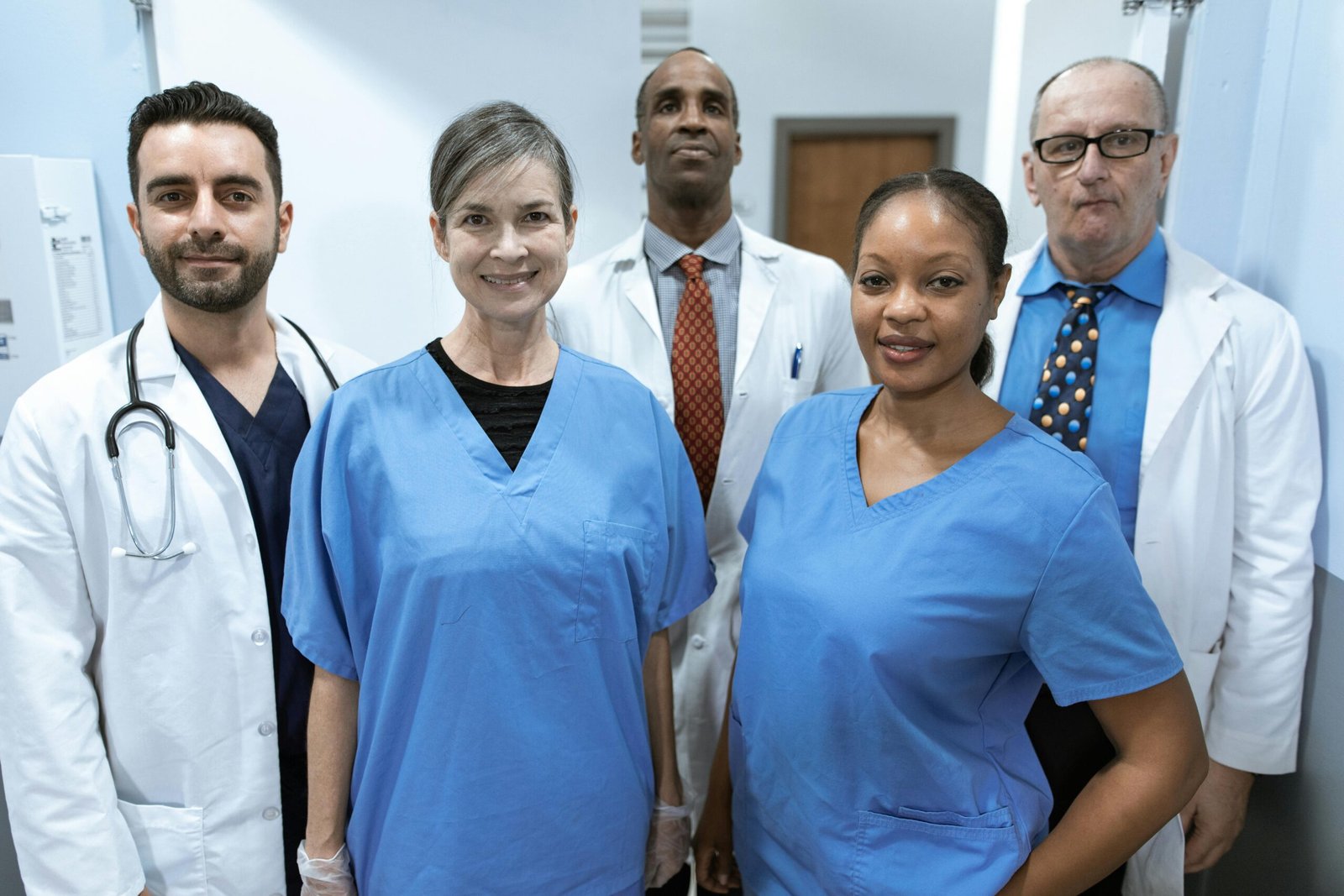
healthcare team

healthcare team

How do healthcare facilities boost healthcare staff retention and improve patient care simultaneously? Creating a positive workplace culture is the answer. When healthcare professionals feel valued and supported, they’re more likely to deliver exceptional care and remain loyal to their organization.

Building a positive workplace culture in healthcare facilities is essential for staff well-being, patient satisfaction, and employee retention. A supportive culture keeps healthcare professionals engaged and motivated, directly impacting the quality of care. In today’s demanding healthcare environment, where staffing shortages and burnout are common, prioritizing workplace culture is more important than ever. This blog provides actionable tips for fostering a culture that not only supports healthcare professionals but also enhances patient care and organizational success.

1. Emphasize Communication and Transparency

Open, honest communication is the foundation of a positive workplace culture. When staff members feel they can voice their concerns, share ideas, and ask questions, they are more engaged and satisfied. Establishing clear communication channels can make a huge difference. Regular staff meetings, feedback sessions, and an open-door policy with management allow everyone to feel included and valued.

Healthcare facilities should also focus on transparency, especially when it comes to changes in policies or procedures. Keeping staff informed builds trust and minimizes misunderstandings. By encouraging open communication, facilities create an environment where employees feel respected and heard, which in turn leads to better teamwork and job satisfaction.

2. Recognize and Reward Employees’ Efforts

Recognizing the hard work of healthcare professionals boosts morale and fosters loyalty. Small gestures of appreciation can have a significant impact. Facilities might consider implementing “Employee of the Month” programs, offering small bonuses, or even publicly acknowledging employees who go above and beyond.

Regular recognition not only reinforces positive behavior but also creates a culture where people feel appreciated. Healthcare workers often deal with high-stress situations, so knowing that their efforts are noticed and valued can motivate them to continue giving their best. Consistently recognizing achievements, big or small, keeps staff motivated and invested in their work.

3. Encourage Continuous Learning and Development

Supporting healthcare professionals in advancing their skills is essential for a thriving workplace culture. Offering opportunities for professional growth, whether through training programs, workshops, or certifications, helps employees feel valued and motivated. When staff are encouraged to grow, they bring new skills and perspectives back to the organization.

Facilities can support continuous learning by providing access to relevant resources and covering the costs of certifications. Investing in staff development shows a commitment to their long-term success and fosters a workplace culture of growth and improvement.

4. Foster Team Collaboration and Respect

Teamwork is crucial in healthcare, where patient outcomes often depend on the ability of professionals to work together effectively. Facilities can build a collaborative culture by organizing team-building activities, interdepartmental meetings, and collaborative initiatives. These efforts help staff feel more connected to each other, fostering mutual respect and cooperation.

Respect is essential across all roles in a healthcare facility, from physicians to administrative staff. When each team member feels their role is valued, it creates an environment of mutual support. Encouraging collaboration and respect builds a cohesive team that is more resilient, better at problem-solving, and more motivated to provide exceptional care.

5. Promote Work-Life Balance and Well-Being

Burnout is a common issue in healthcare, so promoting work-life balance is essential. Healthcare facilities can help staff manage burnout by offering flexible scheduling, wellness programs, and support for mental health. Simple measures like allowing more control over shift choices or offering stress-relief activities can make a meaningful difference in staff well-being.

Facilities can also implement wellness programs that encourage employees to take care of their health. Initiatives like on-site fitness classes, access to mental health resources, and offering breaks during long shifts help staff recharge. By prioritizing staff well-being, facilities show they value their employees as people, not just professionals. This commitment to work-life balance helps staff feel more energized and committed to their work.

EmpowerCare is committed to helping healthcare facilities build a positive workplace culture that supports both staff and patient care. Our services include rewarding and recognizing outstanding healthcare staff who go above and beyond in their roles. With a strong focus on staff satisfaction and recognition, EmpowerCare’s staffing solutions help facilities create an environment where healthcare professionals feel valued, empowered, and ready to provide the best care possible.

Creating a positive workplace culture is essential for healthcare facilities aiming to improve healthcare staff retention and patient care. By prioritizing open communication, recognizing staff contributions, promoting continuous learning, fostering teamwork, and supporting work-life balance, facilities can build a culture where staff feel valued and motivated. These steps not only enhance employee satisfaction but also benefit patients and the organization as a whole. Taking action to improve workplace culture now can lead to long-term success and stability in healthcare facilities.

Ready to build a culture that attracts top talent? Contact EmpowerCare to learn how our staffing solutions support a positive work environment, helping your facility thrive

How Do Healthcare Staffing Agencies Work?

Ever wondered how medical staffing agencies find the right talent at the right time for healthcare facilities? Imagine a small clinic facing a sudden surge in patients, urgently needing skilled staff. Within days, a healthcare staffing agency can connect them with professionals ready to make a difference.

Healthcare staffing agencies play a crucial role in today’s healthcare system. From hospitals and clinics to long-term care facilities, these agencies ensure organizations have access to qualified professionals. This support is essential, especially during staffing shortages or times of high demand. By providing fast and reliable staffing solutions, agencies help maintain the quality of patient care and ease the strain on permanent staff. This blog explains how healthcare staffing agencies operate, detailing how they connect skilled professionals with facilities in need and manage compliance to benefit both sides.

1. What Are Healthcare Staffing Agencies?

Healthcare staffing agencies specialize in connecting healthcare facilities with qualified professionals across various specialties. They act as key partners for facilities, offering solutions that go beyond recruitment alone. With their deep understanding of healthcare’s unique demands, these agencies streamline the hiring process, often reducing the time needed to fill open roles.

Access to Pre-Vetted Candidates

Partnering with a medical staffing agency gives healthcare organizations access to a pool of pre-vetted candidates. This means that every candidate presented meets all required credentials and qualifications and is ready to deliver quality care. Additionally, agencies offer a variety of placement options, including temporary, permanent, and travel assignments. This flexibility makes it easy for facilities to find the best fit for their needs.

2. How Do Medical Staffing Agencies Operate?

Healthcare staffing agencies use a series of well-defined steps to match professionals with facilities. Each step is crucial to ensuring high standards of care.

Client Consultation

The process starts with a consultation to understand the facility’s needs. Agencies gather specific details about the role, required qualifications, and the facility’s goals. This helps ensure candidates align closely with client expectations.

Candidate Sourcing and Screening

Next, agencies use their extensive databases to identify profiles that match the role’s qualifications. They conduct rigorous screenings, which include verifying licenses, checking credentials, and assessing relevant experience. As a result, only the most qualified professionals are presented to the facility.

Compliance and Credentialing

In healthcare, compliance and credentialing are critical. Staffing agencies manage all necessary checks, including background screening, drug tests, and credential verification. This attention to detail assures healthcare facilities that they’re hiring staff who meet all industry standards.

Placement and Follow-up

Once they find a suitable match, agencies coordinate the professional’s placement within the facility. They often follow up after placement to ensure both the candidate and the facility are satisfied with the arrangement. This feedback loop helps agencies maintain high standards and make any needed adjustments.

Types of Placements

Agencies handle various types of placements, each suited to different needs. For short-term demands, temporary or per-diem staffing works well. For more consistent support, permanent placements offer stability. Travel assignments, on the other hand, allow professionals to work in diverse locations. This flexibility benefits both facilities in high-need areas and professionals seeking varied experiences.

3. The Benefits for Healthcare Facilities and Professionals

Working with a healthcare staffing agency offers many benefits, both for facilities and for professionals.

Benefits of using a Medical Staffing Agency for Healthcare Facilities

Staffing agencies provide facilities with flexible solutions that adapt to patient demand, seasonal changes, or unexpected surges. This adaptability allows facilities to maintain quality care, prevent burnout among permanent staff, and quickly fill critical roles. By partnering with a medical staffing agency, facilities also access a broader network of specialized professionals that traditional hiring may not reach.

Benefits of using a Medical Staffing Agency for Healthcare Professionals

For job seekers, healthcare staffing agencies offer flexibility, career variety, and a chance to explore different clinical settings. New graduates, experienced nurses, and allied health professionals alike find placements that align with their skills and preferences. Agencies also provide valuable career support, including training, certifications, and mentorship. These resources allow professionals to grow and expand their expertise continuously.

At EmpowerCare, we go beyond standard staffing to provide seamless, personalized solutions for a wide range of staffing needs. As a leading medical staffing agency, we offer placements in traditional roles and travel assignments, ensuring facilities can operate smoothly and professionals can pursue fulfilling careers. We’re committed to supporting facilities and the healthcare professionals who make a difference every day.

Conclusion

Healthcare staffing agencies like EmpowerCare play an essential role in today’s healthcare environment. They offer flexible, tailored staffing solutions that support patient care and professional growth. By following a systematic process of consultation, screening, and credentialing, agencies like ours provide reliable, high-quality staffing for healthcare facilities. Whether it’s a temporary, permanent, or travel role, medical staffing agencies ensure the right professionals are in place to deliver exceptional care.

Interested in learning more about our staffing solutions? Contact EmpowerCare today to discover how we can meet your healthcare staffing needs and help you find the right talent for every shift

Staying Safe and Healthy Through Halloween: Tips for Healthcare Professionals

Safe and Healthy Through Halloween

Did you know the demand for healthcare workers, including those in per diem jobs, often rises during Halloween? For healthcare professionals, this spooky season brings extra challenges—from managing long shifts to dealing with seasonal spikes in patient volume. That’s why it’s so important to prioritize both safe and healthy through Halloween. By doing so, you can keep providing top-quality care while also taking care of yourself.

In this article, we’ll explore Halloween’s unique challenges for healthcare professionals, offer some “treats” for your health and wellness, and explain how staffing agencies for healthcare, like EmpowerCare, can be a valuable ally during the holiday season.


The Halloween “Fright” Factor: Why Healthcare Gets Busier in October

For most people, Halloween means costumes, candy, and fun. But for healthcare workers, it can mean long hours and high-stress shifts. Halloween often leads to a rise in patient visits—from costume-related accidents to colds and flu cases. This “haunted” season creates unique challenges, especially for those in per diem jobs, who may face more last-minute shift requests and unpredictable schedules.

Why does Halloween bring more patients into healthcare facilities? With all the festivities come extra risks. Think about the child who trips on a costume or the partygoer who has a little too much spirit. Emergency rooms and urgent care centers see a spike in visits around Halloween. For healthcare workers, that means longer hours and increased pressure—adding stress to what should be a fun season.


Health and Safety for Healthcare Workers This Halloween

Halloween doesn’t have to mean burnout for healthcare workers. With the right strategies, you can manage shifts while keeping your health and energy up. Here are some “treats” to help you stay safe and healthy through Halloween.

Pack a Pumpkin Power Snack
Healthy snacks can keep your energy steady and help you avoid candy crashes. Try snacks like nuts, protein bars, or fruit for lasting energy.

  1. Avoid the “Zombie” Effect—Take Short Breaks
    Short breaks can be a lifesaver. Even a few minutes of deep breathing or a quick walk can keep you refreshed. Mini breaks help you avoid feeling like a zombie by the end of your shift.
  2. Rely on Your “Boo” Crew
    Halloween shifts can be a team effort. Communicate with colleagues and support each other. Teamwork helps prevent burnout and boosts morale when the going gets tough.
  3. Keep Costumes Safe
    If your facility allows costumes, keep them safe and healthy through Halloween. Avoid trip-prone outfits or bulky accessories that could interfere with patient care. Try a subtle Halloween theme, like decorated scrubs or a festive badge clip, for a holiday vibe without added risk.

Why Per Diem Jobs Are a “Treat” During Halloween

Just as Halloween wouldn’t be complete without pumpkins, healthcare facilities aren’t complete without enough staff. That’s where staffing agencies for healthcare come in. Working with a reliable agency allows healthcare facilities to meet high-demand periods without overstretching their regular teams. Staffing agencies help fill gaps, ensuring quality patient care even during peak times.

For healthcare professionals, agencies like EmpowerCare offer flexible scheduling options. With choices like per diem jobs, you can pick shifts that work with your personal plans. This flexibility makes it easier to balance work with Halloween festivities, reducing holiday-related stress.


Why EmpowerCare is the Perfect Halloween Helper for Healthcare

EmpowerCare isn’t just any staffing agency. It’s a partner dedicated to supporting healthcare professionals through busy times like Halloween. Here’s how EmpowerCare brings a little “magic” to staffing solutions:

  • Flexible Shifts for Every Goblin and Ghoul: EmpowerCare offers flexible per diem jobs to fit your needs, whether you’re seeking extra hours or a lighter workload.
  • Supporting Spooky Season Staffing: With a network of healthcare professionals ready for action, EmpowerCare helps facilities stay fully staffed, no matter the season.
  • Keeping the “Scare” Out of Staffing: By partnering with EmpowerCare, healthcare facilities can feel confident they have skilled professionals on duty—even on Halloween night.

Whether you’re an ER nurse handling Halloween rushes or a healthcare facility manager, EmpowerCare’s personalized staffing solutions keep healthcare workers and patients well-supported during peak seasons.


Don’t Let Halloween Spook Your Health

Halloween should be fun—and maybe a little scary. But healthcare workers don’t need to feel overwhelmed by the holiday season. By staying mindful of your health, leaning on your team, and working with a trusted staffing partner like EmpowerCare, you can handle the Halloween rush with ease.

Ready to make the most of this Halloween season? Contact EmpowerCare today to explore flexible per diem jobs, secure reliable staffing support, and keep your career healthy through Halloween and beyond. Let’s work together to make sure this season is filled with treats, not tricks!

The Importance of Sleep for Healthcare Workers: Preventing Burnout and Enhancing Well-being

A nurse sleeping after a shift.

A nurse sleeping after a shift.

Did you know? Healthcare workers on night and per diem shifts are up to 40% more likely to experience sleep-related challenges. This can impact not only their well-being but also the quality of patient care. As healthcare professionals face unpredictable hours and demanding shifts, ensuring quality sleep is essential. However, with the pressures of healthcare—emergencies, long hours, and irregular schedules—achieving restorative rest is often challenging. In this post, we’ll explore why sleep is crucial for healthcare workers and provide actionable sleep tips for healthcare workers to help prevent burnout.


Why Sleep Matters for Healthcare Professionals

Sleep is not just a luxury; it’s essential for mental, emotional, and physical health. For healthcare workers, it’s a foundation for providing compassionate and consistent care. Unfortunately, the nature of per diem shifts and rotating schedules often means healthcare professionals must deal with long hours, overnight shifts, and unpredictable workloads. This creates a higher risk of sleep deprivation, stress, and ultimately, burnout.

Burnout among healthcare workers is already a serious issue, and inadequate sleep only worsens it. Lack of rest contributes to irritability, reduced focus, and higher stress levels—all of which can affect patient care. Without regular sleep, healthcare workers are also more prone to illness and injury, increasing risks to their own well-being and adding strain on their teams.

Challenges of Per Diem Shifts and Irregular Hours

Per diem roles are essential for healthcare facilities, which rely on flexible staff to meet patient demands. For workers, however, this flexibility often means irregular schedules and overnight shifts, which disrupt normal sleep cycles. This makes it difficult to achieve quality rest, leading to physical and mental fatigue and an increased risk of healthcare burnout.

Studies show that inadequate sleep among healthcare staff leads to burnout, job dissatisfaction, and higher turnover rates. When professionals can’t get consistent rest, they experience exhaustion and find it harder to provide empathetic care.

Practical Sleep Tips for Healthcare Workers

To help healthcare professionals improve their sleep, here are some effective sleep tips for healthcare workers:

  1. Create a Relaxing Wind-Down Routine
    A calming bedtime routine helps signal your body that it’s time to rest. Try gentle stretching, reading, or listening to soft music before bed. Limit screen use to at least an hour before sleep, as blue light from devices can interfere with your natural sleep cycle.
  2. Use Blackout Curtains or Eye Masks
    For day sleepers, especially after night shifts, managing light exposure is key. Blackout curtains or a quality eye mask can create a dark, restful environment, promoting uninterrupted, deep sleep.
  3. Maintain a Consistent Sleep Schedule When Possible
    Though not always easy, keeping similar sleep and wake times stabilizes your circadian rhythm. Even on days off, try to keep sleep times within an hour of your regular schedule to support restful sleep.
  4. Schedule Short Naps
    Short naps, 20 to 30 minutes, during breaks or just before a night shift can help reduce fatigue and improve alertness. Napping not only boosts your energy but also enhances focus, benefiting both you and your patients.
  5. Practice Relaxation Techniques
    Simple relaxation practices, like deep breathing or mindfulness meditation, ease stress and prepare the mind for sleep. Doing these regularly helps you fall asleep faster and achieve a more restful sleep.

Real-World Success in Preventing Burnout

Many healthcare organizations now recognize the importance of sleep and rest for their staff. Some have even adjusted shift schedules and provided sleep resources to reduce burnout and improve care quality. Clinics that prioritize sleep and offer flexible scheduling options report higher job satisfaction and reduced turnover. By emphasizing rest, these institutions experience better patient outcomes and create a more supportive work environment.


EmpowerCare’s Commitment to Supporting Healthcare Workers on Per Diem Shifts

At EmpowerCare, we understand that healthcare professionals need support and rest to do their best work. With seamless staffing solutions and flexible scheduling, EmpowerCare prioritizes the well-being of healthcare workers. Our commitment to effortless empowerment ensures that professionals have access to fulfilling roles that allow for balance and health on every shift.

With testimonials from satisfied healthcare facilities and professionals, EmpowerCare sets a high standard in staffing solutions. Our 4.8/5 customer rating reflects our dedication to improving the lives of our team members and the organizations we serve.

Take Action: Make Sleep and Wellness a Priority

In a field that requires focus, compassion, and resilience, sleep is essential. Prioritizing rest, following effective sleep practices, and partnering with staffing agencies that value balance can make a significant difference. Contact EmpowerCare today to learn about seamless staffing solutions that support well-being and career growth

What to Expect in a Phlebotomy Career: Your FAQ Guide to Phlebotomist Jobs

Phlebotomy image

Phlebotomy image

Phlebotomy is an essential healthcare role, offering direct patient care and valuable career growth opportunities. As demand for phlebotomists rises, many are considering it as a stable and fulfilling career. If you’re exploring phlebotomist jobs or are curious about what a career in phlebotomy entails, this FAQ guide will answer your most pressing questions.


1. What Does a Phlebotomist Do?

Phlebotomists are healthcare professionals trained to draw blood from patients for lab tests, blood donations, transfusions, or research purposes. Their work includes not only drawing blood but also preparing, labeling, and managing blood samples according to health protocols. You’ll find phlebotomists working in various settings, from hospitals and clinics to diagnostic labs and blood donation centers.


2. Essential Skills for Success in Phlebotomy

Phlebotomists need a blend of technical skills and soft skills to succeed. Key technical skills include hand-eye coordination and attention to detail, both crucial for drawing blood accurately and safely. Soft skills, such as empathy, communication, and a calming demeanor, are also vital, especially when working with anxious patients. These skills make the process easier for patients and help reduce the risk of errors in sample collection.


3. What Qualifications Do You Need to Start a Phlebotomy Career?

For most phlebotomist jobs, a high school diploma and a phlebotomy certification from an accredited program are required. While some states do not mandate certification, it is often preferred by employers and helps you stand out in the hiring process. Although some facilities offer on-the-job training, completing a formal program provides an advantage, giving you essential knowledge of anatomy, blood collection techniques, and health protocols.


4. How Long Does It Take to Become Certified?

Phlebotomy certification programs typically last from a few weeks to several months. Most programs include both classroom instruction and hands-on clinical practice, equipping students with real-world experience. If you choose a full-time program, certification can often be achieved in under three months. This makes phlebotomy an efficient way to enter the healthcare field without years of schooling.


5. What Does a Day in the Life of a Phlebotomist Look Like?

A typical day for a phlebotomist starts with preparing and organizing equipment, ensuring that samples are ready for collection and properly labeled. Throughout the day, they work with patients to draw blood while following strict sanitation and safety protocols. Phlebotomists interact with patients of all ages, which requires adaptability and patience. They must also complete documentation tasks to ensure that each sample is correctly labeled and tracked.

Depending on the work environment, you might work with children, adults, or elderly patients, so flexibility and a caring attitude are essential in this career.


6. Career Growth Opportunities for Phlebotomists

While phlebotomy is a specialized role, it can also be a springboard to other healthcare careers. With experience and additional certifications, phlebotomists can move into positions such as lab technician, healthcare supervisor, or phlebotomy instructor. Some phlebotomists pursue further education to become medical assistants or nurses, making phlebotomy an excellent entry point for anyone interested in a long-term healthcare career.


7. Phlebotomist Job Tips for Success

As with any healthcare career, success in phlebotomy requires dedication, organization, and a commitment to patient care. Here are some helpful phlebotomy career tips:

  • Stay Organized: Phlebotomists handle numerous samples daily. Staying organized helps reduce errors and improve efficiency.
  • Focus on Patient Care: Patients may feel anxious or scared about blood draws. A calm and friendly approach can make a significant difference in their experience.
  • Keep Learning: Healthcare is constantly evolving. Attending workshops and getting additional certifications can improve your skills and job prospects.
  • Practice Clear Communication: Explaining procedures in a comforting way reassures patients and enhances their trust in you.

8. Job Outlook and Demand for Phlebotomists

The demand for phlebotomists is projected to grow steadily in the coming years. This rise in demand is due to an increased need for blood testing in diagnostics, research, and treatment. According to the Bureau of Labor Statistics, phlebotomists enjoy above-average job growth rates, making phlebotomy a promising career choice for those entering healthcare.


9. Benefits of Working as a Phlebotomist

Phlebotomy offers several benefits for those seeking a rewarding job in healthcare without requiring extensive schooling. Many phlebotomist jobs provide options for flexible hours, including part-time or per diem roles. This flexibility supports a healthy work-life balance, which is rare in healthcare. Phlebotomy also provides exposure to different healthcare environments, which can be beneficial if you plan to explore other medical roles.


Ready to Start Your Career in Phlebotomy?

Phlebotomy is a fulfilling career that plays a crucial role in patient care and diagnostics. If you’re interested in phlebotomist jobs, EmpowerCare can help you find positions that align with your goals. We offer flexible placement options and support at every stage of your healthcare journey. Contact us to learn more about available roles and get started on your path in phlebotomy

Supporting Behavioral Health Nurses: Addressing Challenges and Building Solutions

Home care nurse smiling with a patient

Home care nurse smiling with a patient

Are you interested in how to become a mental health nurse and make a meaningful difference in others’ lives? Mental health nursing is a rewarding but challenging career that requires specialized skills, resilience, and compassion. As the need for mental health services grows, so does the demand for skilled professionals in behavioral health nursing. Yet, nurses in this field face unique challenges daily.

In this article, we’ll explore the journey to becoming a mental health nurse, discuss common challenges these nurses face, and outline strategies to help them thrive in their careers.


How to Become a Mental Health Nurse: Education and Career Path

Becoming a mental health nurse involves several steps, each essential to building a successful career in this field. Here’s how to get started:

  1. Education
    First, complete a nursing degree. You can choose an Associate’s Degree in Nursing (ADN) or a Bachelor of Science in Nursing (BSN). Although both qualify you to become a registered nurse (RN), a BSN provides a broader foundation and can open more doors in mental health nursing.
  2. Licensure and Certification
    After earning your degree, pass the NCLEX-RN exam to become a licensed RN. With this license, you can start gaining experience in mental health care. Some states may require additional certifications or training, so it’s essential to check your state’s requirements.
  3. Experience in Behavioral Health
    To succeed in mental health nursing, it’s crucial to gain hands-on experience in psychiatric or behavioral health settings. Hospitals, clinics, and community health organizations often look for RNs interested in mental health and may offer on-the-job training.
  4. Certification in Mental Health Nursing
    Finally, consider becoming certified in psychiatric-mental health nursing. Certification, like the Psychiatric-Mental Health Nursing (PMHN-BC) credential, can demonstrate your expertise and qualify you for specialized roles.

The Unique Challenges of Behavioral Health Nursing

For those who follow this career path, behavioral health nursing offers rewards but also demands resilience. Nurses in this field provide essential care to patients dealing with mental health disorders, substance use issues, and behavioral challenges. However, they face high-stress situations and complex patient interactions that can impact their well-being.

Why is behavioral health nursing so challenging? Behavioral health nurses must have both emotional resilience and deep empathy. Often, they work closely with patients experiencing acute mental health conditions or crises. Here are some of the primary challenges they face:

  • Emotional and Psychological Demand: Mental health nurses need strong emotional resilience. Frequently, they help patients in crisis, which can lead to high levels of stress.
  • Burnout Risks: Because of the intense nature of the work, behavioral health nurses are at greater risk of burnout, especially if resources are limited.
  • Mental Health Stigma: Stigma surrounding mental health affects both patients and professionals. This stigma can make it challenging for nurses to find support, impacting work-life balance.

Given these challenges, it’s essential to provide behavioral health nurses with the resources, flexibility, and support they need to thrive.


Supporting Mental Health Nurses: Effective Strategies

Supporting behavioral health nurses is more than stress management; it’s about helping them deliver top-quality care while preserving their well-being. Here are some impactful strategies:

  1. Mental Wellness Programs
    Offering access to wellness resources is invaluable. Programs focused on mindfulness, self-care, and stress management equip nurses with the tools they need to handle the demands of their work.
  2. Specialized Training and Continuing Education
    Ongoing education can help nurses stay current on mental health care approaches. Specialized training, like crisis intervention or therapeutic communication, improves both skill level and confidence.
  3. Flexible Work Options
    Flexibility in scheduling is critical for nurses handling challenging caseloads. Staffing agencies like EmpowerCare provide access to mental health nursing jobs with per diem and other flexible options. This flexibility reduces burnout and allows nurses to balance work with personal commitments.
  4. Peer Support Networks
    Strong peer support creates a sense of community. Behavioral health nurses benefit from discussing challenges, sharing advice, and supporting one another, especially when facing tough situations.

How EmpowerCare Can Support You

If you’re interested in how to become a mental health nurse and excel in this field, the right support is essential. EmpowerCare, a healthcare staffing agency, connects nurses with mental health nursing jobs that offer flexibility and growth opportunities. EmpowerCare plays a vital role in supporting behavioral health nurses by matching them with fulfilling job placements.

With EmpowerCare, mental health nurses benefit from:

  • Flexible Shifts: EmpowerCare offers per diem positions that allow nurses to control their schedules.
  • Continuous Learning Opportunities: EmpowerCare supports ongoing education, helping nurses build skills and advance in their careers.
  • Dedicated Resources for Behavioral Health Nurses: With a focus on mental health nursing, EmpowerCare provides resources tailored to behavioral health professionals’ unique needs.

Whether you’re new to the field or an experienced mental health nurse, EmpowerCare is committed to helping you thrive.


Wrapping Up: Ensuring a Rewarding Career in Mental Health Nursing

Mental health nursing is challenging yet incredibly rewarding. By understanding how to become a mental health nurse and recognizing the demands of this field, healthcare organizations, peers, and staffing agencies can help build a supportive environment where nurses feel valued and empowered.

If you’re ready to explore mental health nursing jobs with flexible options and a supportive team, contact EmpowerCare today. Let’s make a meaningful impact in mental health care—one compassionate shift at a time

How to Build a Career in Healthcare Without a Medical Degree: Exploring Non-Clinical Paths to Success

An EmpowerCare recruiter

An EmpowerCare recruiter

Did you know that about 40-50% of students who earn a Bachelor of Health Science degree choose non-clinical career paths after graduation. If you’re passionate about healthcare but prefer roles that don’t involve direct patient care, many non-clinical careers await. From administration to patient advocacy, non-medical healthcare careers provide paths to make a real impact without needing a medical degree. But what are these roles, and how can you build a career in healthcare career paths that don’t require clinical training? Let’s explore ways to enter the field and make a difference.

The Growing Demand for Non-Clinical Roles

Healthcare facilities are expanding, and so is the need for skilled professionals in non-clinical careers. These roles are essential for keeping healthcare facilities operational, organized, and efficient, which ensures patients receive seamless care. Non-clinical professionals handle everything from billing to patient support and administration, and each role helps healthcare systems run smoothly. In community health care especially, non-clinical roles are critical as they allow facilities to meet patient needs while strengthening community relationships.

Key Non-Clinical Healthcare Career Paths

If you’re considering non-medical healthcare careers, here are several rewarding options. Each of these offers a pathway into healthcare without requiring a medical degree:

Healthcare Administration

Healthcare administrators manage operations in hospitals, clinics, and other facilities. They oversee budgets, staffing, and compliance, ensuring smooth day-to-day operations. These roles are ideal for organized, strategic thinkers who want to make healthcare efficient. Common positions include hospital administrators, clinic managers, and patient experience coordinators. Often, a background in business or health administration is beneficial for these roles, allowing entry without a medical degree.

Medical Billing and Coding

Medical billing and coding specialists play a crucial role in managing patient records and handling insurance claims. They translate medical procedures into standardized codes for billing, ensuring accuracy in documentation and compensation. Although they don’t interact directly with patients, their work is vital to healthcare operations. This growing field offers opportunities in hospitals, insurance companies, and specialized billing firms. Most positions require certifications rather than a full degree, making it an accessible entry point.

Patient Advocacy and Coordination

Patient advocates and care coordinators assist patients in navigating the healthcare system, helping them make informed decisions. These professionals work closely with patients to answer questions, explain treatments, and arrange follow-up care. Empathy and strong communication skills are essential for these roles, as they often involve supporting patients and their families. Patient advocates are employed in hospitals, non-profits, and community health centers, where they positively impact patient satisfaction and care outcomes.

Building a Career in Non-Clinical Healthcare

If you’re ready to pursue healthcare career paths in non-clinical roles, here’s how to get started:

Education and Training

Many non-clinical roles don’t require a medical degree, though some certifications or training can help. For example, healthcare administration roles may require a certification in health administration. Similarly, medical billing and coding jobs often require specialized certification, while patient advocacy positions benefit from training in healthcare communication.

Skill Development

Success in non-clinical healthcare careers often requires organizational skills, clear communication, and attention to detail. Administrators and advocates need people skills to work well with patients and colleagues. Billing and coding specialists benefit from technical precision and knowledge of billing software. Soft skills like empathy, patience, and adaptability are also important across all non-clinical roles in healthcare.

Gaining Experience

If you’re new to healthcare, internships or volunteer roles can provide valuable experience. Entry-level positions in administration, patient services, or medical records are excellent starting points. Volunteering in a hospital or community clinic also provides a look into the healthcare system, letting you build skills, network, and explore career options.

EmpowerCare’s Role in Non-Clinical Careers

EmpowerCare understands the critical role non-clinical careers play in healthcare and supports professionals in finding the right roles for their skills and goals. By partnering with healthcare facilities across New England, EmpowerCare connects candidates with roles essential to facility operations. Whether you’re new to healthcare or transitioning within the industry, EmpowerCare offers resources to help you succeed.

With diverse healthcare career paths beyond clinical roles, the industry offers fulfilling opportunities for people from various backgrounds. From administration to patient advocacy, non-medical healthcare careers allow you to impact patient care and facility operations without a medical degree. Non-clinical professionals are vital to healthcare, and demand for these roles will continue as the industry grows.

Ready to start your journey in a non-clinical healthcare career? Contact EmpowerCare today for guidance in finding the right role that matches your skills and aspirations

Top FAQs About Contract Healthcare Staffing: What You Need to Know

Team of healthcare professionals working together

Team of healthcare professionals working together

Are you considering contract healthcare staffing but unsure if it’s right for your facility? With healthcare staffing demands rising, many employers turn to contract staffing. These FAQs will guide you through the process and its benefits.

Contract opportunities have gained popularity as a solution for healthcare facilities facing staff shortages. However, many still have questions about how it works and whether it suits their needs. In this blog, we’ll answer the most common contract staffing FAQs to help you make informed decisions.

What Is Contract Healthcare Staffing?

  • Answer: Contract staffing refers to hiring healthcare professionals for temporary roles in hospitals, clinics, and other healthcare facilities. These contracts typically run for 13 weeks but can range from a few weeks to several months, depending on the facility’s specific needs. Unlike permanent positions, contract roles offer flexibility for both the employer and healthcare workers.

What Benefits Does Contract Staffing Offer to Facilities?

  • Answer: Contract assignments provides several key advantages:
    • Flexibility: Facilities can adjust staffing levels as needed during peak times or in response to emergencies.
    • Cost savings: Facilities avoid long-term salary and benefits commitments, which can lower operating costs.
    • Access to specialized skills: Contract staff often bring specific expertise for short-term projects or departments needing immediate support.

What Are the Benefits for Healthcare Professionals?

  • Answer: For professionals, contract healthcare staffing offers:
    • Flexibility in scheduling: You can choose assignments that fit your availability, making it easier to balance work and personal life.
    • Diverse experience: You get to work in different settings, which enhances your skills and broadens your career prospects.
    • Competitive pay: Many contract roles offer attractive compensation, especially for in-demand specialties.

How Does the Contract Healthcare Staffing Process Work?

  • Answer: The process begins when a healthcare facility contacts a staffing agency like EmpowerCare. After assessing the facility’s needs, the agency matches qualified professionals with the available roles. The facility then selects the best candidate for the job. The agency handles all administrative tasks, such as payroll, while the facility focuses on patient care.

How Long Do Contract Assignments Last?

  • Answer: The duration of contract assignments can vary. Typically, contracts last 13 weeks but can vary between a few weeks and several months, depending on the facility’s requirements. Some contracts may be extended or renewed if both parties agree.

What’s the Difference Between Contract Healthcare Staffing and Travel Nursing?

  • Answer: While both involve temporary positions, travel healthcare staffing requires professionals to relocate for assignments, often to different states. Travel nurses, for instance, receive housing stipends and travel compensation. Contract jobs, however, usually involves local assignments, allowing professionals to stay in their home region without relocating.

Can Contract Workers Transition to Permanent Roles?

  • Answer: Yes, many facilities use contract positions as a way to evaluate potential permanent employees. If the healthcare professional and the facility are a good fit, the contract worker may be offered a full-time position after their contract ends. This gives both parties time to assess compatibility before making a long-term commitment.

Contract positions allows healthcare facilities to maintain staffing flexibility while accessing skilled professionals. EmpowerCare specializes in connecting facilities with the right contract workers, ensuring seamless operations and improved patient care. With a streamlined hiring process and a focus on matching the right candidates to the right jobs, EmpowerCare helps both facilities and healthcare professionals succeed.

As healthcare demands grow, contract healthcare staffing offers a flexible and efficient way to fill staffing gaps. Whether you’re a facility looking for short-term solutions or a healthcare professional seeking diverse opportunities, contract staffing could be the perfect fit.

Have more questions about contract opportunities? Contact EmpowerCare today to discover how we can help your facility or connect you with top contract roles