Types of Advanced Practice Nurses: APRN Specialties & Roles

Advanced Practice Nurses


In today’s complex healthcare environment, Advanced Practice Registered Nurses (APRNs) are stepping into the spotlight. These professionals are vital in closing the gap between patients and primary Care, offering high-quality, cost-effective services across diverse settings. Their growing importance responds to increasing patient needs, physician shortages, and the rising demand for specialized Care. APRNs are not just nurses with advanced training but key decision-makers, patient advocates, educators, and leaders. From bustling urban hospitals to rural clinics, APRNs provide essential services ranging from diagnosing illnesses to developing treatment plans while maintaining a patient-centered approach. Whether you’re considering a career in healthcare or seeking to understand how these roles fit into the broader system, exploring APRN specialties and responsibilities reveals a world of impact, opportunity, and Care.

What is an Advanced Practice Registered Nurse (APRN)?

An APRN is a registered nurse who has completed advanced clinical education, usually at the master’s or doctoral level and is licensed to perform a broader scope of practice than traditional registered nurses (RNs). Depending on the state and healthcare setting, they are trained to assess, diagnose, manage, and sometimes prescribe treatment.

APRNs often act as a bridge between physicians and patients, combining medical expertise with a holistic, compassionate approach to care. Their advanced education equips them to offer specialized services that significantly improve patient outcomes and healthcare accessibility, providing a reassuring standard of Care for patients.

APRN Specialties: Four Main Roles

Advanced Practice Nurses are typically categorized into four core specialties, each with its own focus and population base:

Nurse Practitioner (NP)

Nurse Practitioners are the most recognized type of APRN. They provide primary, acute, and specialty care and often serve as a patient’s primary healthcare provider.

Common NP Specialties:

  • Family Nurse Practitioner (FNP)
  • Pediatric Nurse Practitioner (PNP)
  • Adult-Gerontology Nurse Practitioner (AGNP)
  • Psychiatric Mental Health Nurse Practitioner (PMHNP)
  • Women’s Health Nurse Practitioner (WHNP)

NPs can diagnose conditions, interpret test results, develop treatment plans, and, in many states, prescribe medications. Their flexibility makes them vital in underserved areas and family practices.

Clinical Nurse Specialist (CNS)

Clinical Nurse Specialists are experts in a specific area of nursing practice, such as a population (e.g., geriatrics), setting (e.g., emergency room), disease type (e.g., oncology), or care type (e.g., rehabilitation).

CNSs focus on improving patient care and outcomes through research, evidence-based practice, and system-wide innovations. They often serve in leadership roles, helping shape policy, mentoring staff, and ensuring high standards in clinical settings.

Certified Nurse Midwife (CNM)

CNMs specialize in women’s reproductive health and childbirth. Their role goes beyond delivering babies—they also provide prenatal Care, gynecological exams, family planning advice, and postpartum support.

Midwifery blends clinical expertise with a profoundly personal, empowering approach to women’s health. CNMs often work in hospitals, birthing centers, and private practices.

Certified Registered Nurse Anesthetist (CRNA)

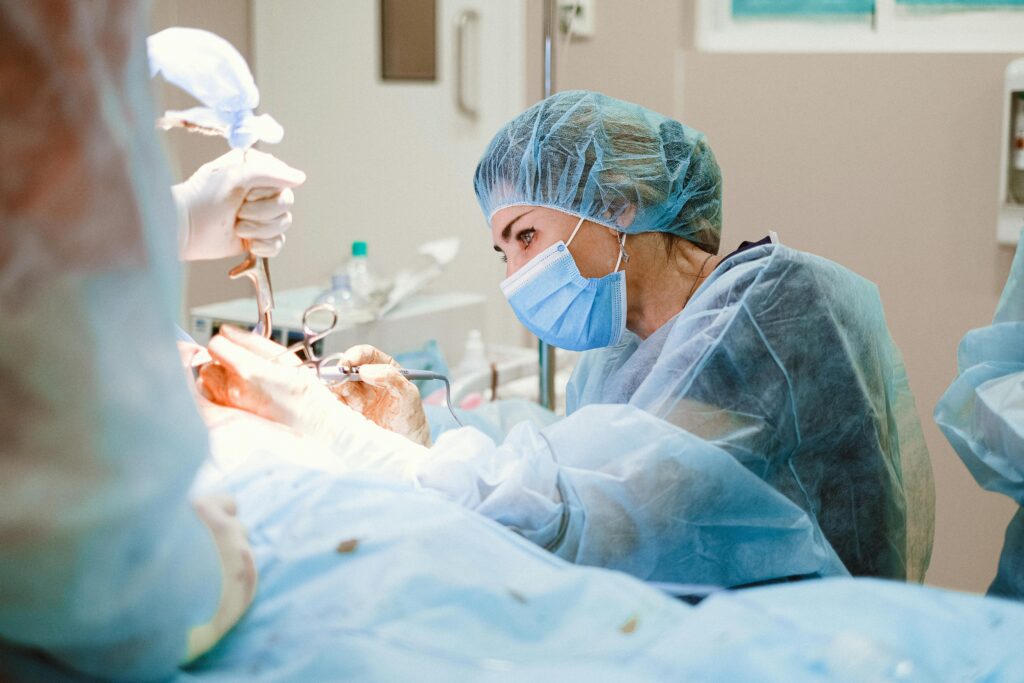
CRNAs administer anesthesia and monitor patients before, during, and after surgical procedures. They are crucial in pain management and are often found in operating rooms, dental clinics, trauma centers, and military healthcare facilities.

This role requires high precision, responsibility, and technical knowledge. Due to the complexity and intensity of their work, CRNAs are among the highest-paid nursing professionals.

The Path to Becoming an APRN

Becoming an APRN typically involves:

  • Earning a Bachelor of Science in Nursing (BSN)
  • Passing the NCLEX-RN to become a Registered Nurse
  • Gaining clinical experience (usually 1-2 years)
  • Completing a Master’s or Doctoral program in an APRN specialty
  • Obtaining national certification and state licensure

Each APRN role has unique certification exams and continuing education requirements to maintain licensure.

Why APRNs Matter in Modern Healthcare

APRNs enhance healthcare delivery in multiple ways:

  • Improved Access to Care: Especially in rural or underserved communities
  • Patient Satisfaction: Due to their emphasis on education and communication
  • Cost Efficiency: Lower costs with comparable or superior outcomes
  • Holistic Approach: Combining medical knowledge with patient-centered Care

Their versatility makes them indispensable across various environments, from primary Care to specialized units, research institutions, and beyond.

Career Outlook and Opportunities

The demand for APRNs is booming. According to the U.S. Bureau of Labor Statistics, employment of nurse anesthetists, nurse midwives, and nurse practitioners is expected to grow by 40% from 2021 to 2031—much faster than the average for all occupations.

Average Salaries by APRN Role:

  • Nurse Practitioner (NP): $120,000/year
  • Clinical Nurse Specialist (CNS): $110,000/year
  • Certified Nurse Midwife (CNM): $115,000/year
  • Certified Registered Nurse Anesthetist (CRNA): $195,000/year

The financial reward is matched by the career satisfaction of making a tangible difference in people’s lives, offering a motivating and exciting career path for those considering a future in nursing.

Empower Care: Your Partner in Nursing Success

At Empower Care, we understand the value APRNs bring to the healthcare system. We support aspiring and current advanced practice nurses in finding fulfilling career opportunities aligned with their training, passion, and goals. Whether you are exploring your first APRN role or looking to grow into a new specialty, we provide the resources and guidance you need to thrive. Our network connects healthcare professionals with high-quality positions where they can lead, heal, and transform lives.

Final Thought

Advanced Practice Nurses are redefining what providing exceptional, patient-centered Care means. With their specialized skills, compassionate approach, and leadership in innovation, APRNs are not just filling gaps in healthcare—they are building their future. From Nurse Practitioners managing chronic illness to Nurse Anesthetists ensuring surgical safety, these roles offer personal fulfillment and professional growth. If you want to step into a dynamic, rewarding field that values both heart and intellect, becoming an APRN might be your perfect next move. Empower Care is here to help you every step of the way. Because the future of healthcare needs heroes like you—and we’re here to make sure you shine.

What is Temp to Hire? Definitions, Benefits, and More

Temp to Hire

Temp to Hire

Temp to hire positions are gaining traction in today’s workforce, offering a unique level of empowerment for both employers and job seekers. This employment model empowers companies to assess candidates before making a permanent hiring decision, while also empowering employees to evaluate the workplace environment. This article delves into the definition of temp-to-hire employment, its benefits, challenges, and the array of job opportunities it presents, including remote and office-based roles.

What is Temp-to-Hire?

Temp-to-hire refers to a staffing arrangement where an employee is initially hired temporarily, typically through a staffing agency, with the possibility of being offered a permanent position after a trial period. This approach helps businesses find the right fit for their teams while allowing employees to experience the role before making a long-term commitment.

Key Features of Temp-to-Hire Jobs:

  • Short-term contract with the possibility of permanent employment.
  • Typically, it lasts from a few weeks to several months.
  • Candidates are often employed through a staffing agency during the temporary period.
  • Employers assess job performance and cultural fit before extending a full-time offer.
  • Employees can determine if the company aligns with their career goals and expectations.

Benefits of Temp-to-Hire Employment

Both employers and employees can benefit from temp-to-hire arrangements. Below are some key advantages:

For Employers:

  • Reduced Hiring Risk – Employers can evaluate a candidate’s skills and work ethic before making a permanent hiring decision.
  • Cost-Effective Hiring – Companies can save on hiring and training costs if candidates don’t meet expectations.
  • Workforce Flexibility – Businesses can adjust staffing levels based on workload demands, scaling up or down as needed.
  • Improved Employee Retention – Hiring through a temp-to-hire process reduces turnover by ensuring a good fit before committing to permanent employment.
  • Access to a Larger Talent Pool—Employers can attract a diverse range of candidates with varying experience levels.

For Employees:

  • Opportunity to Test the Workplace—Candidates can experience the work environment and company culture before committing to the long term.
  • Skill Enhancement – Gain hands-on experience and develop new skills in a temporary role, improving long-term career prospects.
  • Increased Employment Prospects – Many temp-to-hire roles lead to permanent job offers, providing security and job stability.
  • Networking Opportunities – Build connections within the industry that may lead to future career opportunities, fostering a sense of community and belonging.
  • Flexibility and Work-Life Balance – Temporary roles offer more flexibility in scheduling, making it easier for employees to explore different industries and roles.

Challenges of Temp-to-Hire Jobs

While there are many benefits to temp-to-hire employment, some challenges should also be considered:

  • Uncertainty – There is no guarantee that a temp-to-hire position will result in a permanent job offer.
  • Limited Benefits – Temporary employees may not access full benefits like health insurance, retirement plans, or paid time off.
  • Adjustment Period – Adapting to a temporary role can be challenging, as expectations may differ from permanent positions.
  • Competitive Hiring Process – Employees must consistently prove their value to secure a full-time position.

Temp-to-Hire Job Opportunities

Temp-to-hire roles are available in various industries, including healthcare, finance, administration, technology, and customer service. These positions cater to work preferences, such as remote and office-based jobs. For instance, in the healthcare industry, hospitals and clinics often offer temp-to-hire positions for roles like nursing assistants and medical secretaries. In the technology sector, startups and established companies alike may use temp-to-hire arrangements for software developers and IT support staff.

Temp-to-Hire Remote Jobs

Remote temp to hire jobs are ideal for professionals seeking flexibility while transitioning into a permanent role. These roles often include:

  • Customer Support Representatives – Handling customer inquiries and resolving issues from home.
  • Virtual Assistants – Providing administrative support to businesses remotely.
  • Content Writers & Editors – Creating and editing digital content for blogs, websites, and marketing materials.
  • IT & Software Development Roles – Remotely offering tech support, coding, and software development services.
  • Marketing & Social Media Managers – Managing online presence and marketing campaigns for businesses.
  • Data Analysts – Analyzing and interpreting data to help companies make informed decisions.

Temp-to-Hire Office Jobs

For individuals who prefer working in a traditional office environment, contingent to permanent office jobs include:

  • Administrative Assistants – Managing office operations and supporting executive teams.
  • Receptionists – Greeting clients, handling calls, and maintaining office communication.
  • Accounting & Finance Assistants – Managing invoices, payroll, and financial records.
  • Human Resources Coordinators – Assisting with recruitment, onboarding, and employee relations.
  • Sales Representatives – Managing customer accounts, generating leads, and closing deals.
  • Project Coordinators – Supporting teams in execution, tracking progress, and managing deadlines.

How to Find Temp-to-Hire Jobs

If you’re interested in contingent to permanent employment, consider the following steps to secure the right opportunity:

  • Use Staffing Agencies – Many companies partner with staffing agencies to fill contingent to permanent positions. Agencies can match job seekers with roles that align with their skills and career goals.
  • Search Online Job Boards – Websites like Indeed, LinkedIn, and Glassdoor list contingent to permanent job openings across various industries.
  • Network with Industry Professionals—Attend job fairs and career events and connect with professionals in your field through LinkedIn and other networking platforms.
  • Tailor Your Resume and Cover Letter – Highlight relevant skills, past experiences, and achievements that make you a strong candidate for temporary and permanent roles.
  • Prepare for Interviews – Since contingent to permanent roles are designed to evaluate candidates before hiring permanently, demonstrating enthusiasm, adaptability, and reliability is crucial during the interview process.
  • Showcase Your Work Ethic—Once hired, treat the temporary position as permanent by demonstrating professionalism, punctuality, and dedication to your responsibilities. Use the contingent to permanent period to learn as much as possible about the company and the role and show your potential for growth and contribution. This proactive approach can significantly increase your chances of being offered a permanent position.

Final Thought 

Contingent to permanent employment provides job seekers and employers with unique opportunities to ensure a good match before committing to a long-term role. With advantages such as job flexibility, skill development, and career growth, this employment model is an excellent choice for those looking to transition into a stable career. Whether you’re exploring contingent to permanent remote jobs for flexibility or office-based roles for hands-on experience, this approach can help you find the right career path. While there may be challenges, such as job uncertainty and limited benefits, the potential for career growth and full-time employment makes contingent to permanent jobs a valuable steppingstone in today’s competitive job market. Contingent to permanent roles are the perfect option if you want to gain valuable experience, expand your professional network, and increase your chances of securing a permanent position. Start your search today and take the next step toward a fulfilling career! Whether you’re a job seeker looking for a new opportunity or an employer considering a flexible staffing solution, temp-to-hire employment could be the right choice for you.

Steps to Becoming a Travel Nurse: Salary Insights & Expert Tips

Travel nurse

Travel nurse

Travel nursing is an exciting career path that not only allows registered nurses (RNs) to explore new locations and gain diverse clinical experience but also offers a platform for significant professional growth and competitive salaries. Whether you’re looking for adventure, flexibility, or a chance to advance in your career, travel nursing is a unique opportunity to work in different healthcare settings while enjoying various benefits. In this comprehensive guide, we’ll walk you through the steps to becoming a travel nurse, provide insights into salary expectations, and share expert tips to help you succeed in the field.

What is a Travel Nurse?

A travel nurse is a registered nurse hired on a temporary contract to work in healthcare facilities experiencing staffing shortages. Assignments typically last between 8 to 26 weeks (about 6 months), with the flexibility to extend or move to another location.

Key Responsibilities:

  • Providing patient care according to assignment guidelines.
  • Adapting to new healthcare environments quickly.
  • Collaborating with medical teams and local staff.
  • Ensuring compliance with facility protocols and standards.
  • Educating patients and their families on healthcare plans.

Steps to Becoming a Travel Nurse

Step 1: Obtain a Nursing Degree

The first step in becoming a travel nurse is to complete an accredited nursing program. You can choose between:

  • Associate Degree in Nursing (ADN) takes about two years to complete.
  • Bachelor of Science in Nursing (BSN) – Typically a four-year program that provides more in-depth education and better job prospects.

Step 2: Pass the NCLEX-RN Exam

After graduating, you must pass the National Council Licensure Examination for Registered Nurses (NCLEX-RN) to obtain your nursing license. This standardized exam assesses your knowledge and readiness to practice as a registered nurse.

Step 3: Gain Clinical Experience

Most travel nursing agencies require at least one to two years of bedside experience in a hospital or specialized setting. Consider gaining experience in high-demand specialties like:

  • Emergency Room (ER)
  • Intensive Care Unit (ICU)
  • Labor & Delivery (L&D)
  • Operating Room (OR)
  • Medical-Surgical (Med-Surg)

Step 4: Obtain the Necessary Licenses & Certifications

  • State Licensure: Travel nurses must hold a valid RN license. If you plan to work in multiple states, consider obtaining a Nurse Licensure Compact (NLC) license, which allows you to practice in participating states.
  • Certifications: Some positions require additional certifications, such as:
    • Essential Life Support (BLS)
    • Advanced Cardiovascular Life Support (ACLS)
    • Pediatric Advanced Life Support (PALS)
    • Certified Emergency Nurse (CEN) for ER nurses

Step 5: Connect with a Travel Nursing Agency

Working with a reputable travel nursing agency simplifies the job search process and ensures you receive competitive pay and benefits. Agencies help with:

  • Matching you with assignments based on your preferences.
  • Handling licensing and credentialing paperwork.
  • Providing housing and travel arrangements.
  • Negotiating salary and benefits on your behalf.

Step 6: Select Assignments & Sign a Contract

Once you’re matched with a position, you’ll review and sign a contract detailing:

  • Assignment duration and location
  • Work schedule and expectations
  • Compensation, including hourly wages and stipends
  • Housing arrangements and travel reimbursement

Step 7: Prepare for Your Travel Nursing Assignment

Before starting your assignment:

  • Research the facility and location.
  • Pack essentials, including scrubs, important documents, and personal items.
  • Arrange housing if not provided by the agency.
  • Stay connected with your recruiter for support throughout your assignment.

Travel Nurse Salary Insights

How Much Do Travel Nurses Make?

Travel nurse salaries vary based on location, specialty, and experience level.

Factors Affecting Salary:

  • Location: High-demand states like California, New York, and Texas offer higher pay.
  • Specialization: ICU, ER, and OR nurses earn more than Med-Surg nurses.
  • Shift Differentials: Night shifts and weekends often come with higher pay rates.
  • Crisis Assignments: Emergency or disaster-response assignments pay premium rates.

Benefits Beyond Salary:

  • Tax-free housing and meal stipends
  • Travel reimbursement
  • Health and dental insurance
  • Retirement plans (401k options)
  • Bonuses for contract completion and referrals.

Travel Nursing Agencies: Choosing the Right One

Choosing the right travel nursing agency is crucial for a successful career. Consider factors such as:

  • Reputation and Reviews: Look for agencies with positive nurse testimonials.
  • Job Availability: Ensure they offer assignments in locations and specialties that match your preferences.
  • Compensation and Benefits: Compare pay packages, housing options, and insurance coverage.
  • Support and Communication: A good agency provides consistent recruiter support and assistance.

Travel Nurse Practitioner Jobs: Expanding Career Opportunities

Becoming a travel nurse practitioner (NP) offers even greater flexibility and earning potential for nurses looking to advance their careers.

What Does a Travel Nurse Practitioner Do?

  • Provides specialized care across different healthcare settings.
  • Diagnoses and treats patients independently or in collaboration with physicians.
  • Works in clinics, hospitals, urgent care centers, and telehealth roles.

How to Become a Travel Nurse Practitioner:

  • Earn a Master’s or Doctorate in Nursing (MSN/DNP).
  • Obtain board certification in a specialty (e.g., Family Nurse Practitioner – FNP).
  • Acquire state licensure and additional credentials for travel assignments.
  • Gain clinical experience in high-demand NP roles.
  • Partner with travel nursing agencies specializing in NP placements.

Expert Tips for Success as a Travel Nurse

  • Stay Organized: Keep track of certifications, contracts, and required paperwork.
  • Be Adaptable: Embrace new environments and be open to different workplace cultures.
  • Network with Other Travel Nurses: Join online communities and social groups to share experiences and job leads.
  • Negotiate Your Pay and Benefits: Before accepting assignments, don’t hesitate to discuss salary, stipends, and additional perks.
  • Remember, self-care is not a luxury; it’s a necessity. Maintaining a healthy work-life balance is crucial to avoid burnout and ensure well-being. So, prioritize self-care in your journey as a travel nurse.

Final Thought

Travel nursing is a rewarding and dynamic career path that offers flexibility, financial benefits, and the chance to explore new locations. Whether you’re just starting your journey or looking to advance as a travel nurse practitioner, the opportunities in this field are vast. By following the proper steps, working with reputable travel nursing agencies, and staying informed about salary trends, you can build a fulfilling and lucrative career in travel nursing. The adventure of travel nursing awaits—start taking the necessary steps today and embrace a career filled with professional growth, personal enrichment, and exciting new experiences!

What is the position description of a registered nurse?

Registered Nurse

Registered Nurse

Once you meet the doctor in the clinic or hospital, the person who looks after you endlessly ensures that you eat on time and consume medicines on time. The doctor also ensures your progress and then reports to the doctor with the improvements or, in the worst case, informs the doctor if the patient is not improving. Registered Nurses (RNs) play a crucial role in the healthcare system, providing direct patient care, supporting physicians, and ensuring quality medical services across various settings. To become an RN, you typically need to complete a Bachelor of Science in Nursing (BSN) or an Associate Degree in Nursing (ADN) program and then pass the NCLEX-RN exam. Whether working in hospitals, clinics, nursing homes, or home healthcare, RNs are essential for patient recovery and overall well-being. This article will explore a registered nurse jobs description, key responsibilities, employment opportunities, and career growth.

Responsibilities of a Registered Nurse

The role of a registered nurse is multifaceted, encompassing clinical duties, patient advocacy, and administrative tasks. Here are the key responsibilities that demonstrate the versatility and adaptability of a registered nurse:

Patient Care and Treatment

  • Assess patients’ conditions and medical histories.
  • Develop and implement nursing care plans.
  • Administer medications and treatments as prescribed by physicians.
  • Monitor patient responses to treatments and adjust care plans accordingly.
  • Provide wound care, IV therapy, and other medical procedures.

Patient Education and Advocacy

  • Educate patients and families on disease prevention, medications, and lifestyle changes.
  • Provide emotional support and counseling to patients and their families.
  • Advocate for patients’ rights and ensure they receive the best possible care.

Collaboration with Healthcare Teams

  • Work closely with doctors, specialists, and other healthcare professionals.
  • Assist in diagnostic tests and medical procedures.
  • Communicate patient progress and treatment plans effectively.

Documentation and Record-Keeping

  • Maintain accurate patient records and updated medical histories.
  • Document nursing interventions, assessments, and patient progress.
  • Ensure compliance with healthcare regulations and policies.

Supervisory and Leadership Roles

  • Oversee Licensed Practical Nurses (LPNs) and nursing assistants.
  • Train and mentor new nursing staff.
  • Participate in hospital or facility improvement initiatives.

Work Environments for Registered Nurses

Registered nurses work in various healthcare settings, offering unique challenges and opportunities.

Hospitals

  • Emergency rooms, intensive care units (ICU), and operating rooms.
  • Specialized departments like pediatrics, oncology, and cardiology.
  • Fast-paced, high-pressure environments requiring quick decision-making.

Nursing Homes and Assisted Living Facilities

  • Provide long-term care for elderly and disabled patients.
  • Administer medication, monitor chronic conditions, and assist with daily living.
  • Work closely with families to ensure the best possible care.

Clinics and Private Practices

  • Assist in outpatient treatments and preventive care.
  • Provide vaccinations, wound care, and routine health screenings.
  • Offer patient education on chronic disease management.

Home Healthcare Services

  • Provide medical care for patients in their homes.
  • Assist with rehabilitation, chronic illness management, and palliative care.
  • Work independently while maintaining close communication with healthcare teams.

Schools and Educational Institutions

  • Provide medical care for students and staff.
  • Educate students on health, nutrition, and wellness.
  • Address medical emergencies and administer first aid.

Registered Nurse Employment Opportunities

The demand for registered nurses is expected to grow significantly due to the aging population, increasing healthcare needs, and advancements in medical treatments. According to the U.S. Bureau of Labor Statistics (BLS), RN employment is projected to grow 6% from 2022 to 2032, leading to thousands of new job openings.

In-Demand Specializations

Registered nurses have the opportunity to specialize in various fields, including:

  • Critical Care Nurse – Works in ICUs and emergency departments.
  • Pediatric Nurse – Specializes in treating infants, children, and adolescents.
  • Oncology Nurse – Cares for cancer patients undergoing treatment.
  • Geriatric Nurse – Focuses on elderly patient care.
  • Mental Health Nurse – Provides psychiatric and emotional support services.

Job Outlook and Salary Expectations

  • The average salary for an RN in the U.S. is approximately $81,220 per year, but this varies based on location, specialization, and experience.
  • High-demand areas such as California, New York, and Texas offer some of the highest salaries.
  • Opportunities for travel nursing provide higher pay and flexible schedules.

Career Growth and Advancement

Registered nurses have numerous opportunities for career advancement. Many RNs choose to further their education and gain additional certifications to move into higher roles.

Advanced Practice Registered Nurse (APRN)

  • Nurse practitioners (NPs), nurse anesthetists (CRNAs), and nurse midwives (CNMs) are APRNs with advanced training and responsibilities.
  • APRNs can diagnose conditions, prescribe medications, and provide specialized care.

Nurse Educator or Clinical Instructor

  • RNs with experience and a passion for teaching can become nurse educators.
  • Teach nursing students in universities, colleges, or healthcare facilities.

Nurse Management and Leadership Roles

  • RNs can become charge nurses, nurse managers, or directors of nursing.
  • Oversee healthcare teams, implement policies, and improve patient care.

Public Health and Research

  • Work with government agencies, nonprofit organizations, or research institutions.
  • Conduct health studies, implement public health initiatives, and advocate for better healthcare policies.

Final Thought 

A registered nurse’s position is rewarding and challenging, offering numerous career paths and opportunities for professional growth. RNs provide essential patient care, advocate for health and wellness, and play a critical role in medicine. With increasing demand and various employment options, becoming an RN is a promising career choice for those passionate about healthcare and making a difference in people’s lives. If you are considering a career as a registered nurse, now is a great time to pursue your nursing education and embark on a fulfilling journey in healthcare. The profession offers stability and competitive salaries and provides the personal satisfaction of knowing you make a tangible difference in people’s lives daily. Whether you are drawn to patient care, research, or healthcare leadership, the opportunities within nursing are vast and ever-expanding. Take the first step towards a meaningful and impactful career today!

The Role of Case Managers and Nurses in the AFC Program

How Professional Support Helps Caregivers and Patients Thrive

The Adult Foster Care (AFC) program provides more than financial help. It also offers ongoing professional support from case managers and nurses. Their role is to guide caregivers, monitor patient health, and ensure quality care at home.

If you’re considering the AFC program, understanding the role of these professionals can help you maximize the support available to you.


Why Does the AFC Program Include Case Managers and Nurses?

The AFC program is not just about financial assistance. It ensures caregivers have the training, oversight, and medical guidance needed to provide safe care at home.

Having case managers and nurses involved helps:

  •  Ensure high-quality care for patients
  • Support caregivers with training and resources
  • Monitor health conditions and prevent hospital visits
  • Address problems before they become serious

This professional support system creates a safety net for caregivers and patients. Families receive help, rather than managing everything alone.


The Role of AFC Case Managers

A case manager is the primary contact for caregivers and patients. Their job is to ensure families have the right resources, care plans, and guidance.

What Does a Case Manager Do?

  • Creates a Personalized Care Plan – Each AFC participant gets a care plan based on their unique needs.
  • Provides Emotional & Logistical Support – Caregiving can be stressful. Case managers offer advice, encouragement, and solutions.
  • Connects Families to Additional Services – They help families access respite care, therapy, or financial assistance.
  • Ensures AFC Program Compliance – Case managers help caregivers follow state regulations and paperwork requirements.
  • Acts as an Advocate – They coordinate with healthcare providers and assist with insurance or Medicaid questions.

Case managers are more than administrators. They support caregivers every step of the way.


The Role of AFC Nurses

While case managers focus on care coordination, AFC nurses handle medical oversight. They train caregivers and monitor patient health to ensure safe, effective care.

What Does an AFC Nurse Do?

  • Performs Regular Health Checks – AFC nurses visit participants to track blood pressure, mobility, medications, and wound care.
  • Trains Caregivers – Many caregivers aren’t medical professionals. Nurses teach them safe care techniques, such as lifting support and medication management.
  • Prevents Emergencies – Nurses identify health risks early to avoid hospital visits.
  • Manages Medications – They check dosages, monitor interactions, and ensure medications are taken correctly.
  • Bridges the Gap Between Doctors & Families – Nurses communicate between caregivers, patients, and healthcare providers.

AFC nurses play a key role in patient safety and caregiver confidence.


How Professional Support Helps Caregivers

Caring for a loved one can be overwhelming. AFC case managers and nurses help families feel more confident, less stressed, and better prepared.

Key Benefits of AFC Support

  • Reduces Caregiver Burnout – Regular check-ins ease stress and prevent exhaustion.
  • Improves Patient Health – Consistent medical monitoring ensures timely care.
  • Creates a Safety Net – Caregivers don’t have to handle challenges alone. Help is available.
  • Provides Guidance & Training – Professional support empowers caregivers with the skills they need.

Is the AFC Program Right for You?

If you’re caring for a loved one with a disability or chronic illness, EmpowerCare’s AFC program offers:

  • Financial assistance to ease caregiving costs
  • Regular nurse visits to monitor health conditions
  • Ongoing case management for guidance and support
  • A way to keep your loved one at home instead of a facility

The AFC program is more than financial relief. It provides caregivers with knowledge, medical support, and resources to deliver safe, high-quality care.

Want to learn more? EmpowerCare can help you determine if you qualify.

Get started today: EmpowerCare AFC Program

Could You Handle the Pressure? What It Takes to Be a Critical Care Nurse

Do You Have What It Takes to Work in Critical Care?

Not all nurses are built for the high-stakes, high-pressure world of critical care nursing. It’s a field that demands rapid decision-making, resilience, and advanced clinical skills, where even a few seconds can mean the difference between life and death.

So, what is a critical care nurse, and could you handle the pressure of working in this challenging yet incredibly rewarding field? Let’s break down the key qualities, skills, and mindset needed to thrive in critical care nursing.


What is a Critical Care Nurse?

A critical care nurse is a registered nurse (RN) who specializes in treating patients with life-threatening conditions. These nurses work in intensive care units (ICUs), emergency departments (EDs), trauma units, and critical care transport teams, where they monitor and stabilize patients facing severe medical crises.

Who They Care For: Patients suffering from respiratory failure, sepsis, multi-organ dysfunction, cardiac arrest, traumatic injuries, and other life-threatening conditions.
Where They Work: ICUs, cardiac care units (CCUs), trauma centers, burn units, and even on helicopters and ambulances in flight and transport nursing roles.

Critical care nurses are the backbone of the healthcare system’s most intense moments – but not everyone is cut out for the job.


Do You Have These Essential Traits?

If you’re considering a career in critical care, you’ll need more than just nursing skills. Here are the key personality traits that define a successful critical care nurse:

Ability to Stay Calm Under Pressure
A critical care nurse doesn’t panic when alarms go off. When a patient crashes, they spring into action with confidence and precision.

Quick Decision-Making Skills
There’s no time for second-guessing in the ICU. Critical care nurses must make split-second decisions based on changing patient conditions.

Strong Communication & Teamwork
These nurses work closely with physicians, respiratory therapists, and other specialists, often leading patient interventions in high-stakes situations.

Emotional Resilience
Seeing critically ill patients, managing families in distress, and experiencing loss can be emotionally draining. Critical care nurses need the mental strength to cope with difficult cases while continuing to provide top-tier care.

Lifelong Learner Mentality
Medicine evolves constantly, and critical care nurses must stay ahead of new treatments, technologies, and emergency protocols. Advanced certifications (such as CCRN – Certified Critical Care Nurse) can also help boost their expertise and earning potential.


Can You Handle the Workload?

Working in critical care is rewarding, but it’s also physically and mentally demanding. Here’s what a typical shift might include:

Nonstop Action – From coding patients to adjusting ventilator settings, there’s no downtime in critical care.
Complex Patient Monitoring – Constantly analyzing EKGs, ventilators, arterial lines, and medication drips.
High-Stakes Procedures – Inserting central lines, administering life-saving medications, and assisting with intubations and resuscitations.
Intensive Documentation – Every tiny detail matters in a critically ill patient’s chart.

It’s a fast-paced, high-intensity job—but for those who thrive under pressure, it’s one of the most fulfilling careers in nursing.


How to Become a Critical Care Nurse

Think you’ve got what it takes? Here’s how to start your journey:

  • Earn Your RN License – A Bachelor of Science in Nursing (BSN) is preferred for critical care roles, though an Associate’s Degree in Nursing (ADN) can also lead to ICU positions.
  • Gain Experience in Acute Care – Many ICU nurses start with 1-2 years of experience in step-down units, telemetry, or emergency nursing before moving into critical care.
  • Get Certified – The CCRN (Critical Care Registered Nurse) certification isn’t required but is highly valued for ICU roles.
  • Consider Specializing – Some critical care nurses choose to work in neonatal, cardiac, neuro, or trauma ICUs, depending on their interests.
  • Stay Resilient & Keep Learning – Critical care is always evolving, and staying on top of new treatments and technologies is key to long-term success.

Are You Ready for the Challenge?

Critical care nursing isn’t for everyone—but for those who crave intensity, love problem-solving, and thrive in intense situations, it’s one of the most exciting and rewarding careers in healthcare.

Could you handle the pressure? If you’re ready to take the next step in your nursing career, explore critical care nurse opportunities with EmpowerCare today!

Find critical care nurse jobs now: EmpowerCare Job Search

Who Benefits Most from Home Health Nursing? A Look at the Patients Who Rely on In-Home Care

Home Health Care: Providing Essential Care Where It’s Needed Most

Home health nursing plays a critical role in modern healthcare, bringing personalized, professional medical care to patients in the comfort of their own homes. But who benefits most from this care?

From post-surgical patients to individuals managing chronic illnesses, home health nurses help a diverse range of people maintain their health, avoid hospital readmissions, and improve their quality of life. Let’s explore the key patient groups who rely on home health care and why this form of care is essential.


1. Seniors with Chronic Illnesses

As people age, managing chronic conditions like diabetes, heart disease, COPD, and arthritis can become increasingly difficult. Many seniors prefer to remain at home rather than move to assisted living or nursing facilities.

How Home Health Nursing Helps:

Medication management – Ensuring patients take the correct dosages at the right times.
Chronic disease monitoring – Tracking vital signs and symptoms to prevent complications.
Fall prevention – Assessing the home for safety risks and educating patients on mobility strategies.
Personalized care – Tailoring care plans to the patient’s specific medical and lifestyle needs.

Why It Matters: Home health nursing reduces hospital visits and helps seniors maintain their independence for as long as possible.


2. Patients Recovering from Surgery or Hospitalization

After surgery or a hospital stay, many patients still need medical supervision to ensure a smooth recovery. Returning home too soon without proper support can lead to complications, infections, or readmissions.

How Home Health Nursing Helps:

Post-surgical wound care – Preventing infections and promoting healing.
Pain management – Assisting with medications and therapy to keep discomfort under control.
Physical therapy coordination – Supporting rehabilitation efforts and monitoring progress.
Preventing readmissions – Identifying warning signs early to prevent complications.

Why It Matters: Home health nurses help patients heal faster and safer in their own environment, reducing the risk of complications and unnecessary hospital visits.


3. People Managing Disabilities or Mobility Issues

For individuals living with neurological conditions, spinal injuries, or other mobility challenges, daily medical needs often require professional support. Home health nurses provide care while empowering patients to live as independently as possible.

How Home Health Nursing Helps:

Assisting with mobility aids – Ensuring proper use of wheelchairs, walkers, and braces.
Administering treatments – Managing conditions like multiple sclerosis, ALS, or post-stroke recovery.
Providing caregiver education – Teaching family members how to assist with daily care needs.
Offering emotional support – Helping patients cope with changes in mobility and independence.

Why It Matters: Home health nurses provide both medical and emotional support, helping patients navigate the challenges of long-term disabilities.


4. Individuals Requiring Palliative or Hospice Care

Patients facing terminal illnesses or requiring end-of-life care need comfort, dignity, and compassionate support. Many choose to remain at home rather than spend their final months in a hospital or facility.

How Home Health Nursing Helps:

  • Pain and symptom management – Keeping patients comfortable and ensuring quality of life.
  • Emotional and family support – Helping loved ones navigate the hospice process.
  • Coordination with hospice teams – Ensuring seamless care transitions.
  • Respecting patient wishes – Focusing on dignity, autonomy, and patient-centered care.

Why It Matters: Home health nurses play a vital role in making end-of-life care as peaceful and comfortable as possible for both patients and their families.


5. New Mothers & Infants Needing Postpartum Care

The transition home after childbirth can be overwhelming, especially for first-time parents or those with high-risk pregnancies. Home health nurses help new mothers and newborns stay healthy in the critical first weeks after delivery.

How Home Health Nursing Helps:

  • Postpartum recovery support – Monitoring the mother’s healing and addressing complications.
  • Newborn check-ups – Assessing feeding, weight gain, and overall health.
  • Lactation support – Assisting with breastfeeding techniques and issues.
  • Mental health screening – Identifying signs of postpartum depression or anxiety.

Why It Matters: Home health nurses provide early intervention and education, helping parents feel more confident and supported in caring for their newborns.


Why Home Health Nursing is Essential

Home health nursing isn’t just about medical care – it’s about improving lives. Whether it’s helping a senior manage diabetes, assisting a stroke survivor with rehabilitation, or supporting a new mother, home health nurses provide care that meets patients where they are, both physically and emotionally.

With the rising demand for in-home healthcare, home health nursing offers a fulfilling career path for nurses looking to make a direct impact on patient well-being.


Find Your Next Home Health Job Today

If you’re passionate about providing one-on-one care, building meaningful patient relationships, and making a difference in people’s lives, home health nursing could be the perfect fit for you.

Explore home health nursing jobs today with EmpowerCare!

Find opportunities now: EmpowerCare Job Search

High-Paying RN Operating Room Jobs: Where to Find the Best Opportunities

Maximize Your Earning Potential as an OR Nurse

If you’re an RN working in an operating room looking for high-paying opportunities, you’re in demand! OR nurses play a critical role in surgical teams, assisting before, during, and after procedures to ensure patient safety and positive outcomes.

With hospitals, surgical centers, and specialty clinics offering competitive salaries and benefits, now is a great time to explore the best RN operating room jobs that fit your skills and career goals.

Let’s break down where to find high-paying RN operating room jobs, what impacts your salary, and how to land the best roles.


How Much Do RN Operating Room Nurses Earn?

Operating room nurses typically earn higher-than-average salaries due to their specialized skills and critical role in surgical procedures.

Average RN Operating Room Salary:

  • National Average: $80,000 – $120,000 per year
  • Per Diem & Travel OR Nurses: $50 – $80 per hour
  • Top-Paying Locations: Major metro areas and states with high healthcare demand, such as California, New York, and Massachusetts

Factors that influence an OR nurse’s salary include:

  • Experience Level – More experience means higher earning potential.
  • Location – Urban hospitals and high-demand states pay more.
  • Certifications – Holding a CNOR (Certified Nurse Operating Room) credential can boost salary offers.
  • Shift Differentials – Working nights, weekends, or on-call shifts can lead to higher pay.
  • Type of Facility – Teaching hospitals, trauma centers, and specialty surgical centers often offer better compensation.

Where to Find High-Paying RN Operating Room Jobs

If you’re ready to take your OR nursing career to the next level, here’s where to look:

1. Travel Nursing Agencies

Travel RN operating room jobs are among the highest-paying in the industry. These short-term assignments (typically 8-13 weeks) let you earn premium pay, receive housing stipends, and explore new locations while working in top-tier hospitals.

Best for: Nurses who love adventure and higher salaries
Benefits: Housing stipends, bonuses, tax-free reimbursements, flexibility

2. Per Diem OR Nursing Jobs

Per diem OR nurses work on an as-needed basis, allowing them to choose shifts and earn competitive hourly pay. These positions are great for nurses looking to supplement their income or create a flexible work schedule.

 Best for: Nurses seeking work-life balance with high hourly wages
 Benefits: Weekly pay, no long-term commitment, control over schedule

3. Major Hospitals & Surgical Centers

Top hospitals and specialty surgical centers offer competitive salaries, sign-on bonuses, and tuition reimbursement for RN operating room nurses. Look for Level 1 trauma centers, large healthcare networks, and specialized surgical units.

Best for: Nurses looking for stability and career growth
 Benefits: Full-time benefits, career advancement, tuition reimbursement

4. Outpatient Surgery Centers

Freestanding surgical centers specialize in same-day procedures and often pay well due to the specialized nature of the work. These centers typically offer less stressful schedules compared to hospital ORs.

 Best for: Nurses seeking predictable hours and good pay
 Benefits: Work-life balance, no overnight shifts, lower patient ratios

5. Private Surgical Practices & Specialty Clinics

Plastic surgery, orthopedics, and cardiovascular surgery practices often hire OR nurses for surgical procedures and recovery. These roles may offer high salaries, flexible schedules, and performance-based bonuses.

Best for: Nurses seeking private-sector perks and specialized experience
 Benefits: Competitive salaries, stable schedules, smaller teams


How to Land the Best-Paying RN Operating Room Jobs

  • Earn Specialized Certifications – Consider getting CNOR certification to increase job offers and salary potential.
  • Gain Diverse OR Experience – Work in different surgical settings to expand your skills.
  • Network with Healthcare Staffing Agencies – They can connect you with exclusive high-paying opportunities.
  • Be Open to Travel & Per Diem Jobs – These positions often offer higher hourly pay and bonuses.
  • Negotiate Your Salary – Don’t settle for the first offer—use your experience and certifications to get the best deal.

Find High-Paying OR Nurse Jobs Today

Whether you’re looking for a full-time role, travel contract, or per diem shifts, there are high-paying RN operating room jobs waiting for you. With the right certifications, experience, and job search strategy, you can maximize your earning potential while doing what you love.

Ready to explore your next OR nursing opportunity? EmpowerCare has high-paying RN operating room jobs available now!

Find your next job today: EmpowerCare Job Search

Explore Travel Nurse Jobs with Flexible Schedules

Find Freedom, Adventure, and Great Pay as a Travel Nurse

For nurses looking to break free from routine, earn competitive pay, and explore new places, exploring travel nurse jobs with flexible schedules is the perfect opportunity. Whether you’re drawn to big-city hospitals, coastal towns, or rural clinics, travel nursing lets you work where you want, when you want, all while making a difference in patient care.

If you’re ready to explore travel nurse jobs with flexible schedules, keep reading to learn how this career path can give you the best of both worlds: professional growth and personal freedom.

Why Choose Travel Nursing?

Travel nursing offers a unique blend of adventure and career stability. Unlike permanent staff roles, travel nurses take short-term assignments, typically lasting 8 to 13 weeks, in various healthcare settings across the country.

  • Flexibility: Choose assignments that fit your lifestyle—work when and where you want.
  • Higher Pay: Travel nurses often earn higher hourly wages, plus housing stipends and bonuses.
  • Career Growth: Gain experience in different healthcare settings, from top hospitals to community clinics.
  • Adventure & Change: Explore new cities, meet new people, and experience diverse patient populations.

How Flexible Is Travel Nursing?

One of the biggest perks of travel nursing is the freedom to create a schedule that works for you. Whether you want to work back-to-back assignments or take breaks in between, travel nursing offers:

  • Choice of Location – Pick assignments in cities you’ve always wanted to visit or stay close to home.
  • Customizable Contracts – Decide how long you want to work, with contracts ranging from a few weeks to several months.
  • Time Off Between Assignments – Take extended breaks to recharge, travel, or spend time with loved ones.
  • Varied Work Settings – Work in hospitals, clinics, rehab centers, or long-term care facilities—wherever fits your skills and interests.

Who is Travel Nursing Perfect For?

Travel nursing is an excellent fit for:

  • Nurses Seeking Adventure – Love new experiences? Travel nursing lets you explore different cities while working.
  • Nurses Wanting Better Work-Life Balance – Tired of being stuck in one place? Travel jobs allow you to create a schedule that works for you.
  • Early-Career Nurses – Gain diverse experience across multiple healthcare settings.
  • Experienced Nurses Looking for a Change – Burned out from traditional hospital roles? Travel nursing provides fresh challenges and new scenery.

How to Get Started with Travel Nursing

If you’re ready to explore travel nurse jobs with flexible schedules, follow these steps:

  • Get Licensed – Ensure you have an active RN license and consider obtaining a compact nursing license if you want to work in multiple states.
  • Find a Trusted Staffing Agency – Work with an agency that offers travel nurse placements, competitive pay, and strong support.
  • Choose Your Destination – Decide where you want to work and what type of facility fits your skills.
  • Apply for Assignments – Your recruiter will match you with jobs that fit your preferences.
  • Pack Your Bags & Start Your Adventure – Once hired, travel nurses receive housing stipends and relocation assistance, making moving easy.

Start Your Travel Nursing Journey Today

If you’re looking for a nursing job that offers flexibility, adventure, and great pay, travel nursing is the way to go. Whether you want to work in bustling cities, scenic rural areas, or anywhere in between, travel nurse jobs let you take control of your career while exploring new places.

Ready to explore travel nurse jobs with flexible schedules? Visit EmpowerCare today to find your next adventure!

What Patients Wish Healthcare Professionals Knew (But Rarely Say)

Nurse communicating with a patient

Nurse communicating with a patient

Healthcare is built on expertise, precision, and care, but often, medical communication skills play just as important a role in patient’s experience. Many patients leave hospitals or clinics feeling unheard, misunderstood, or frustrated, but they rarely express these concerns openly.

So, what do patients wish nurses, doctors, and healthcare professionals knew about their experiences? What small changes could make a big difference in patient care?

In this blog, we’ll uncover real patient perspectives, explore common frustrations and unspoken concerns, and offer insights on how healthcare professionals can enhance patient care beyond just medical treatment.


1. “I’m More Than My Symptoms—Please See Me as a Whole Person”

The Patient Perspective:
Patients often feel reduced to a diagnosis, especially in fast-paced healthcare settings. When providers focus only on symptoms and test results, they may overlook the emotional, social, and psychological factors affecting a patient’s health.

How Healthcare Professionals Can Respond:

  • Ask open-ended questions: “How are you feeling overall?” or “Is there anything else going on in your life that might be affecting your health?”
  • Acknowledge personal concerns: A simple “I understand this must be frustrating for you” can go a long way in making patients feel heard.

2. “I Feel Rushed—Do You Really Have Time for Me?”

The Patient Perspective:
Many patients hesitate to ask questions or voice concerns because they sense that their provider is pressed for time. A short, rushed visit can leave them feeling unheard or unimportant.

How Healthcare Professionals Can Respond:

  • Small moments matter. Even if time is limited, making eye contact and using active listening cues (nodding, summarizing key points) helps patients feel valued.
  • Set expectations. If a provider only has 10 minutes for an appointment, acknowledging it up front—“I have time for a few questions today, and if we need more, we can schedule a follow-up”—makes patients feel included in the process.

3. “I Don’t Understand What You Just Said—But I’m Afraid to Ask”

The Patient Perspective:
Many patients nod along, pretending to understand complex medical explanations, only to leave the office feeling confused and overwhelmed. Some are embarrassed to ask for clarification, while others don’t know the right questions to ask.

How Healthcare Professionals Can Respond:

  • Use plain language. Instead of saying, “Your ECG shows mild arrhythmia,” try, “Your heart sometimes beats irregularly, but it’s not dangerous right now.”
  • Encourage questions. Asking, “Would you like me to explain this differently?” or “Does this make sense?” helps patients feel comfortable seeking clarity.
  • Teach-back method. Have patients repeat information in their own words to ensure they understand their diagnosis and treatment.

4. “I Need Emotional Support—Not Just Medical Treatment”

The Patient Perspective:
A serious diagnosis, hospital stay, or chronic illness isn’t just a medical event—it’s an emotional one too. Patients often feel scared, anxious, or even guilty about being a burden and strong medical communication skills are needed to address emotional well-being.

How Healthcare Professionals Can Respond:

  • Acknowledge emotions: “This must be overwhelming—how are you coping?”
  • Offer support resources: Many hospitals and clinics have social workers, mental health nurses, or support groups—but patients don’t always know to ask.
  • Show empathy: Even small gestures—like sitting down instead of standing, or saying, “You’re not alone in this”—help patients feel supported.

5. “I Want a Say in My Treatment—Please Include Me in Decisions”

The Patient Perspective:
Some patients feel that medical decisions are made for them, not with them. They want to be active participants in their own care, rather than just following orders.

How Healthcare Professionals Can Respond:

  • Offer choices when possible. Instead of “You need to take this medication,” try “There are two treatment options—let’s go over the pros and cons of each.”
  • Explain why. Patients are more likely to follow treatment plans when they understand how a recommendation benefits them.
  • Respect personal values. Some patients may have religious, financial, or lifestyle factors that affect their treatment decisions—acknowledging this fosters trust.

6. “I’m Scared of What’s Next—Can You Help Me Plan?”

The Patient Perspective:
Whether it’s a new diagnosis, an upcoming surgery, or a change in health status, patients often fear the unknown. They may feel uncertain about what to expect, how their life will change, or what their future holds.

How Healthcare Professionals Can Respond:

  • Break it down step-by-step. “Here’s what to expect in the next few weeks…” gives patients a clear roadmap instead of overwhelming them with too much information at once.
  • Offer a point of contact. Knowing who to reach out to after the appointment (nurse, case manager, or patient navigator) provides reassurance.
  • Validate their concerns. Saying, “It’s completely understandable to feel this way, and we’ll help you through it,” makes a difference.

Small Changes Make a Big Difference

Patients don’t always voice their frustrations, fears, or misunderstandings—but these unspoken concerns shape their experience with healthcare. By recognizing these common patient perspectives, healthcare professionals can enhance communication, improve trust, and ultimately provide better care.

Looking to work in a patient-centered healthcare environment? EmpowerCare is hiring compassionate professionals who prioritize quality care and communication.