Healthcare Support Staffing Agency Worcester MA

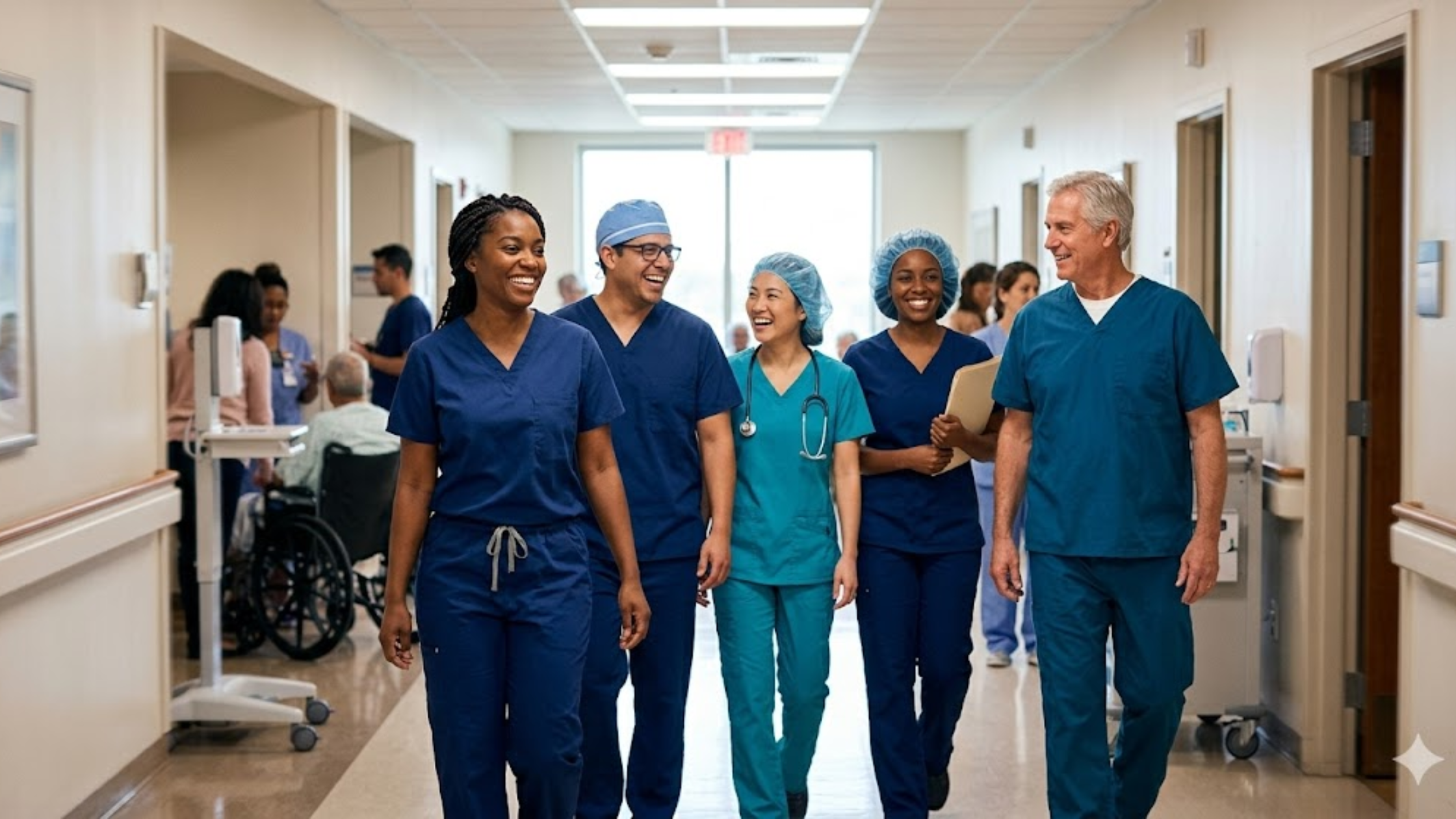
Healthcare team walking together

Finding the right healthcare talent or the right healthcare job in Worcester, MA requires a staffing partner who truly understands both the local market and the demands of the healthcare industry. Whether you are a healthcare facility struggling with staffing shortages or a healthcare professional seeking your next opportunity, working with a dedicated healthcare support staffing agency can make all the difference.

Why Worcester MA Needs Specialized Healthcare Staffing

Worcester is the second-largest city in Massachusetts and home to a robust network of hospitals, clinics, long-term care facilities, and specialty practices. With UMass Memorial Medical Center, Saint Vincent Hospital, and dozens of other healthcare providers operating in the region, demand for qualified healthcare workers is consistently high.

Generic employment agencies in Worcester MA often lack the industry-specific expertise needed to accurately vet clinical staff, understand licensing requirements, and match candidates to the right care settings. A specialized healthcare support staffing agency bridges that gap with focused recruitment, compliance support, and deep knowledge of the healthcare workforce landscape.

What Is a Healthcare Support Staffing Agency?

A healthcare support staffing agency is a specialized workforce solutions firm that connects healthcare organizations with qualified medical and support staff. Unlike general employment agencies, a healthcare-focused staffing agency understands the clinical, regulatory, and operational nuances of placing nurses, allied health professionals, medical assistants, home health aides, and other caregivers.

For facilities in Worcester, partnering with a staffing agency Worcester professionals trust means faster placements, reduced overtime burden on existing staff, and confidence that every candidate is properly credentialed and background-checked.

Services Offered by a Healthcare Staffing Agency in Worcester MA

Per Diem Staffing

Per diem staffing allows healthcare facilities to call in qualified staff on short notice to fill last-minute shift gaps. This is ideal for managing unexpected absences, seasonal demand spikes, and fluctuating patient census. A reliable healthcare support staffing agency maintains a pre-vetted roster of per diem professionals ready to step in at any time.

Contract and Travel Staffing

Short-term contracts and travel nursing assignments help Worcester healthcare facilities manage longer-term vacancies without committing to permanent hires. Contract staff from a trusted staffing agency worcester can cover weeks or months of need while you conduct a full-time search or await a licensing transfer.

Permanent Placement

For organizations looking to grow their permanent workforce, a healthcare support staffing agency can handle candidate sourcing, screening, skills assessment, and reference verification saving your HR team significant time and resources.

Allied Health and Support Staff Placement

Beyond nursing, employment agencies in Worcester MA that specialize in healthcare can also source physical therapists, occupational therapists, medical coders, phlebotomists, certified nursing assistants (CNAs), and administrative healthcare staff.

Benefits of Working with a Healthcare Support Staffing Agency in Worcester

For Healthcare Facilities

  • Faster time-to-fill for open positions, reducing operational disruption
  • Access to a pre-screened, credentialed candidate pool ready to work
  • Compliance support including licensure verification, background checks, and onboarding documentation
  • Flexible staffing models including per diem, contract, and permanent placement
  • Reduced recruitment costs compared to internal hiring processes

For Healthcare Professionals

  • Access to top healthcare employers and facilities in Worcester MA and across Massachusetts
  • Dedicated recruiter support to match your skills and preferences to the right roles
  • Flexible scheduling options including per diem, contract, and permanent positions
  • Competitive pay rates and benefits packages
  • Opportunity to grow your clinical experience across diverse settings

Why EmpowerCare Is a Trusted Healthcare Support Staffing Agency in Worcester MA

EmpowerCare is a healthcare support staffing agency dedicated to connecting skilled healthcare professionals with top-tier facilities across Massachusetts, including Worcester and the surrounding communities. As one of the most trusted employment agencies in Worcester MA for healthcare talent, EmpowerCare combines local market expertise with a national network of credentialed clinicians.

Our team works closely with healthcare facilities to understand their specific staffing needs and culture and equally closely with healthcare professionals to understand their career goals and preferred work environments. This dual commitment is what sets us apart from general staffing agency worcester options.

Our Placement Process

EmpowerCare’s streamlined placement process is designed to reduce time-to-fill without compromising quality:

  • Initial consultation to understand facility or candidate needs
  • Candidate sourcing from our pre-vetted talent pool and active recruitment channels
  • Thorough screening including skills assessment, reference checks, and background verification
  • Credential and license verification to ensure full compliance
  • Match and placement with ongoing post-placement support

Healthcare Roles We Staff in Worcester MA

As a full-service healthcare support staffing agency, EmpowerCare places professionals across a wide range of clinical and non-clinical roles, including:

  • Registered Nurses (RN) and Licensed Practical Nurses (LPN)
  • Certified Nursing Assistants (CNA) and Patient Care Technicians
  • Allied Health Professionals (PT, OT, SLP, Radiology, Lab)
  • Home Health Aides and Personal Care Attendants
  • Medical Assistants and Administrative Support Staff
  • Per Diem, Travel, and Permanent Healthcare Staff

Get Started with EmpowerCare Today

Whether you are a Worcester healthcare facility looking for reliable staffing solutions or a healthcare professional ready to explore new opportunities, EmpowerCare is the healthcare support staffing agency you can count on.

Contact us today to learn more about how our staffing agency Worcester Services can help you meet your workforce goals efficiently, compliantly, and with the care your patients deserve.

Frequently Asked Questions

  1. What does a healthcare support staffing agency do?
    A healthcare support staffing agency connects healthcare facilities with qualified medical and support staff for temporary or permanent roles.
  2. Why choose a healthcare staffing agency in Worcester MA?
    It helps healthcare facilities fill positions faster with pre-screened, licensed professionals and reduces hiring stress.
  3. What types of jobs are offered through staffing agencies?
    Jobs include nursing roles, allied health positions, medical assistants, CNAs, and administrative healthcare jobs.
  4. What is per diem healthcare staffing?
    Per diem staffing allows facilities to hire professionals on a short-term or as-needed basis for shift coverage.
  5. How can healthcare professionals find jobs in Worcester MA?
    They can connect with staffing agencies like EmpowerCare for flexible, well-matched job opportunities.

A Complete Guide to Emergency Room Nursing

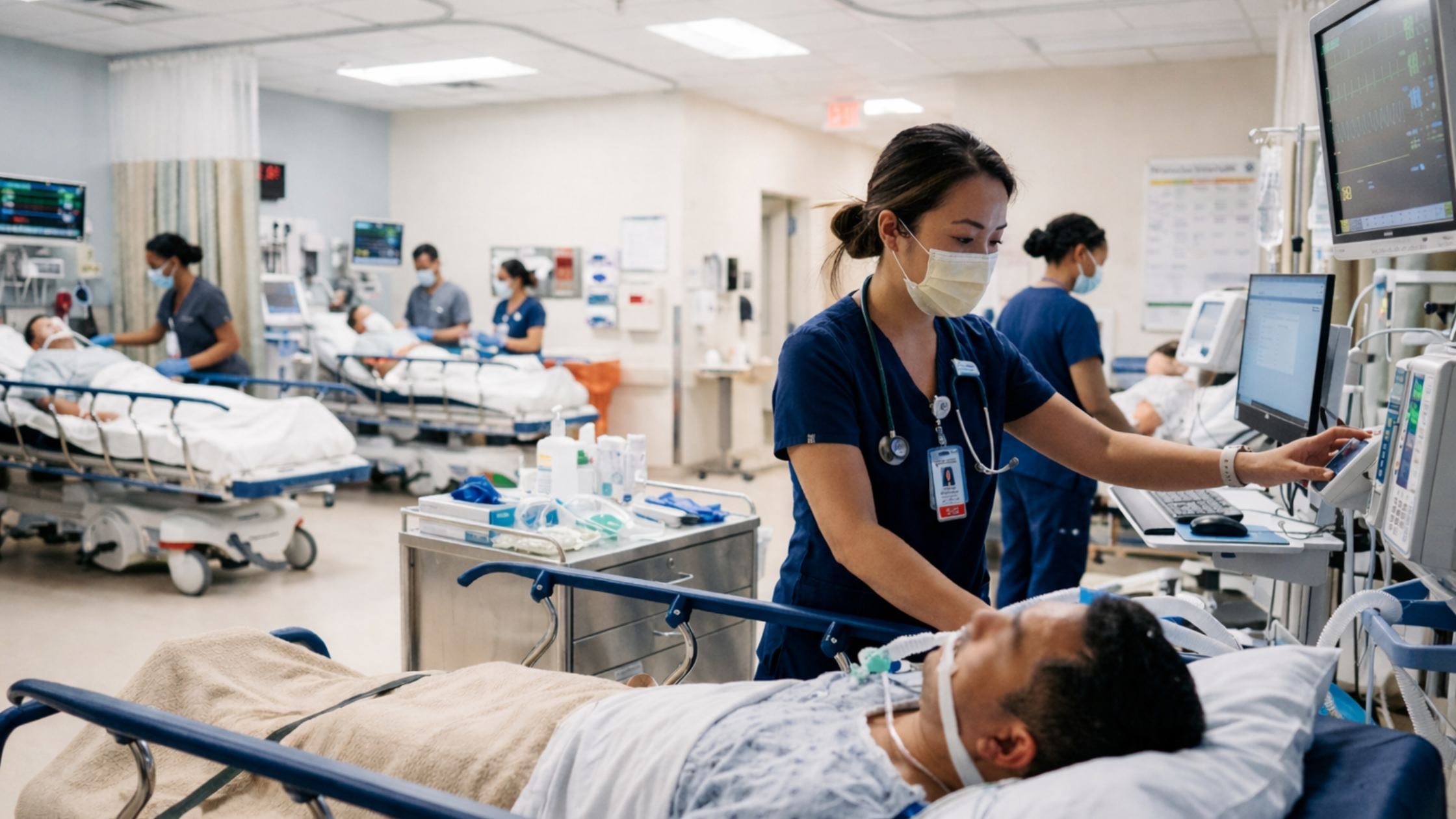
Emergency room nurse care

Whether you are just starting your healthcare career or considering a specialty shift, becoming an emergency room nurse is one of the most challenging and rewarding paths in the profession. This complete guide to emergency room nursing covers everything you need to know, from daily responsibilities and required skills to career outlook and how to find the right opportunities.

What Is an Emergency Room Nurse?

An emergency room nurse, commonly known as an ER nurse, is a registered nurse who specializes in providing immediate care to patients experiencing acute illnesses, traumatic injuries, or life-threatening conditions. Unlike nurses in other settings, an ER nurse must be prepared to treat a wide range of patients from a child with a high fever to an adult in cardiac arrest often at the same time.

Emergency nursing is a dynamic, fast-paced specialty that demands exceptional clinical skills, quick decision-making, and the ability to remain composed under pressure. Every shift is different, which is part of what makes it such a fulfilling career choice for many healthcare professionals.

Core Responsibilities of an Emergency Room Nurse

The day-to-day role of an emergency room nurse encompasses a wide spectrum of clinical and patient care duties. Here is a breakdown of what ER nurses typically do:

  • Triage patients upon arrival and assess the severity of their condition
  • Administer medications, IV fluids, and treatments as directed by physicians
  • Monitor vital signs and patient status continuously
  • Assist with emergency procedures such as intubation, wound care, and resuscitation
  • Coordinate care between physicians, specialists, and support staff
  • Document patient information accurately in the electronic health record (EHR)
  • Communicate diagnoses, updates, and discharge instructions to patients and families
  • Maintain readiness and stock emergency supplies and crash carts

Emergency nursing requires professionals who can shift priorities rapidly as new patients arrive and conditions change. The ability to multitask while staying focused on individual patient safety is a defining trait of a successful ER nurse.

Education and Licensing Requirements

Degree Requirements

To become an emergency room nurse, you must first obtain either an Associate Degree in Nursing (ADN) or a Bachelor of Science in Nursing (BSN). While both degrees qualify you to sit for the NCLEX-RN licensing exam, many hospitals and emergency departments prefer or require a BSN due to the complexity of care involved in emergency nursing.

Licensure

After completing your nursing degree, you must pass the NCLEX-RN examination to become a licensed registered nurse (RN). This is a mandatory step before you can practice as an ER nurse in any state.

Certifications for ER Nurses

While not always required for entry-level positions, earning specialty certifications significantly enhances your credibility and career prospects in emergency nursing. Key certifications include:

  • CEN (Certified Emergency Nurse) – The gold standard credential for ER nurses, offered by the Board of Certification for Emergency Nursing (BCEN)
  • ACLS (Advanced Cardiovascular Life Support) – Essential for managing cardiac emergencies
  • PALS (Pediatric Advanced Life Support) – Required for facilities treating pediatric patients
  • TNCC (Trauma Nursing Core Course) – Provides training for trauma care scenarios
  • BLS (Basic Life Support) – A baseline requirement for nearly all nursing positions

Skills Every ER Nurse Must Have

Emergency nursing demands a unique combination of technical expertise and interpersonal abilities. The most effective ER nurses demonstrate the following skills:

Clinical Proficiency

Emergency room nurses must be highly skilled in procedures such as IV insertion, wound management, catheterization, airway management, and cardiac monitoring. Confidence in clinical tasks is built through hands-on experience and continuous education.

Critical Thinking

An ER nurse encounters unpredictable situations constantly. Strong critical thinking skills allow them to analyze symptoms, anticipate complications, and act decisively when every second counts.

Communication

Clear and compassionate communication with patients, families, and the healthcare team is essential in emergency nursing. ER nurses serve as a bridge between frightened patients and complex medical information.

Stress Management and Resilience

Emergency nursing is emotionally and physically demanding. Successful ER nurses develop healthy coping mechanisms, lean on their team, and maintain emotional resilience to sustain long, intense careers.

Adaptability

No two shifts are alike in the ER. The ability to adjust quickly to changing patient loads, trauma scenarios, and evolving protocols is crucial for every emergency room nurse.

Work Environment and Shift Structure

Emergency room nurses typically work in hospital emergency departments, urgent care centers, freestanding ERs, or trauma centers. Most ER nurses work 12-hour shifts in a rotating schedule that may include nights, weekends, and holidays.

The physical demands of emergency nursing are significant ER nurses are on their feet throughout most shifts, frequently lifting or repositioning patients, and operating in high-sensory environments. Despite these demands, many ER nurses find the environment energizing and deeply purposeful.

Career Growth and Salary Expectations

Average Salary

The salary for an emergency room nurse varies depending on experience, location, and employer. According to the Bureau of Labor Statistics, registered nurses in the United States earn a median annual salary of over $80,000, with experienced ER nurses and travel nurses often earning significantly more. Specialized certifications like the CEN can further boost earning potential.

Career Advancement

Emergency nursing opens the door to numerous career advancement opportunities, including:

  • Charge Nurse or Nurse Manager roles within the ED
  • Trauma Coordinator or Flight Nurse positions
  • Nurse Practitioner or Clinical Nurse Specialist with an ER focus
  • Travel ER nurse roles that offer higher pay and flexibility
  • Education and training positions in emergency nursing programs

Travel and Per Diem ER Nursing

For emergency room nurses who crave variety and flexibility, travel nursing and per diem roles offer exciting alternatives to traditional full-time employment. Travel ER nurses take short-term assignments at hospitals across the country, earning competitive pay packages that often include housing stipends, health benefits, and travel allowances.

Per diem ER nurses, on the other hand, work on an as-needed basis for one or more healthcare facilities. This model offers maximum schedule flexibility and suits those who prefer to control their own workload. Both options allow skilled ER nurses to broaden their clinical experience while potentially increasing their income.

How to Find ER Nursing Jobs

Finding the right emergency room nurse position starts with knowing where to look. Here are the most effective strategies:

  • Partner with a healthcare staffing agency that specializes in emergency nursing placements. They offer access to exclusive job opportunities and handle the negotiation process on your behalf
  • Use professional networks such as the Emergency Nurses Association (ENA) and platforms like LinkedIn to connect with hiring managers
  • Apply directly to hospital systems with high-volume ERs and Level I or Level II trauma centers for the most challenging and rewarding experiences
  • Consider travel nursing contracts as a stepping stone to explore different hospitals, regions, and patient populations

Is Emergency Room Nursing Right for You?

Emergency nursing is not a career path for everyone, but for those who thrive in high-pressure environments, enjoy variety, and are driven by the ability to make an immediate difference in someone’s life, it can be deeply fulfilling. If you are compassionate, resilient, technically skilled, and genuinely energized by the unexpected, a career as an ER nurse may be exactly the right fit.

Final Thoughts

Emergency room nursing is one of the most respected and essential specialties in healthcare. Whether you are a new graduate eager to enter the field or an experienced nurse looking for a new challenge, emergency nursing offers unmatched career variety, purpose, and growth. With the right preparation, certifications, and support from a trusted staffing partner, you can build a successful and rewarding career as an emergency room nurse.

Ready to take the next step? EmpowerCare connects skilled ER nurses with top healthcare facilities across the country. Explore our current openings today.

Frequently Asked Questions

  1. What does an emergency room nurse do?
    An emergency room nurse provides immediate care to patients with injuries, illnesses, or life-threatening conditions in fast-paced hospital environments.
  2. What qualifications are needed to become an ER nurse?
    You need an ADN or BSN degree, pass the NCLEX-RN exam, and hold a valid RN license. Certifications like ACLS or CEN are also beneficial.
  3. Is emergency room nursing stressful?
    Yes, it is a high-pressure role, but it is also highly rewarding for those who can handle fast decision-making and critical situations.
  4. What skills are important for an emergency room nurse?
    Key skills include clinical expertise, critical thinking, communication, adaptability, and stress management.
  5. How can I find emergency room nurse jobs?
    You can apply through hospital websites, professional networks, or healthcare staffing agencies like EmpowerCare.

Beyond the Bedside: Leadership Pathways for Experienced ER Nurses 

We have all heard about the challenging times in the emergency room, but the real heroes are the emergency nurses, who record vitals, inform the doctors, and take immediate action to save suffering patients. The role of an emergency room nurse has always been one of intensity, precision, and resilience. In the ER, every second counts. Decisions are made quickly, often with incomplete information, and always under pressure. It is one of the few healthcare places where clinical knowledge and composure must work in perfect sync. But after years of managing trauma cases, coordinating with physicians, and stabilizing patients before they move to surgical nurse teams, many experienced ER nurses begin to feel a shift. The adrenaline is still there. The purpose is still there. Yet the question grows louder: Is there more I can do? But as an aspiring emergency nurse, you must be wondering what’s next? Is that all I will get from that career, or is there more to it? That’s why we are bringing this blog for the aspiring emergency nurses, as seasoned professionals, the journey does not end at bedside care. In fact, it often begins again, this time in leadership. 

Why ER Nurses Are Uniquely Positioned for Leadership 

Healthcare leadership is not built in boardrooms. It is built in high-stakes environments where accountability is immediate, and outcomes are real. The emergency department is one of the most demanding training grounds for leadership in the entire healthcare system. An experienced emergency room nurse learns how to prioritize chaos without losing clarity. They understand patient flow intuitively. They navigate interdisciplinary dynamics daily, especially during trauma cases that require seamless handoffs to surgical nurse teams. They mediate between distressed families and overextended physicians. They keep calm when everyone else feels overwhelmed. 

These are not just clinical traits. They are leadership foundations. 

Over time, ER nurses develop situational awareness, emotional intelligence, and decisive judgment. These competencies translate naturally into management, education, operations, and executive roles. The shift from bedside care to leadership is not a departure from nursing; it is an expansion of influence.

The First Step: Charge Nurse and Clinical Oversight 

For many professionals, leadership begins with stepping into the role of charge nurse. This position shifts the focus from managing assigned patients to overseeing the department’s broader operational rhythm. As a charge nurse, the emergency room nurse begins to think strategically. Staffing assignments are no longer about individual comfort but about balancing acuity, experience levels, and patient flow. When the department surges, the charge nurse makes the call on resource allocation. When tensions rise within the team, it is often the charge nurse who restores order. This role demands maturity and perspective. It requires seeing the entire system while still understanding the frontline reality. It is also where many nurses first recognize their ability to influence outcomes beyond direct patient care. 

Facilities that intentionally develop strong charge nurses often see improvements in efficiency and morale. When leadership is cultivated internally, institutional knowledge remains intact, and trust deepens within the team. 

Expanding Impact Through Education and Mentorship 

Another powerful leadership pathway for the experienced emergency room nurse is clinical education. Some professionals discover that their greatest impact lies in shaping the next generation of nurses. In high-acuity environments, onboarding and competency training are critical. A strong educator does more than review protocols; they model composure, reinforce ethical standards, and demonstrate how to think critically under pressure. They guide new nurses through the transition from theory to practice. In trauma cases, especially, coordination between ER staff and surgical nurse teams must be precise. Experienced ER nurses who step into educator roles often focus on improving handoffs, refining communication systems, and conducting simulation-based training to prepare teams for real-world crises. 

Education-driven leadership strengthens retention. It builds confidence among new hires and reinforces a culture of excellence. For facilities struggling with turnover, investing in clinical educators is no longer optional; it is strategic. 

Moving Into Departmental and Operational Leadership 

As experience grows, many ER professionals transition into nurse manager or emergency department director roles. This is where leadership becomes deeply strategic. 

In these positions, former emergency room nurses oversee staffing models, budgeting, policy implementation, and performance metrics. They analyse patient volume trends and develop staffing solutions that balance cost with quality care. They collaborate closely with surgical nurse leadership to ensure seamless trauma workflows from intake to the operating theatre. Operational leadership requires a broader skill set. Financial literacy becomes essential. So does data interpretation. Nurse managers must understand labour costs, compliance regulations, and patient satisfaction metrics. They must lead recruitment initiatives and participate in long-term workforce planning. 

What makes experienced ER nurses particularly effective in these roles is credibility. They have lived the frontline experience. When they advocate for staffing adjustments or policy changes, their perspective is grounded in reality. Teams trust leaders who understand the pressure of a full trauma bay. 

Cross-Department Leadership:  

One of the most impactful leadership evolutions occurs when ER professionals expand their scope across departments. The connection between an emergency room nurse and a surgical nurse is especially critical during trauma cases. 

Patients often move rapidly from ER stabilisation to emergency surgery. Any communication breakdown can have serious consequences. Experienced ER leaders who understand both environments can drive improvements in transition protocols, documentation systems, and interdisciplinary collaboration. 

Some nurses choose to pursue additional training in perioperative management, positioning themselves as leaders who understand both emergency stabilisation and surgical workflow. Others spearhead cross-departmental quality improvement initiatives to reduce delays and improve patient outcomes. 

In an era where healthcare systems emphasize integration, leaders who bridge departmental silos are invaluable. 

Executive-Level Opportunities and Strategic Influence 

For those who pursue advanced education in healthcare administration or leadership, the opportunities extend even further. Former emergency room nurses can rise to positions such as Director of Clinical Operations or Chief Nursing Officer. At this level, influence shifts from departmental oversight to system-wide strategy. Decisions impact staffing models across multiple facilities. Policies shape compliance standards and patient safety initiatives. Workforce transparency becomes a central priority. 

Healthcare is facing significant challenges, including staffing shortages, rising operational costs, and increasing patient demand. Leaders with first-hand ER experience bring practical insight into executive discussions. They understand not only the policy implications but also the real-world application. Leadership at this level requires vision. It requires balancing tradition with innovation, honouring the proven standards of nursing while adapting to emerging technologies and workforce trends. 

Preparing for the Leadership Transition 

Moving beyond bedside care does not happen automatically. It requires intentional growth. Experienced emergency room nurses who aspire to leadership often begin by seeking mentorship within their departments. They volunteer for committee work, quality improvement initiatives, and scheduling coordination. Many pursue leadership certifications or enrol in graduate programs in healthcare management. 

Just as importantly, they develop soft skills. Emotional intelligence becomes critical when leading peers. Strategic communication is necessary when presenting proposals to administrators. Financial understanding supports confident decision-making. 

Leadership is less about authority and more about influence. The strongest nurse leaders do not command respect; they earn it. 

The Future of ER Leadership 

Healthcare is evolving rapidly. Patient expectations are higher. Technology continues to reshape clinical practice. Workforce shortages demand smarter staffing solutions. In this environment, leadership is no longer optional; it is essential. Experienced emergency room nurses are uniquely equipped to guide this transformation. Their frontline perspective grounds executive decisions in reality. Their resilience inspires teams during periods of change. Their clinical insight bridges departments and strengthens systems. 

For ER professionals ready to take the next step, and for facilities seeking leaders who understand both urgency and strategy, the pathway forward is clear. With the right preparation and the right partner, leadership is not just a possibility. It is the natural next chapter. 

Empower Care stands ready to support that journey, connecting exceptional emergency room nurses and surgical nurses with organisations that value growth, excellence, and long-term impact. 

Because the future of healthcare will not be built solely at the bedside, it will be shaped by those bold enough to step beyond it. 

Frequently Asked Questions (FAQs)

1. What leadership opportunities are available for experienced ER nurses?

Experienced ER nurses can grow into roles like charge nurse, clinical educator, nurse manager, emergency department director, or even executive-level positions such as Chief Nursing Officer.

2. How can ER nurses transition from bedside care to leadership roles?

They can start by taking on responsibilities like mentoring, participating in committees, pursuing leadership certifications, and gaining experience in operational or administrative tasks.

3. Why are ER nurses well-suited for leadership positions?

ER nurses develop strong decision-making, crisis management, communication, and teamwork skills in high-pressure environments, making them natural leaders in healthcare settings.

4. How does Empower Care support career growth for healthcare professionals?

Empower Care connects skilled nurses with healthcare organizations that value leadership development, career advancement, and long-term professional growth opportunities.

5. What skills are essential for ER nurses to succeed in leadership roles?

Key skills include emotional intelligence, strategic thinking, communication, financial awareness, team management, and the ability to handle high-pressure situations effectively.

Your journey is yours, but you don’t have to walk it alone. Let Empower Care help you rise.

Learn More: Why Nurses Choose Per Diem Careers