

Creating Continuity of Care Through Smarter Mental Health Staffing Solutions

Mental Health Staffing Solutions

Mental health has become a growing concern worldwide. Mental health care is built on relationships, trust, and consistency. Unlike many healthcare interactions that may occur during a single appointment or procedure, mental health treatment often unfolds over weeks, months, or even years. Patients rely on familiar providers, coordinated care plans, and supportive healthcare teams to make meaningful progress in their mental wellness journey.

But what happens when staffing shortages disrupt that continuity? A therapist leaves unexpectedly. The case manager position has remained vacant for months. Administrative backlogs delay patient appointments. Existing staff become overwhelmed, leading to burnout and turnover. Suddenly, continuity of care begins to break down, affecting not only healthcare providers but also the patients who depend on them.

This challenge is becoming increasingly common across behavioural health organizations, community clinics, hospitals, and private practices nationwide. As demand for mental health services continues to rise, organizations must find smarter ways to build stable, reliable, and resilient teams. Mental Health Staffing Solutions play a vital role in helping healthcare organizations maintain consistent care by filling workforce gaps with qualified professionals and supporting long-term staffing stability.

That is why we are bringing you this blog. Whether you are a healthcare organization looking for experienced professionals or a mental healthcare worker searching for new career opportunities, understanding how effective staffing strategies support continuity of care can help you make informed decisions.


Why Continuity of Care Matters in Mental Health

In behavioural health settings, consistency is often as important as clinical expertise. Patients dealing with anxiety, depression, trauma, substance use disorders, and other mental health conditions frequently build strong therapeutic relationships with their care providers. These relationships form the foundation for trust, communication, and successful treatment. When staffing disruptions occur, patients may experience:

  • Interrupted treatment plans
  • Reduced engagement in therapy
  • Increased anxiety and uncertainty
  • Delayed appointments
  • Poorer health outcomes

For organizations, staffing instability can result in:

  • Higher turnover rates
  • Increased employee burnout
  • Lower patient satisfaction
  • Administrative inefficiencies
  • Revenue loss from unfilled positions

Maintaining continuity of care requires more than simply filling vacancies. It requires building a workforce strategy that supports long-term stability while remaining flexible enough to adapt to changing needs.


The Growing Workforce Challenge in Behavioural Health

Mental health services are experiencing unprecedented demand.

Communities across the country are facing shortages of licensed counsellors, social workers, psychiatric nurses, behavioural health specialists, and support staff. At the same time, many healthcare professionals are revaluating their career goals, seeking better work-life balance, and exploring new employment opportunities. As a result, organizations are competing for a limited pool of qualified talent. Traditional hiring methods often struggle to keep pace with these challenges. Lengthy recruitment processes, limited candidate pipelines, and increasing turnover rates can leave critical positions unfilled for extended periods. This is why many organizations are turning to specialized mental health staffing agencies to strengthen their workforce strategies.


Smarter Staffing Means More Than Filling Open Positions

The most effective staffing solutions focus on long-term workforce health rather than short-term fixes. A smart staffing strategy helps organizations:

  • Reduce vacancy periods
  • Improve employee retention
  • Support workforce flexibility
  • Strengthen patient care continuity
  • Build stronger organizational cultures

Rather than reacting to staffing crises after they occur, healthcare leaders can proactively create systems that keep care teams fully supported and operational. The result is a more stable environment for both patients and employees.


The Critical Role of Mental Health Staffing Agencies

Healthcare organisations increasingly recognise that staffing is not merely an HR function; it is a patient-care strategy. Mental health staffing agencies serve as valuable partners by helping organisations identify qualified professionals who align with both clinical requirements and organisational culture. These agencies provide access to broader talent networks, faster hiring processes, and specialized recruitment expertise. The benefits include:


Faster Access to Qualified Talent

Behavioural health positions often remain open for months due to talent shortages. Staffing partners help organisations reach candidates who may not be actively searching through traditional job boards, reducing time-to-hire and minimising disruptions in care delivery.


Improved Workforce Flexibility

Patient volumes can fluctuate significantly. Organizations may need temporary, contract, or permanent professionals depending on operational demands. Staffing agencies help employers scale their workforce efficiently while maintaining quality standards.


Better Candidate Matching

A successful hire involves more than qualifications alone.

The right candidate must align with the organisation’s mission, culture, patient population, and care model. Specialised staffing agencies help create stronger matches, which contribute to long-term retention.


Why Non-Clinical Roles Are Essential to Continuity of Care

When people think about mental health staffing, they often focus solely on therapists, counsellors, psychiatrists, and nurses. However, effective care delivery depends on a much broader workforce. This is where non-clinical healthcare staffing becomes incredibly important. Behind every successful patient interaction are professionals who manage scheduling, billing, patient intake, care coordination, insurance verification, data management, and administrative operations. Without these team members, even the most qualified clinicians may struggle to provide effective care. Consider a scenario in which a behavioural health clinic has excellent therapists but insufficient administrative support. Patients may face delayed appointments, communication breakdowns, billing errors, or difficulties accessing services. These operational issues directly affect patient satisfaction and continuity of care. Strong non-clinical healthcare staffing ensures that patients experience a seamless journey from their first phone call through ongoing treatment.


The Value of Healthcare Support Professionals

Mental health care is a team effort. Healthcare support professionals often serve as the connective tissue that keeps organizations functioning efficiently.

These roles may include:

  • Patient coordinators
  • Intake specialists
  • Medical receptionists
  • Behavioural health support staff
  • Administrative assistants
  • Care coordinators
  • Billing specialists

A reliable healthcare support staffing agency helps organizations secure these critical professionals while maintaining operational consistency. When support staff positions remain vacant, clinicians often absorb additional administrative responsibilities. This increases stress, contributes to burnout, and reduces the time available for patient care. Conversely, fully staffed support teams allow clinical professionals to focus on what they do best: helping patients.


Why Workforce Planning Is the Future of Mental Health Care

The healthcare industry can no longer afford to view staffing as a reactive process. Organizations that consistently deliver exceptional patient experiences understand the importance of proactive workforce planning. This includes:

  • Forecasting staffing needs
  • Building talent pipelines
  • Supporting employee retention
  • Investing in support staff
  • Partnering with specialized staffing experts

The organizations that embrace these strategies today will be better positioned to meet tomorrow’s growing demand for mental health services. 


Final Thought – 

Continuity of care is one of the most important factors in successful mental health treatment. Patients depend on stable relationships, coordinated services, and reliable healthcare teams to achieve positive outcomes. Creating that stability requires more than filling vacancies. It requires strategic workforce planning, strong support systems, and partnerships that prioritize long-term success. For employers, smarter staffing solutions can reduce turnover, improve retention, and strengthen patient care. For employees, the right staffing partner can open doors to rewarding opportunities and sustainable career growth. As demand for behavioural health services continues to rise, organisations that invest in workforce stability today will be better equipped to serve their communities tomorrow. With the support of experienced mental health staffing agencies, comprehensive non-clinical healthcare staffing solutions, and a trusted healthcare support staffing agency like Empower Care, continuity of care becomes more than a goal; it becomes a sustainable reality.
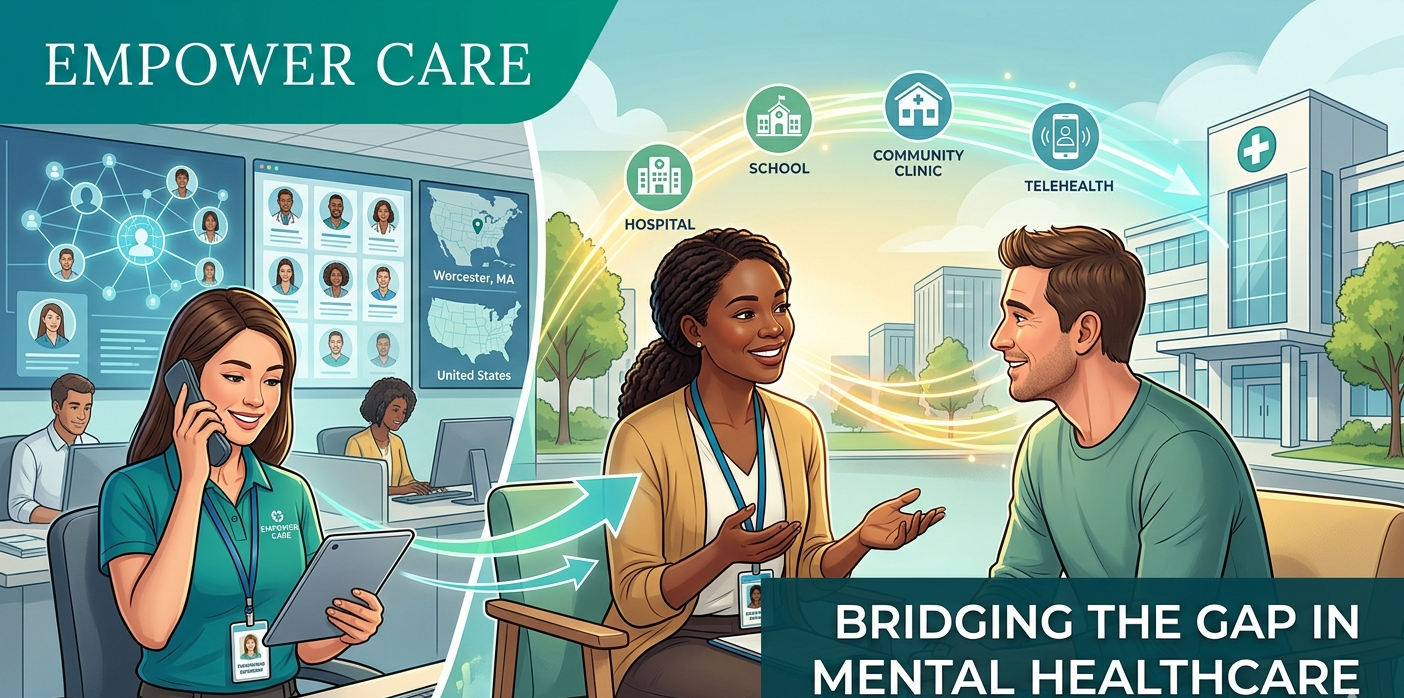
The Rising Demand for Mental Health Professionals, and How Staffing Agencies Are Bridging the Gap

healthcare support staffing agency

We have spoken about mental health and illness in pre-pandemic times as well, but during and post-pandemic, there was a high surge in the need for mental health professionals. People working in different industries were either stuck at home, families were coping with difficult times, many lost their loved ones, and many lost their earnings. Indeed, mental health has moved from the sidelines of healthcare to the centre of the conversation. In recent years, communities across the United States have recognized the urgent need for accessible, quality mental health services. From hospitals and rehabilitation centres to schools and community clinics, the demand for qualified mental health professionals has grown rapidly. Yet while demand continues to rise, healthcare institutions face a significant challenge: there aren’t enough professionals to meet it. This growing gap between need and workforce availability has created new pressures for healthcare systems. Facilities must balance patient Care, compliance, and staffing shortages, often simultaneously. That’s where a healthcare support staffing agency becomes essential. By connecting skilled mental health professionals with healthcare institutions that need them most, staffing agencies play a critical role in strengthening the healthcare workforce. For healthcare professionals seeking rewarding career opportunities and organizations striving to build strong mental health teams, it is the most difficult time anyone will ever remember.  

Why the Demand for Mental Health Professionals Is Rising

It is not just some silly trend that we see on social media, where celebrities post about their mental stress and depression, and everyone starts following the Me Too campaign. Mental health issues are serious concerns, pre-pandemic, during, or post-pandemic; we all have seen how everyone has suffered. Actually, during the pandemic, we all needed a guide to navigate the challenging times. The demand for mental health services has grown steadily over the past decade, but several factors have accelerated this need dramatically.

1. Increased Awareness and Reduced Stigma

For many years, mental health struggles were often misunderstood or ignored. Today, there is greater awareness of conditions such as anxiety, depression, PTSD, and substance use disorders. Public education campaigns, advocacy efforts, and open conversations about mental wellness have helped reduce stigma and encouraged more people to seek help. As a result, healthcare providers are seeing a significant increase in patients seeking mental health care, which naturally requires a larger workforce of professionals trained in counselling, therapy, psychiatry, and behavioural health support.

2. Post-Pandemic Mental Health Challenges

The COVID-19 pandemic created long-lasting psychological impacts. Social isolation, financial stress, grief, and uncertainty affected millions of people worldwide. Even years later, healthcare systems continue to experience a surge in patients seeking mental health services. Hospitals, outpatient clinics, and community health organizations are expanding mental health programs, but without enough trained professionals, meeting patient needs remains a challenge.

3. Growing Demand Across Multiple Settings

Mental health services are no longer limited to psychiatric facilities. It is the awareness to seek medical help that has had a significant impact on the demand; people now do not associate mental health issues with mental asylums. They can see that medical professionals have actually relieved them from their stress, anxiety and depression, before it could go worse. Today, mental health professionals are needed in a wide range of environments, including:

  • Hospitals and emergency departments
  • Community health centres
  • Schools and universities
  • Rehabilitation and recovery facilities
  • Telehealth services
  • Long-term care facilities

This expansion means the workforce demand is broader than ever before. Healthcare institutions are seeking psychologists, counsellors, psychiatric nurses, social workers, and behavioural health specialists to provide Care across diverse patient populations. 

The Mental Health Workforce Shortage

Given growing awareness and increasing demand, the mental health workforce has struggled to keep pace. Several factors contribute to this shortage:

Burnout and Workforce Fatigue

Mental health professionals often work in emotionally demanding environments. High patient volumes, administrative pressures, and complex cases can lead to burnout. Some professionals choose to reduce their hours or leave the field entirely, further tightening the workforce.

Lengthy Education and Licensing Requirements

Becoming a licensed mental health professional requires years of education, supervised clinical training, and licensing exams. While these requirements ensure high-quality Care, they also limit how quickly new professionals can enter the workforce.

Geographic Disparities

Many regions, especially rural and mid-sized cities, face challenges in attracting and retaining mental health professionals. Healthcare institutions may struggle to fill critical roles even when they actively recruit. Communities like Worcester, Massachusetts, are experiencing increased demand for healthcare professionals across multiple specialties. As a result, employment agencies in Worcester MA, are playing an increasingly important role in connecting qualified professionals with healthcare organizations that need them.

How Mental Health Staffing Agencies Are Addressing the Gap

As healthcare institutions search for solutions to staffing shortages, mental health staffing agencies have become an important part of the workforce ecosystem. These agencies help bridge the gap between professionals seeking meaningful work and healthcare facilities needing reliable staffing solutions.

Faster Access to Qualified Professionals

Healthcare organizations often face urgent staffing needs. Whether a facility needs temporary coverage, long-term placements, or specialized professionals, staffing agencies can quickly identify candidates with the right qualifications. Instead of navigating lengthy recruitment processes, facilities can access a network of pre-screened professionals who are ready to contribute immediately.

Flexible Workforce Solutions

Modern healthcare environments require flexibility. Staffing agencies help institutions adapt by providing:

  • Temporary staffing during high-demand periods
  • Contract-based professionals for specialized roles
  • Permanent placement services for long-term workforce planning

This flexibility allows healthcare organizations to maintain consistent patient care without overburdening existing staff.

Expanding Opportunities for Professionals

Mental health professionals also benefit from working with a healthcare support staffing agency. Agencies provide access to a variety of opportunities that professionals might not otherwise discover.

These opportunities may include:

  • New clinical environments
  • Flexible schedules
  • Competitive compensation packages
  • Career advancement opportunities

For professionals seeking balance or exploring different specialities, staffing agencies open doors to meaningful career growth.

The Importance of the Right Staffing Partner

Not all staffing solutions are created equal. Healthcare institutions and professionals alike need a partner that understands the unique challenges of the healthcare industry.

The right staffing agency offers more than job placements; it provides guidance, support, and a commitment to long-term success.

A trusted staffing partner typically focuses on:

  • Understanding the needs of healthcare facilities
  • Matching professionals with roles that fit their skills and goals
  • Maintaining compliance with healthcare regulations
  • Supporting both employers and employees throughout the placement process

This partnership approach helps create stable, productive relationships that benefit both healthcare providers and patients. It plays an important role in connecting qualified professionals with healthcare organisations that need them.

Meeting the Future Demand for Mental Health Professionals

The demand for mental health services is expected to continue growing in the coming years. As communities prioritize mental wellness and healthcare systems expand behavioural health programs, the need for qualified professionals will remain strong. Bridging the gap between demand and workforce availability will require innovative solutions, strong partnerships, and dedicated professionals committed to making a difference. Staffing agencies will remain an important part of this effort, helping healthcare institutions maintain strong teams while supporting professionals in building fulfilling careers. For those navigating the evolving healthcare workforce, working with experienced employment agencies in Worcester, MA, such as Empower Care, can provide the connections, support, and opportunities needed to move forward with confidence. Whether you are a mental health professional searching for your next opportunity or a healthcare institution seeking skilled talent, Empower Care is ready to help you build the future of healthcare, one meaningful connection at a time. Empower Care stands out as a dedicated partner for both healthcare professionals and healthcare institutions. With a strong understanding of the industry and a commitment to quality placements, the agency helps strengthen healthcare teams while supporting meaningful careers. As a trusted healthcare support staffing agency, Empower Care focuses on building relationships, not just filling positions. By understanding the goals of both employers and professionals, the agency creates placements that benefit everyone involved.

Frequently Asked Questions (FAQs)

1. Why is the demand for mental health professionals increasing in the United States?

The demand for mental health professionals has increased due to greater awareness, reduced stigma, and the long-term effects of the COVID-19 pandemic. As more people seek counseling and behavioural health services, mental health staffing agencies help connect qualified professionals with healthcare organizations to meet growing patient needs.

2. What roles do mental health professionals typically fill in healthcare settings?

Mental health professionals work in a variety of roles, including psychologists, licensed counselors, psychiatric nurses, social workers, and behavioral health specialists. They provide services such as therapy, crisis intervention, mental health assessments, and long-term treatment support across hospitals, clinics, schools, and rehabilitation centers.

3. How do healthcare staffing agencies help address the mental health workforce shortage?

Healthcare staffing agencies help bridge the workforce gap by connecting qualified professionals with healthcare institutions that need immediate support. They provide temporary staffing, contract-based professionals, and permanent placements, allowing healthcare organizations to maintain consistent patient care even during staffing shortages.

4. What are the benefits of working with a mental health staffing agency for professionals?

Working with a staffing agency allows mental health professionals to access a wider range of career opportunities. These may include flexible schedules, competitive compensation, new clinical environments, and opportunities to gain experience in different healthcare settings.

5. Why should healthcare organizations partner with a healthcare support staffing agency?

Healthcare organizations benefit from staffing agencies because they gain faster access to qualified professionals, reduce recruitment time, and maintain operational efficiency. A trusted staffing partner also ensures compliance with healthcare regulations and helps build stable, long-term workforce solutions.

Your journey is yours, but you don’t have to walk it alone. Let Empower Care help you rise.

Learn More: Why Nurses Choose Per Diem Careers