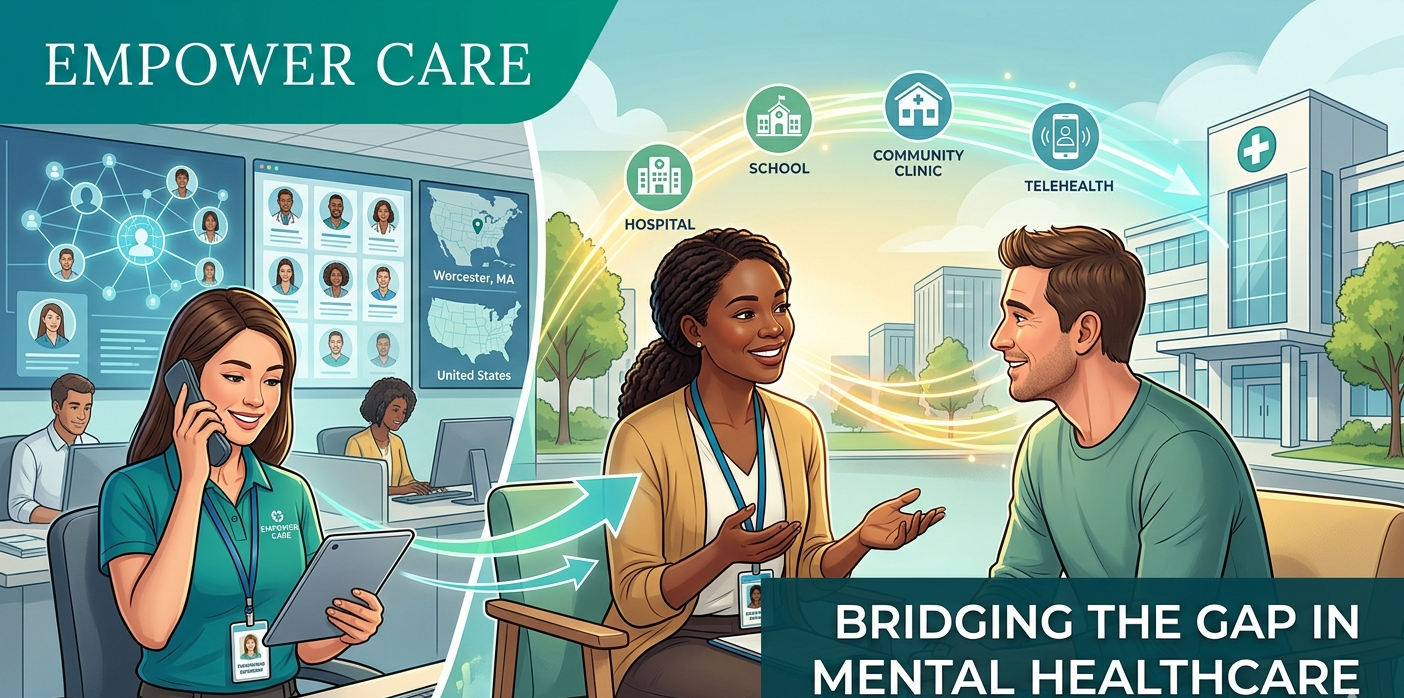
Behavioral Health Staffing Strategies for Better Care

Behavioral health staffing team planning coordinated mental health services and patient support

Behavioral health organizations need a workforce that can respond to complex clinical, emotional, social, and safety needs across multiple care settings. A staffing plan must account for professional licenses, crisis capabilities, therapeutic roles, direct care support, supervision, scheduling, and continuity. Behavioral health staffing is therefore more than recruiting clinicians. It is the deliberate design of a multidisciplinary team that can provide timely, coordinated, person-centered services.

The challenge is substantial. SAMHSA reports serious shortages across behavioral health professionals and paraprofessionals, and a 2026 advisory notes that more than one-third of Americans live in areas with behavioral health workforce shortages. Facilities can improve reliability through forecasting, role design, screening, retention, flexible staffing, and qualified mental health staffing agencies.

What Is Behavioral Health Staffing?

Behavioral health staffing is the recruitment, selection, credentialing, scheduling, deployment, and retention of professionals who support mental health, substance use, emotional well-being, and related behavioral needs. CDC describes behavioral health as an umbrella that includes mental health, suicidal thoughts and behaviors, and substance use.

The workforce may include psychiatrists, psychiatric nurse practitioners, registered nurses, psychologists, licensed clinical social workers, mental health counselors, substance use counselors, case managers, behavioral health technicians, peer support specialists, and home-based care professionals. The appropriate team depends on the service model and the scope of each role.

Why Behavioral Health Staffing Requires a Specialized Strategy

Behavioral settings may require population-specific experience, de-escalation, crisis protocols, substance use knowledge, trauma-informed care, and multidisciplinary teamwork. Facilities must also confirm licenses, supervision, background requirements, and scope of practice.

Continuity can support trust and engagement, while frequent changes may disrupt treatment plans and communication. Facilities still need flexible coverage for leave, vacancies, census changes, new programs, and crisis demand.

Core Behavioral Health Roles and Staffing Priorities

Role Primary contribution Key staffing priority
Psychiatrist / Psychiatric NP Diagnosis, medication management, clinical leadership License, prescribing authority, population experience
Behavioral health RN Assessment, medication support, monitoring, care coordination Psychiatric experience, safety and crisis skills
Psychologist Assessment, testing, therapy, consultation License, specialty and assessment competence
LCSW / Licensed counselor Therapy, care planning, psychosocial support Active license, modality and population fit
Substance use counselor SUD counseling, recovery support, treatment planning State credential, program-model experience
Behavioral health technician Observation, milieu support, daily activities, documentation De-escalation, boundaries, reliable reporting
Case manager Service coordination, discharge planning, resource access Local systems knowledge and documentation skills
Peer support specialist Recovery-oriented support using lived experience Certification where required, role clarity, supervision
Home-based support professional Structured support in the home and community Safety planning, boundaries, travel reliability


10 Behavioral Health Staffing Strategies That Improve Reliability

1. Forecast Demand by Program, Shift, and Acuity

Use historical census, referral volume, appointment demand, leave, turnover, crisis patterns, and new program plans to estimate workforce needs. A monthly headcount total is not enough. Leaders need to know which credentials, specialties, shifts, and locations will be under pressure. Forecasting also helps mental health staffing agencies search for the correct candidates before a vacancy becomes an emergency.

2. Build the Team Around a Defined Skill Mix

Start with the services the program must deliver, then identify which roles can perform each function within scope. Do not use licensed clinicians for every operational task if trained technicians, case managers, peer specialists, or coordinators can perform appropriate work. Conversely, do not assign clinical responsibilities to support staff. Clear role design improves accountability and makes recruitment more focused.

3. Use Competency-Based Screening

A license confirms legal eligibility, not complete readiness for every setting. Screening should assess population experience, crisis response, documentation, teamwork, communication, boundaries, and familiarity with the program model. A residential adolescent program, an inpatient psychiatric unit, and an outpatient substance use clinic require different experience even when some job titles overlap.

4. Standardize Credentialing and Compliance Checks

Create a role-specific checklist for licenses, certifications, education, work history, references, background screening, health requirements, required training, and exclusions checks. Verify information through appropriate primary sources where required. Maintain expiration alerts and recredentialing workflows. Because rules vary, facilities and staffing partners should confirm current federal, state, payer, and accreditation requirements before placement.

5. Make Trauma-Informed and De-escalation Skills Part of Readiness

Behavioral health workers need more than technical credentials. Orientation should address trauma-informed principles, communication, patient rights, boundaries, cultural responsiveness, de-escalation, emergency procedures, and incident reporting. Training must match the facility’s population and policies. Staff should understand when to seek help rather than attempting interventions beyond their role or competence.

6. Protect Continuity Wherever Possible

Use repeat agency professionals, consistent treatment teams, planned handoffs, and documented coverage plans. Assign primary and backup responsibilities so information is not lost during leave or turnover. For therapy and case management roles, continuity should be considered during scheduling and caseload decisions. When a transition is necessary, communicate it early and support a structured handoff.

7. Create Flexible Coverage Without Creating Chaos

Per diem, local contract, temp-to-hire, and permanent staffing can serve different needs. A facility may use permanent clinicians for core caseloads, local contracts for vacancies or expansion, and per diem professionals for call-outs or fluctuating census. Clear orientation, scheduling rules, supervision, and documentation expectations help flexible staff integrate safely.

8. Strengthen Retention Through Work Design

Recruitment cannot solve a workplace that repeatedly loses employees. Review caseloads, supervision access, schedule predictability, safety support, documentation burden, compensation, onboarding, and career growth. Stay interviews and early check-ins can identify problems before resignation. Retention efforts should include paraprofessionals and support roles, not only licensed clinicians.

9. Use Data to Manage Access and Workforce Performance

Track vacancy rate, time to fill, appointment wait time, unfilled shifts, overtime, turnover, cancellations, caseload, continuity, credential compliance, and incident follow-up. Use the data to identify operational barriers, not to make simplistic judgments about individual clinicians. Metrics should be reviewed alongside patient needs, service quality, and staff feedback.

10. Establish Strong Agency Governance

When using mental health staffing agencies, assign an internal owner for requests, orientation, performance feedback, and escalation. Agree on candidate requirements, response times, credential documentation, cancellation rules, replacement procedures, confidentiality, and reporting. A staffing agency should function as an accountable workforce partner, not an unmanaged source of resumes.

How Mental Health Home Care Services Fit the Workforce Plan

Mental health home care services can extend support beyond hospitals and clinics by helping people maintain routines, follow care plans, connect with resources, and receive appropriate services in their home or community. Staffing may involve psychiatric nurses, social workers, case managers, therapists, home health aides, personal care professionals, or behavioral support workers, depending on the program and state rules.

Home-based staffing requires additional planning because employees often work independently and travel between locations. Programs should address personal safety, communication, missed visits, emergency escalation, supervision, documentation, privacy in the home, boundaries, transportation, and coordination with the broader care team. Support staff must never be expected to diagnose, prescribe, or provide therapy outside their authorized scope.

  • Match workers to the individual’s needs, environment, language, culture, and risk level.
  • Define the purpose and limits of each visit in the care plan.
  • Provide reliable on-call clinical and supervisory support.
  • Use secure documentation and communication processes away from the facility.
  • Plan for travel time, cancellations, weather, and geographic coverage.
  • Coordinate handoffs between home, outpatient, emergency, and inpatient services when appropriate.

Choosing Among Mental Health Staffing Agencies

The best agency is not simply the one that sends the most candidates. It should understand behavioral health roles, verify qualifications, ask detailed questions about the setting, and communicate honestly about availability. Facilities should evaluate both candidate quality and the agency’s operational reliability.

  • Behavioral health specialization and experience with your care setting
  • Primary-source license verification and role-specific credentialing
  • Screening for population, crisis, documentation, and teamwork experience
  • Ability to provide repeat professionals and consistent contract teams
  • Transparent rates, cancellation terms, conversion terms, and minimum hours
  • Rapid response to call-outs, incidents, complaints, and performance concerns
  • Clear confidentiality, data protection, and record-retention practices
  • References or performance evidence from comparable programs

A Practical Behavioral Health Staffing Scorecard

Domain Example measures
Access Time to fill, vacancy rate, appointment wait time, unfilled shifts
Continuity Repeat staff rate, handoff completion, provider changes, caseload stability
Workforce health Turnover, overtime, sick time, supervision access, training completion
Compliance Credential completion, expiration alerts, documentation audits, incident follow-up
Quality and experience Patient feedback, staff feedback, complaints, care-plan completion
Agency performance Candidate acceptance, attendance, cancellations, replacement time, responsiveness


No single metric proves quality. Leaders should review trends together because longer wait times may reflect shortages, scheduling problems, referral growth, or a specialty mismatch.

Common Behavioral Health Staffing Mistakes

  • Hiring by job title without confirming specialty, population, and setting experience
  • Using credentials as a substitute for competency screening
  • Failing to define supervision and escalation for temporary staff
  • Allowing caseloads or overtime to grow without reviewing retention risk
  • Changing providers frequently without structured handoffs
  • Expanding home-based services without travel, safety, and on-call planning
  • Measuring the agency only by fill rate instead of attendance, continuity, and performance
  • Making claims about improved outcomes without reliable data and appropriate context

Conclusion: Build a Workforce That Supports Continuity and Access

Behavioral health staffing works best when workforce planning is connected to clinical services, patient needs, supervision, safety, compliance, and retention. Facilities should define the right skill mix, verify credentials, assess competencies, protect continuity, and use flexible staffing for specific operational needs. Qualified mental health staffing agencies can support this strategy by providing access to specialized professionals, but the facility remains responsible for clear requirements, orientation, oversight, and quality management. The result is a more reliable system for delivering behavioral and mental health services across inpatient, outpatient, residential, and home-based settings.

Frequently Asked Questions

What is behavioral health staffing?

It is the recruitment, credentialing, scheduling, placement, and retention of professionals who support mental health, substance use, emotional well-being, and related behavioral needs.

Which roles are included in behavioral health staffing?

Common roles include psychiatrists, psychiatric NPs, nurses, psychologists, social workers, counselors, behavioral health technicians, case managers, peer specialists, and home-based support professionals.

Why are behavioral health workers difficult to recruit?

Demand, geographic shortages, licensing requirements, specialty needs, emotional workload, supervision capacity, compensation, and schedule demands can all restrict the available talent pool.

How can facilities improve behavioral health staff retention?

Review caseloads, schedule predictability, safety, supervision, onboarding, documentation burden, compensation, team support, and advancement opportunities. Early check-ins can reveal avoidable problems.

What should mental health staffing agencies verify?

They should verify role-specific licenses, certifications, education, work history, references, background requirements, training, and other required credentials using appropriate sources.

Can staffing agencies provide behavioral health professionals for short-term needs?

Yes. Depending on availability and local requirements, agencies may provide per diem, contract, temp-to-hire, or permanent professionals for vacancies, leave, new programs, and census changes.

What are mental health home care services?

They are authorized mental health and supportive services delivered in a person’s home or community. The workforce and permitted tasks depend on the program, care plan, state rules, and professional scope.

How should a facility measure behavioral staffing performance?

Track access, vacancy rate, time to fill, continuity, turnover, overtime, credential compliance, attendance, supervision, patient experience, and incident follow-up rather than relying on fill rate alone.

What is the most important behavioral health staffing strategy?

There is no single strategy. The strongest approach combines accurate demand forecasting, a role-based skill mix, competency screening, reliable supervision, continuity, retention, and flexible coverage.


Creating Continuity of Care Through Smarter Mental Health Staffing Solutions

Mental Health Staffing Solutions

Mental health has become a growing concern worldwide. Mental health care is built on relationships, trust, and consistency. Unlike many healthcare interactions that may occur during a single appointment or procedure, mental health treatment often unfolds over weeks, months, or even years. Patients rely on familiar providers, coordinated care plans, and supportive healthcare teams to make meaningful progress in their mental wellness journey.

But what happens when staffing shortages disrupt that continuity? A therapist leaves unexpectedly. The case manager position has remained vacant for months. Administrative backlogs delay patient appointments. Existing staff become overwhelmed, leading to burnout and turnover. Suddenly, continuity of care begins to break down, affecting not only healthcare providers but also the patients who depend on them.

This challenge is becoming increasingly common across behavioural health organizations, community clinics, hospitals, and private practices nationwide. As demand for mental health services continues to rise, organizations must find smarter ways to build stable, reliable, and resilient teams. Mental Health Staffing Solutions play a vital role in helping healthcare organizations maintain consistent care by filling workforce gaps with qualified professionals and supporting long-term staffing stability.

That is why we are bringing you this blog. Whether you are a healthcare organization looking for experienced professionals or a mental healthcare worker searching for new career opportunities, understanding how effective staffing strategies support continuity of care can help you make informed decisions.


Why Continuity of Care Matters in Mental Health

In behavioural health settings, consistency is often as important as clinical expertise. Patients dealing with anxiety, depression, trauma, substance use disorders, and other mental health conditions frequently build strong therapeutic relationships with their care providers. These relationships form the foundation for trust, communication, and successful treatment. When staffing disruptions occur, patients may experience:

  • Interrupted treatment plans
  • Reduced engagement in therapy
  • Increased anxiety and uncertainty
  • Delayed appointments
  • Poorer health outcomes

For organizations, staffing instability can result in:

  • Higher turnover rates
  • Increased employee burnout
  • Lower patient satisfaction
  • Administrative inefficiencies
  • Revenue loss from unfilled positions

Maintaining continuity of care requires more than simply filling vacancies. It requires building a workforce strategy that supports long-term stability while remaining flexible enough to adapt to changing needs.


The Growing Workforce Challenge in Behavioural Health

Mental health services are experiencing unprecedented demand.

Communities across the country are facing shortages of licensed counsellors, social workers, psychiatric nurses, behavioural health specialists, and support staff. At the same time, many healthcare professionals are revaluating their career goals, seeking better work-life balance, and exploring new employment opportunities. As a result, organizations are competing for a limited pool of qualified talent. Traditional hiring methods often struggle to keep pace with these challenges. Lengthy recruitment processes, limited candidate pipelines, and increasing turnover rates can leave critical positions unfilled for extended periods. This is why many organizations are turning to specialized mental health staffing agencies to strengthen their workforce strategies.


Smarter Staffing Means More Than Filling Open Positions

The most effective staffing solutions focus on long-term workforce health rather than short-term fixes. A smart staffing strategy helps organizations:

  • Reduce vacancy periods
  • Improve employee retention
  • Support workforce flexibility
  • Strengthen patient care continuity
  • Build stronger organizational cultures

Rather than reacting to staffing crises after they occur, healthcare leaders can proactively create systems that keep care teams fully supported and operational. The result is a more stable environment for both patients and employees.


The Critical Role of Mental Health Staffing Agencies

Healthcare organisations increasingly recognise that staffing is not merely an HR function; it is a patient-care strategy. Mental health staffing agencies serve as valuable partners by helping organisations identify qualified professionals who align with both clinical requirements and organisational culture. These agencies provide access to broader talent networks, faster hiring processes, and specialized recruitment expertise. The benefits include:


Faster Access to Qualified Talent

Behavioural health positions often remain open for months due to talent shortages. Staffing partners help organisations reach candidates who may not be actively searching through traditional job boards, reducing time-to-hire and minimising disruptions in care delivery.


Improved Workforce Flexibility

Patient volumes can fluctuate significantly. Organizations may need temporary, contract, or permanent professionals depending on operational demands. Staffing agencies help employers scale their workforce efficiently while maintaining quality standards.


Better Candidate Matching

A successful hire involves more than qualifications alone.

The right candidate must align with the organisation’s mission, culture, patient population, and care model. Specialised staffing agencies help create stronger matches, which contribute to long-term retention.


Why Non-Clinical Roles Are Essential to Continuity of Care

When people think about mental health staffing, they often focus solely on therapists, counsellors, psychiatrists, and nurses. However, effective care delivery depends on a much broader workforce. This is where non-clinical healthcare staffing becomes incredibly important. Behind every successful patient interaction are professionals who manage scheduling, billing, patient intake, care coordination, insurance verification, data management, and administrative operations. Without these team members, even the most qualified clinicians may struggle to provide effective care. Consider a scenario in which a behavioural health clinic has excellent therapists but insufficient administrative support. Patients may face delayed appointments, communication breakdowns, billing errors, or difficulties accessing services. These operational issues directly affect patient satisfaction and continuity of care. Strong non-clinical healthcare staffing ensures that patients experience a seamless journey from their first phone call through ongoing treatment.


The Value of Healthcare Support Professionals

Mental health care is a team effort. Healthcare support professionals often serve as the connective tissue that keeps organizations functioning efficiently.

These roles may include:

  • Patient coordinators
  • Intake specialists
  • Medical receptionists
  • Behavioural health support staff
  • Administrative assistants
  • Care coordinators
  • Billing specialists

A reliable healthcare support staffing agency helps organizations secure these critical professionals while maintaining operational consistency. When support staff positions remain vacant, clinicians often absorb additional administrative responsibilities. This increases stress, contributes to burnout, and reduces the time available for patient care. Conversely, fully staffed support teams allow clinical professionals to focus on what they do best: helping patients.


Why Workforce Planning Is the Future of Mental Health Care

The healthcare industry can no longer afford to view staffing as a reactive process. Organizations that consistently deliver exceptional patient experiences understand the importance of proactive workforce planning. This includes:

  • Forecasting staffing needs
  • Building talent pipelines
  • Supporting employee retention
  • Investing in support staff
  • Partnering with specialized staffing experts

The organizations that embrace these strategies today will be better positioned to meet tomorrow’s growing demand for mental health services. 


Final Thought – 

Continuity of care is one of the most important factors in successful mental health treatment. Patients depend on stable relationships, coordinated services, and reliable healthcare teams to achieve positive outcomes. Creating that stability requires more than filling vacancies. It requires strategic workforce planning, strong support systems, and partnerships that prioritize long-term success. For employers, smarter staffing solutions can reduce turnover, improve retention, and strengthen patient care. For employees, the right staffing partner can open doors to rewarding opportunities and sustainable career growth. As demand for behavioural health services continues to rise, organisations that invest in workforce stability today will be better equipped to serve their communities tomorrow. With the support of experienced mental health staffing agencies, comprehensive non-clinical healthcare staffing solutions, and a trusted healthcare support staffing agency like Empower Care, continuity of care becomes more than a goal; it becomes a sustainable reality.

How Behavioral Health Staffing Agencies Strengthen Patient Care

Healthcare systems are experiencing a growing demand for mental and behavioral health services, driven by increased awareness, diagnosis rates, and long term care needs. Hospitals, clinics, and community care centers must ensure that qualified professionals are always available to support patients dealing with psychological, emotional, and behavioral challenges. Without proper workforce planning, gaps in care can directly affect patient safety and recovery outcomes.

Modern behavioral health care is not just about treatment, it is about continuous support, early intervention, and coordinated care delivery across multiple professionals working as a team.


The Role of staffing agencies for mental health in Modern Healthcare Systems

In today’s healthcare environment, staffing agencies for mental health play a crucial role in maintaining access to trained professionals who can support patients during both routine care and crisis situations. staffing agencies for mental health help healthcare facilities quickly fill essential roles such as therapists, psychiatric nurses, counselors, and behavioral health technicians.

These agencies ensure that care delivery does not stop due to workforce shortages or sudden increases in patient demand. Their support helps healthcare systems remain stable, responsive, and patient focused.

Key contributions include:

  • Providing qualified mental health professionals on demand
  • Supporting emergency psychiatric and crisis care services
  • Reducing gaps in inpatient and outpatient behavioral care
  • Helping facilities manage seasonal or sudden patient surges
  • Ensuring continuity of long term mental health treatment

By improving workforce availability, they strengthen the entire behavioral healthcare structure.

Improving Patient Care Through Better Coordination

Behavioral health care requires strong coordination between multiple professionals, including psychiatrists, therapists, nurses, and social workers. When communication is clear and staffing is sufficient, patients receive faster and more accurate treatment.

Efficient staffing ensures that each patient is properly assessed, monitored, and supported throughout their care journey. This reduces delays in treatment and improves recovery outcomes significantly.

Strong coordination leads to:

  • Faster psychiatric evaluations and interventions
  • Better treatment planning and follow up care
  • Reduced patient wait times in clinics and hospitals
  • Improved safety during crisis situations
  • More consistent monitoring of patient progress

A well structured workforce allows mental health systems to function more effectively under pressure.

Challenges in Behavioral Health Workforce Management

Despite increasing demand, many healthcare systems struggle with staffing shortages in mental health services. This shortage affects both patient care and staff workload, creating pressure on existing teams.

Common challenges include:

  • Limited availability of licensed mental health professionals
  • High burnout rates among behavioral health workers
  • Increased demand for emergency psychiatric services
  • Difficulty maintaining 24/7 coverage in facilities
  • Uneven distribution of professionals across regions

These challenges highlight the importance of flexible staffing solutions that can quickly respond to workforce gaps.

How behavioral health staffing agencies Improve Healthcare Delivery

Healthcare systems rely on flexible staffing models to ensure patients receive uninterrupted care. This is especially important in behavioral health, where delays in treatment can significantly impact patient well being.

In many healthcare environments, behavioral health staffing agencies help connect qualified professionals with facilities that need immediate or temporary support. These agencies ensure that hospitals and clinics maintain proper staffing levels even during high demand periods or unexpected shortages.

Their impact includes:

  • Supporting inpatient and outpatient mental health services
  • Providing temporary and long term staffing support
  • Strengthening crisis response teams
  • Improving continuity of patient care
  • Enhancing overall system efficiency

This ensures that healthcare providers can maintain stable and reliable mental health services.

Importance of Workforce Stability in Mental Health Care

Stable staffing is essential for delivering consistent mental health care. When teams are fully supported, patients receive better monitoring, faster diagnosis, and more effective treatment plans.

Workforce stability also reduces stress on healthcare professionals, allowing them to focus more on patient care rather than managing excessive workloads. This leads to better job satisfaction and improved service quality across facilities.

Strengthening Patient Outcomes Through Skilled Care Teams

The effectiveness of mental health staffing agencies depends heavily on the availability of trained professionals. With proper staffing, healthcare systems can provide continuous care that supports both immediate intervention and long term recovery.

Benefits of strong staffing systems include:

  • Improved early detection of mental health conditions
  • More accurate diagnosis and treatment planning
  • Better crisis management and emergency response
  • Reduced hospital readmission rates
  • Stronger long term patient recovery support

A well supported workforce ensures that patients receive timely and compassionate care throughout their treatment journey.

Building a More Resilient Mental Health System

Modern healthcare systems must be able to adapt quickly to changing patient needs. This requires not only skilled professionals but also strong staffing infrastructure that ensures continuous coverage across all care settings.

By integrating flexible staffing solutions, healthcare providers can manage demand fluctuations more effectively and maintain consistent service quality. This creates a more resilient system that is better equipped to handle both routine and emergency mental health cases.

With the right support structure, behavioral health services become more accessible, efficient, and patient centered.


FAQs

1. What do staffing agencies for mental health provide?

They provide trained mental health professionals such as therapists, counselors, and psychiatric nurses to support hospitals and clinics.

2. Why are behavioral health staffing agencies important?

They help healthcare facilities manage staff shortages, improve patient care, and ensure continuous mental health service delivery.

3. How do staffing solutions improve mental health care?

They ensure timely access to professionals, reduce workload pressure, and improve overall patient outcomes through better care coordination.

The Rising Demand for Mental Health Professionals, and How Staffing Agencies Are Bridging the Gap

healthcare support staffing agency

We have spoken about mental health and illness in pre-pandemic times as well, but during and post-pandemic, there was a high surge in the need for mental health professionals. People working in different industries were either stuck at home, families were coping with difficult times, many lost their loved ones, and many lost their earnings. Indeed, mental health has moved from the sidelines of healthcare to the centre of the conversation. In recent years, communities across the United States have recognized the urgent need for accessible, quality mental health services. From hospitals and rehabilitation centres to schools and community clinics, the demand for qualified mental health professionals has grown rapidly. Yet while demand continues to rise, healthcare institutions face a significant challenge: there aren’t enough professionals to meet it. This growing gap between need and workforce availability has created new pressures for healthcare systems. Facilities must balance patient Care, compliance, and staffing shortages, often simultaneously. That’s where a healthcare support staffing agency becomes essential. By connecting skilled mental health professionals with healthcare institutions that need them most, staffing agencies play a critical role in strengthening the healthcare workforce. For healthcare professionals seeking rewarding career opportunities and organizations striving to build strong mental health teams, it is the most difficult time anyone will ever remember.  

Why the Demand for Mental Health Professionals Is Rising

It is not just some silly trend that we see on social media, where celebrities post about their mental stress and depression, and everyone starts following the Me Too campaign. Mental health issues are serious concerns, pre-pandemic, during, or post-pandemic; we all have seen how everyone has suffered. Actually, during the pandemic, we all needed a guide to navigate the challenging times. The demand for mental health services has grown steadily over the past decade, but several factors have accelerated this need dramatically.

1. Increased Awareness and Reduced Stigma

For many years, mental health struggles were often misunderstood or ignored. Today, there is greater awareness of conditions such as anxiety, depression, PTSD, and substance use disorders. Public education campaigns, advocacy efforts, and open conversations about mental wellness have helped reduce stigma and encouraged more people to seek help. As a result, healthcare providers are seeing a significant increase in patients seeking mental health care, which naturally requires a larger workforce of professionals trained in counselling, therapy, psychiatry, and behavioural health support.

2. Post-Pandemic Mental Health Challenges

The COVID-19 pandemic created long-lasting psychological impacts. Social isolation, financial stress, grief, and uncertainty affected millions of people worldwide. Even years later, healthcare systems continue to experience a surge in patients seeking mental health services. Hospitals, outpatient clinics, and community health organizations are expanding mental health programs, but without enough trained professionals, meeting patient needs remains a challenge.

3. Growing Demand Across Multiple Settings

Mental health services are no longer limited to psychiatric facilities. It is the awareness to seek medical help that has had a significant impact on the demand; people now do not associate mental health issues with mental asylums. They can see that medical professionals have actually relieved them from their stress, anxiety and depression, before it could go worse. Today, mental health professionals are needed in a wide range of environments, including:

  • Hospitals and emergency departments
  • Community health centres
  • Schools and universities
  • Rehabilitation and recovery facilities
  • Telehealth services
  • Long-term care facilities

This expansion means the workforce demand is broader than ever before. Healthcare institutions are seeking psychologists, counsellors, psychiatric nurses, social workers, and behavioural health specialists to provide Care across diverse patient populations. 

The Mental Health Workforce Shortage

Given growing awareness and increasing demand, the mental health workforce has struggled to keep pace. Several factors contribute to this shortage:

Burnout and Workforce Fatigue

Mental health professionals often work in emotionally demanding environments. High patient volumes, administrative pressures, and complex cases can lead to burnout. Some professionals choose to reduce their hours or leave the field entirely, further tightening the workforce.

Lengthy Education and Licensing Requirements

Becoming a licensed mental health professional requires years of education, supervised clinical training, and licensing exams. While these requirements ensure high-quality Care, they also limit how quickly new professionals can enter the workforce.

Geographic Disparities

Many regions, especially rural and mid-sized cities, face challenges in attracting and retaining mental health professionals. Healthcare institutions may struggle to fill critical roles even when they actively recruit. Communities like Worcester, Massachusetts, are experiencing increased demand for healthcare professionals across multiple specialties. As a result, employment agencies in Worcester MA, are playing an increasingly important role in connecting qualified professionals with healthcare organizations that need them.

How Mental Health Staffing Agencies Are Addressing the Gap

As healthcare institutions search for solutions to staffing shortages, mental health staffing agencies have become an important part of the workforce ecosystem. These agencies help bridge the gap between professionals seeking meaningful work and healthcare facilities needing reliable staffing solutions.

Faster Access to Qualified Professionals

Healthcare organizations often face urgent staffing needs. Whether a facility needs temporary coverage, long-term placements, or specialized professionals, staffing agencies can quickly identify candidates with the right qualifications. Instead of navigating lengthy recruitment processes, facilities can access a network of pre-screened professionals who are ready to contribute immediately.

Flexible Workforce Solutions

Modern healthcare environments require flexibility. Staffing agencies help institutions adapt by providing:

  • Temporary staffing during high-demand periods
  • Contract-based professionals for specialized roles
  • Permanent placement services for long-term workforce planning

This flexibility allows healthcare organizations to maintain consistent patient care without overburdening existing staff.

Expanding Opportunities for Professionals

Mental health professionals also benefit from working with a healthcare support staffing agency. Agencies provide access to a variety of opportunities that professionals might not otherwise discover.

These opportunities may include:

  • New clinical environments
  • Flexible schedules
  • Competitive compensation packages
  • Career advancement opportunities

For professionals seeking balance or exploring different specialities, staffing agencies open doors to meaningful career growth.

The Importance of the Right Staffing Partner

Not all staffing solutions are created equal. Healthcare institutions and professionals alike need a partner that understands the unique challenges of the healthcare industry.

The right staffing agency offers more than job placements; it provides guidance, support, and a commitment to long-term success.

A trusted staffing partner typically focuses on:

  • Understanding the needs of healthcare facilities
  • Matching professionals with roles that fit their skills and goals
  • Maintaining compliance with healthcare regulations
  • Supporting both employers and employees throughout the placement process

This partnership approach helps create stable, productive relationships that benefit both healthcare providers and patients. It plays an important role in connecting qualified professionals with healthcare organisations that need them.

Meeting the Future Demand for Mental Health Professionals

The demand for mental health services is expected to continue growing in the coming years. As communities prioritize mental wellness and healthcare systems expand behavioural health programs, the need for qualified professionals will remain strong. Bridging the gap between demand and workforce availability will require innovative solutions, strong partnerships, and dedicated professionals committed to making a difference. Staffing agencies will remain an important part of this effort, helping healthcare institutions maintain strong teams while supporting professionals in building fulfilling careers. For those navigating the evolving healthcare workforce, working with experienced employment agencies in Worcester, MA, such as Empower Care, can provide the connections, support, and opportunities needed to move forward with confidence. Whether you are a mental health professional searching for your next opportunity or a healthcare institution seeking skilled talent, Empower Care is ready to help you build the future of healthcare, one meaningful connection at a time. Empower Care stands out as a dedicated partner for both healthcare professionals and healthcare institutions. With a strong understanding of the industry and a commitment to quality placements, the agency helps strengthen healthcare teams while supporting meaningful careers. As a trusted healthcare support staffing agency, Empower Care focuses on building relationships, not just filling positions. By understanding the goals of both employers and professionals, the agency creates placements that benefit everyone involved.

Frequently Asked Questions (FAQs)

1. Why is the demand for mental health professionals increasing in the United States?

The demand for mental health professionals has increased due to greater awareness, reduced stigma, and the long-term effects of the COVID-19 pandemic. As more people seek counseling and behavioural health services, mental health staffing agencies help connect qualified professionals with healthcare organizations to meet growing patient needs.

2. What roles do mental health professionals typically fill in healthcare settings?

Mental health professionals work in a variety of roles, including psychologists, licensed counselors, psychiatric nurses, social workers, and behavioral health specialists. They provide services such as therapy, crisis intervention, mental health assessments, and long-term treatment support across hospitals, clinics, schools, and rehabilitation centers.

3. How do healthcare staffing agencies help address the mental health workforce shortage?

Healthcare staffing agencies help bridge the workforce gap by connecting qualified professionals with healthcare institutions that need immediate support. They provide temporary staffing, contract-based professionals, and permanent placements, allowing healthcare organizations to maintain consistent patient care even during staffing shortages.

4. What are the benefits of working with a mental health staffing agency for professionals?

Working with a staffing agency allows mental health professionals to access a wider range of career opportunities. These may include flexible schedules, competitive compensation, new clinical environments, and opportunities to gain experience in different healthcare settings.

5. Why should healthcare organizations partner with a healthcare support staffing agency?

Healthcare organizations benefit from staffing agencies because they gain faster access to qualified professionals, reduce recruitment time, and maintain operational efficiency. A trusted staffing partner also ensures compliance with healthcare regulations and helps build stable, long-term workforce solutions.

Your journey is yours, but you don’t have to walk it alone. Let Empower Care help you rise.

Learn More: Why Nurses Choose Per Diem Careers

Reducing Clinician Turnover in Mental Health Facilities Through Smarter Staffing Partnerships

Mental Health Facilities

Mental Health Facilities

Physical and mental burnout are real in the healthcare industry; every day brings new challenges and complexities, but that doesn’t mean every day is bad; some days are good as well. Mental health care is built on relationships. Patients open up to clinicians they trust. Treatment plans evolve through consistency. Progress depends on stability. So when clinician turnover becomes frequent, it doesn’t just disrupt scheduling; it disrupts care itself. Across the country, behavioural health facilities are grappling with rising resignation rates, burnout, compassion fatigue, and recruitment fatigue. Replacing one licensed clinician can cost thousands in recruitment expenses, onboarding time, and lost productivity. But the deeper cost is cultural, strained teams, overwhelmed remaining staff, and compromised continuity of care. By partnering with experienced mental health staffing agencies, including a strategic staffing agency in Worcester like Empower Care, facilities can move from reactive replacement cycles to sustainable workforce design. 

The Real Drivers of Clinician Turnover in Mental Health 

Turnover in mental health settings is rarely about salary alone. More often, it stems from systemic workforce imbalances. 

1. Chronic Burnout & Compassion Fatigue 

Mental health clinicians absorb emotional intensity daily. Without manageable caseloads and adequate support, burnout becomes inevitable. Along with the patient’s cases, we also need to maintain their families’ emotional levels, but we often forget they have their own stress.  

2. Overwhelming Caseloads 

Understaffed facilities stretch providers thin. High acuity + high volume = accelerated exhaustion.

3. Lack of Professional Growth 

Everyone is looking for career growth, but when clinicians don’t see a clear path to advancement or specialisation, they seek opportunities elsewhere.

4. Poor Cultural Alignment 

The work environment defines the load and stress staff must manage. If the cultural alignment is missing, staff are not able to stay back for long. Hiring under pressure often leads to mismatches in values, expectations, or team dynamics.

5. Reactive Hiring Cycles 

Constantly filling sudden vacancies creates instability, which encourages more departures, a domino effect. When a staff member is leaving, you must ensure the next person you hire matches the bandwidth required to handle the load and stress.   

Why Smarter Staffing Partnerships Matter 

Many facilities view staffing partnerships as transactional, a way to fill vacancies quickly. But when approached strategically, staffing partnerships become retention tools. 

Here’s how.

1. Preventing Burnout Through Flexible Workforce Models 

A common turnover trigger in mental health facilities is workload imbalance. 

Strategic partnerships with staffing agencies for mental health allow facilities to: 

  • Add per diem or contract clinicians during peak demand 
  • Reduce mandatory overtime 
  • Support teams during high-acuity periods 
  • Provide coverage for leaves without overburdening remaining staff 

Instead of pushing permanent staff to their breaking point, facilities can scale responsibly. 

When clinicians feel supported rather than stretched, morale stabilises. 

When morale stabilizes, retention improves. 

2. Prioritizing Cultural Fit Over Quick Placement 

Not every qualified clinician is the right fit for every facility. 

Experienced staffing agencies for mental health understand that: 

  • Treatment philosophies vary 
  • Team structures differ 
  • Patient demographics influence workflow 
  • Leadership styles shape workplace culture 

A strategic Staffing Agency Worcester, such as Empower Care, goes beyond resumes. It evaluates: 

  • Communication style 
  • Clinical approach 
  • Long-term goals 
  • Team compatibility 

Better alignment at the hiring stage reduces early exits, a major contributor to turnover. Retention begins before day one.

3. Creating Predictable Hiring Pipelines 

When a clinician resigns unexpectedly, facilities scramble. Caseloads redistribute. Stress rises. Remaining staff question long-term stability. 

Smarter staffing partnerships introduce proactive workforce planning: 

  • Identifying roles prone to turnover 
  • Forecasting seasonal demand 
  • Maintaining a vetted candidate pipeline 
  • Planning succession for key clinical positions 
  • Predictability reduces anxiety for leadership and staff alike. 

And in mental health settings, emotional stability within teams is essential.

4. Strengthening Onboarding & Integration 

A new clinician’s first 90 days determine long-term retention. 

Strategic staffing partners help facilities: 

  • Clarify role expectations 
  • Align workload capacity 
  • Confirm credential readiness 
  • Ensure supervision structures are in place 

When onboarding is structured, clinicians feel confident instead of overwhelmed. 

Confidence reduces early turnover. 

5. Supporting Professional Growth & Career Mobility 

Mental health professionals often seek diverse experiences, including outpatient care, crisis intervention, inpatient settings, community-based services, and telehealth. 

Staffing agencies for mental health can: 

  • Offer exposure to varied clinical environments 
  • Provide opportunities for skill expansion 
  • Help clinicians transition from contract to permanent roles 

When professionals feel their career paths are evolving, they are less likely to leave the field or your facility. Growth opportunities are retention drivers.  

The Financial Case for Reducing Clinician Turnover 

Turnover isn’t just disruptive, it’s expensive. 

Consider the cumulative costs: 

  • Recruitment advertising 
  • Interview time 
  • Credentialing and background checks 
  • Onboarding and supervision 
  • Reduced billable hours during transition 
  • Temporary productivity decline 
  • Increased overtime for remaining staff 

Beyond direct costs, turnover also impacts: 

  • Patient satisfaction 
  • Treatment continuity 
  • Facility reputation 
  • Regulatory compliance stability 

Reducing turnover through smarter staffing partnerships directly protects margins while enhancing quality of care. 

Building a Culture That Clinicians Want to Stay In 

At its core, reducing turnover is about building environments that clinicians want to remain part of. 

Smarter staffing partnerships support: 

  • Balanced workloads 
  • Predictable scheduling 
  • Strong team cohesion 
  • Professional growth pathways 
  • Emotional sustainability 

Mental health professionals tirelessly devote themselves to supporting others, and they must receive the support they need in return. 

Final Thoughts 

Clinician turnover in mental health facilities is not inevitable, but reducing it requires intention. Faster hiring alone won’t fix burnout. Higher salaries alone won’t ensure retention. What truly reduces turnover is strategic workforce design supported by experienced staffing agencies for mental health. By partnering with a knowledgeable Staffing Agency Worcester like Empower Care, facilities gain more than recruitment assistance. They gain: 

  • Predictable workforce planning 
  • Burnout prevention support 
  • Cultural alignment expertise 
  • Flexible coverage models 
  • Retention-focused placement strategies 

What is the result? 

The results are Stronger teams, more stable care delivery and improved patient outcomes. And finally, a workplace where clinicians feel supported enough to stay. In mental health care, continuity matters, and employees feel that employers care about them as well. And continuity begins with smarter staffing partnerships. 

So, let’s build a smarter, more sustainable work environment for employees with Empower Care

Frequently Asked Questions (FAQs)

1. Why is clinician turnover a major issue in mental health facilities?

Clinician turnover disrupts continuity of care, affects patient trust, and increases workload for remaining staff. It also leads to higher recruitment costs and reduced team stability, ultimately impacting overall care quality.

2. How can staffing partnerships help reduce burnout among clinicians?

Strategic staffing partnerships allow facilities to bring in per diem or contract professionals during peak times, reducing excessive workloads and overtime. This helps create a more balanced work environment and supports clinician well-being.

3. What makes a staffing partnership “strategic” rather than just transactional?

A strategic partnership focuses on long-term workforce planning, cultural fit, and retention, not just filling vacancies. Agencies like Empower Care help align candidates with facility needs to improve stability and reduce early turnover.

4. How does better hiring improve clinician retention?

Hiring the right candidate based on skills, values, and team compatibility leads to stronger engagement and job satisfaction. When clinicians feel aligned with their workplace, they are more likely to stay long-term.

5. Can staffing agencies support long-term career growth for mental health professionals?

Yes, staffing agencies can offer diverse work opportunities, skill development, and flexible roles. This allows clinicians to grow professionally while staying engaged, which contributes to higher retention and career satisfaction.

Learn More: Why Nurses Choose Per Diem Careers

How Mental Health Staffing Agencies Support Agencies for CNAs

agencies for CNA

agencies for CNA

Certified Nursing Assistants (CNAs) are required in every institution to support patient care staff and help them care for patients, manage their wellbeing, and more. As healthcare evolves, its requirements and challenges change; therefore, staffing requirements are affected. Among the roles most affected are Certified Nursing Assistants (CNAs), whose work is essential in both physical and mental health settings. At the same time, mental health staffing agencies are stepping into a critical leadership role, supporting not only clinicians but also the broader healthcare workforce, including CNAs, by connecting them to purposeful roles, professional support, and environments where they can thrive. For agencies seeking quality CNA talent or CNAs seeking meaningful opportunities in mental health environments, understanding how staffing agencies operate is the first step to success. Empower Care stands at the forefront of this partnership model, bridging gaps for job seekers and employers alike, particularly in per diem placements where flexibility, reliability, and quality matter most. 

The Role of CNAs Within Mental Health and Healthcare Settings 

They are the heart of the patient care centres. Though often associated with long-term care environments like nursing homes, CNAs are equally vital in mental health settings, where compassionate, person-centred Care forms the foundation of wellbeing. 

In mental health care, CNAs may assist with: 

  • Basic daily living activities for patients facing cognitive or emotional challenges 
  • Monitoring behavioural cues that may indicate distress 
  • Supporting adherence to personalised care plans 
  • Offering presence and consistency that build patient trust 
  • Documenting observations that inform clinical decision-making 

These contributions are deeply relational and require both clinical skill and emotional intelligence. For agencies depending on high-quality CNAs, the goal isn’t just recruitment; it’s also measuring job satisfaction, engagement, and retention to improve patient outcomes.

Growing Demand for CNA Talent in Mental Health Services 

Well, staffing requirements in healthcare cannot be predicted; they change with the challenges. For example, we all have witnessed COVID-19; more hands on deck were still coming out, but fewer. But still, let’s understand what drives the growing demand -  

  • Ageing populations require a blend of physical and emotional support 
  • Mental health care is increasingly integrated into community-based services 
  • Healthcare facilities struggle to maintain staffing amidst turnover 
  • Organizations seek flexible staffing solutions (per diem, temp-to-perm, long-term) 

As specialised needs grow, so do the needs for flexibility and speed in staffing. Agencies for CNAs play a strategic role here, especially when paired with expert mental health staffing agencies that understand the nuances of patient care, regulatory expectations, and the human side of caregiving. 

What Mental Health Staffing Agencies Bring to CNA Workforce Support  

They function as workforce partners, offering a deep understanding of the unique demands and expectations of care environments where emotional regulation, safety, and empathy are paramount. 

Here’s how they support agencies for CNA in meaningful ways: 

1. Precision in Matching CNA Skills to Care Environments 

Not all CNA positions are alike. A CNA working in a psychiatric unit may require different interpersonal skills, documentation habits, and behavioural awareness than a CNA working in post-surgical Care. 

A mental health staffing agency: 

  • Understands the subtleties of specific care settings 
  • Evaluates CNA candidates on both clinical and emotional competencies 
  • Matches professionals to roles where they are most likely to succeed 

This precision reduces turnover, enhances job satisfaction, and supports better patient outcomes. 

2. Supporting Per Diem and Flexible Staffing Needs 

Healthcare facilities today need flexibility to respond to: 

  • Unexpected staff absences 
  • Seasonal demand increases 
  • Fluctuating patient volumes 
  • Special programs or short-term assignments 

For  CNA agencies, this means having a pool of ready, qualified professionals who can step in without delay. Mental health staffing agencies specialise in supplying per diem workers, caregivers who are prepared to deliver quality care with minimal orientation time. 

Empower Care, for example, maintains a roster of vetted CNAs who are equipped, credentialed, and ready to support care delivery on short notice.

3. Credentialing and Compliance Peace of Mind 

Healthcare facilities must maintain strict compliance with state and federal regulations, and mental health staffing agencies ensure this by staying up to date on evolving legal requirements, providing peace of mind and reducing risk. 

This means: 

  • Verifying certifications, licensure, and background checks 
  • Tracking immunisations and updated training 
  • Handling onboarding documentation 
  • Ensuring CNAs meet institutional and regulatory standards 

For agencies that rely on CNAs, this reduces internal administrative burden and risk, especially in high-accountability settings such as mental health units or long-term care facilities. 

4. Ongoing Support and Professional Development 

A CNA’s job isn’t static. Each work environment introduces new protocols, diverse patient needs, and evolving care best practices. 

Leading mental health staffing agencies: 

  • Provide ongoing training opportunities 
  • Offer resources on de-escalation, behavioural observation, and trauma-informed Care 
  • Keep caregivers informed of industry shifts 
  • Help CNAs build long-term careers, not just short-term placements 

This kind of support empowers CNAs to do their best work and gives agencies access to talent that feels confident, competent, and supported. 

The Impact of Strong CNA Support on Patient Care 

From a patient perspective, the ripple effects of solid staffing are apparent: 

  • Consistency in caregiving 
  • Better communication between staff and families 
  • Fewer gaps in care routines 
  • Stronger observation and response processes 
  • A more therapeutic environment 

Patients feel safer, families feel more at ease, and clinical teams operate more smoothly when CNAs are supported and confident. This impact is especially noticeable in mental health settings, where relationship and observation are key components of Care. 

Facilities, CNAs, and Staffing Agencies Aligned 

A mental health staffing agency  functions at its best when: 

  • Facilities receive high-quality, dependable CNA talent 
  • CNAs receive fulfilling, well-matched roles 
  • Care teams experience continuity, not disruption 
  • Patients benefit from stable and compassionate support 

Empower Care’s model fosters alignment rather than fragmentation, and that alignment drives better care delivery across the board. 

Staffing That Strengthens the System 

Support for CNAs isn’t just about filling shifts. It’s about building systems that equip caregivers to feel prepared, valued, and aligned with their workplace values. It’s about ensuring that patients receive consistent, compassionate Care. And it’s about enabling facilities to operate with confidence, even amid fluctuations in demand. Empower Care offers a modern, thoughtful approach to staffing, one that supports both caregivers and agencies as they pursue meaningful, sustained impact. If you’re seeking reliable, expert support in staffing Certified Nursing Assistants, whether per diem, temporary, or long-term, Empower Care stands ready to be your partner in staffing success. Because great Care starts with great support. 

Frequently Asked Questions (FAQs)

1. How does per diem nursing work for surgery nurses?

Per diem nursing allows surgery nurses to work flexible, shift-based assignments instead of fixed full-time schedules through staffing agencies like Empower Care.

2. What are the main benefits of per diem nursing?

It offers flexible hours, competitive pay, and exposure to different surgical settings while maintaining work-life balance.

3. Does Empower Care help with credentialing?

Yes. Empower Care ensures surgery nurses are fully credentialed, compliant, and prepared before each assignment.

4. Is per diem nursing good for career growth?

Yes. It helps nurses gain diverse clinical experience, expand networks, and strengthen surgical skills.

5. How can I apply for per diem surgical assignments?

You can apply through the Empower Care website and connect with their staffing team to find suitable opportunities.

Your journey is yours, but you don’t have to walk it alone. Let Empower Care help you rise.

Learn More: Why Nurses Choose Per Diem Careers

The Growing Role of Mental Health Staffing Agencies in Employee Well-Being

Mental Health Staffing Agencies

Mental Health Staffing Agencies

Employees work in the corporate and office environments; they are the backbone of the company’s performance. Whether we are talking about nurses working in hospitals or IT engineers working in an IT firm or department, they are giving their best to ensure everything runs smoothly. We are thinking about the numbers, the sales, and the client satisfaction, but we often forget about the employees, who are not machines but human beings, who feel the burn and the pressure of working endlessly to give their best. Today’s workforce wants more than just a pay check, they want support, balance, belonging, and a culture that doesn’t treat burnout as a badge of honour. And as conversations around mental well-being have shifted from taboo to essential, a new hero has stepped into the corporate arena: mental health staffing agencies. These agencies are becoming the backbone of modern workplace wellness strategies. They help companies bring in licensed therapists, behavioural health specialists, counsellors, wellness coaches, and mental health professionals who can support employees in ways HR alone can’t. Staffing agencies for mental health are changing how companies approach stress management, conflict resolution, team engagement, absenteeism, and workforce morale. This trend is growing because they help reduce burnout, making employees feel supported and valued. Let’s break down why this trend is growing and how mental health staffing agencies truly make a difference. 

Why Mental Health Matters in the Corporate World More Than Ever

Work used to stay at work. That’s not reality anymore. Today’s employees juggle personal responsibilities, rising living costs, caregiving duties, evolving work cultures, and digital overload, all while trying to stay productive and motivated.

Corporate environments are experiencing:

  • High levels of burnout
  • Increased stress-related absenteeism
  • Rising turnover rates
  • Lower job satisfaction
  • Difficulty retaining top talent
  • More employees are dealing with anxiety, depression, and emotional fatigue
  • A growing demand for workplace mental health resources

Companies finally realise that ignoring mental health doesn’t make the problems disappear; it just makes them more expensive. To effectively support employees, organisations need to understand how mental health staffing agencies can seamlessly complement existing HR and wellness initiatives, ensuring a cohesive approach to employee well-being. 

What Mental Health Staffing Agencies Actually Do

Picture a corporate office dealing with rising stress levels, struggling team morale, and employees who feel overwhelmed but don’t know where to turn. Now imagine that same office with:

  • A licensed counsellor available onsite or virtually
  • A behavioural specialist providing conflict-resolution support
  • A wellness coach guiding stress management
  • Group therapy or support circles
  • Tailored workshops for different teams
  • HR teams are receiving professional help managing emotional support needs

This is precisely what staffing agencies for mental health make possible.

They connect companies with:

  • Licensed therapists
  • Psychologists
  • Counsellors
  • LCSWs
  • Mental health nurses
  • Behavioural health coordinators
  • Psychiatric specialists
  • Wellness consultants
  • Crisis response professionals

It’s not just about filling roles. It’s about giving employees a safe, trusted, and confidential space to find real support. Mental health staffing agencies prioritise strict confidentiality and data security, ensuring employee privacy while providing access to qualified professionals who understand emotional management and stress reduction. 

Why Corporations Are Turning to Mental Health Staffing Agencies

The shift isn’t just a trend—it’s a strategic solution for workplace stability. Companies choose staffing agencies for mental health because these agencies offer something HR teams cannot replicate: clinical expertise combined with workforce understanding.

Here’s why corporate workplaces love this model:

Tailored Mental Health Support for Employees –

Every workplace is different, and every employee faces various challenges and pressures. In such cases, some employees benefit from group sessions, while others prefer one-on-one sessions. Staffing agencies customize solutions, not one-size-fits-all programs.

Better Conflict Management and Team Dynamics –

 When you show commitment to your employees’ mental health and well-being, you can see immediate results, as you can better manage team dynamics, and conflicts amongst team members will be fewer. 

Immediate Access to Qualified Professionals –

Recruiting mental health professionals is more complicated than it looks. It’s a specialised field with licensing requirements, regulations, and unique skill sets. Staffing agencies already have vetted networks, so companies get access to the right professionals much faster.

Reduced Workplace Stress and Burnout – 

When you have a system in place that manages employees’ mental health in a better-planned, more productive way, you will see that employees feel supported rather than stretched thin. Productivity improves when emotional well-being improves, simple as that.

A Stronger, More Compassionate Workplace Culture – 

This is ultimately what every company wants, with the employees feeling valued. Mental health staffing helps build workplaces where people feel heard, valued, supported, and human, not just like another item on someone’s calendar.

Higher Retention and Employee Loyalty –

 A workplace that invests in mental health becomes a workplace employees want to stay in. Support builds loyalty faster than any fancy break room or coffee machine ever could. 

How Mental Health Staffing Agencies Are Changing Corporate Norms

The influence of mental health staffing agencies extends far beyond crisis support. They’re shaping the new era of corporate wellness by making emotional well-being a visible priority, not a whisper behind closed doors.

Here’s how they’re altering the workplace landscape:

Normalizing Therapy and Support in Workspaces

When mental health services are offered as a standard benefit, it sends a message: “Your well-being matters here.” This destigmatises getting help and encourages more employees to use support services.

Integrating Mental Health Into HR Policies

Agencies help companies update their mental health policies, create supportive frameworks, and develop better response procedures for staff well-being.

Bringing Preventive Care Into Focus

Support isn’t only needed when things fall apart. Agencies help companies shift toward early intervention, stress monitoring, and training in healthy work habits. This proactive approach empowers organisations to build a resilient workforce and feel confident in their ability to prevent issues before they escalate, fostering a sense of control and leadership within HR and management teams.

Offering Virtual Mental Health Staffing Solutions

With hybrid work becoming the norm, virtual counselling and remote behavioural health staffing ensure that all employees, onsite or remote, get equal access to support.

Increasing Cultural Sensitivity in Employee Support

Mental health professionals sourced by staffing agencies are trained in trauma-informed care, cultural awareness, and inclusive communication. This ensures all employees, regardless of background, feel heard. 

Final Thought – 

You might think mental health staffing belongs solely in hospitals or clinics, but the truth is that staffing agencies for healthcare and staffing agencies for mental health now operate in the same universe.

Why? Because modern health isn’t just physical, it’s emotional, psychological, and social. Healthcare staffing agencies, especially those with behavioural expertise, are perfectly positioned to support corporate well-being programs because they already understand:

  • Patient care
  • Emotional support
  • Crisis management
  • Clinical communication
  • Therapeutic intervention
  • Documentation and compliance

The role of mental health staffing agencies will only grow from here. As stressors increase and workplace expectations evolve, companies need professionally trained support, support that goes beyond HR and into the realm of genuine emotional care. Empower Care stands at the intersection of staffing expertise and human-centred wellness, helping companies transform employee experience from the inside out. In a world where work can be chaotic, demanding, and overwhelming, Empower Care provides something priceless:

A pathway to workplaces where well-being comes first and every employee feels supported.

Mental Health Staffing Agencies: Key FAQs

1. What do mental health staffing agencies do for corporate workplaces?

They provide licensed mental health professionals to support employees with stress, burnout, and emotional challenges. Services can be offered onsite or virtually and remain confidential.

2. Why are companies investing in mental health staffing agencies?

They help reduce burnout, improve retention, and support productivity. Companies benefit from expert care that goes beyond traditional HR support.

3. How do mental health staffing agencies support employee well-being?

They offer counseling, wellness coaching, and conflict support. These services help employees manage stress and maintain emotional balance.

4. Are mental health staffing services confidential for employees?

Yes, agencies follow strict privacy and compliance standards. Employee sessions are secure and confidential.

5. Can mental health staffing agencies support remote or hybrid teams?

Yes, many provide virtual counseling and remote mental health support. This ensures access for both onsite and remote employees.


Learn More:

https://empowercare.us/blog/emerging-trends-in-mental-health-staffing-what-to-expect-in-the-next-decade