How Per Diem Work Accelerates Clinical Experience for Early-Career Healthcare Professionals

per diem clinical experience

per diem clinical experience

Workers in the healthcare industry define the whole patient care system. Without them, the doctors won’t be able to form the ideal team for patient care. For many healthcare professionals, the early years of a clinical career are defined by one central challenge: gaining meaningful experience without being locked into the wrong environment too soon. While traditional full-time roles offer stability, they do not always provide the breadth of exposure needed to build confidence, adaptability, and long-term career clarity. This is where per diem work plays a critical and often underestimated role. When appropriately supported, per diem employment becomes more than flexible scheduling; it becomes a powerful learning platform that recognizes early-career professionals’ potential and fosters their growth, making them feel valued and motivated. It allows professionals to gain exposure to a broader range of patient scenarios, care settings, and clinical systems far earlier than they would in a single permanent position. For healthcare institutions, this model also creates clinicians who are adaptable, situationally aware, and better prepared for the realities of modern healthcare delivery. This approach can reassure institutions that they are building a capable, flexible workforce that is ready to meet diverse patient needs with confidence.

What Is a Per Diem Job in Healthcare

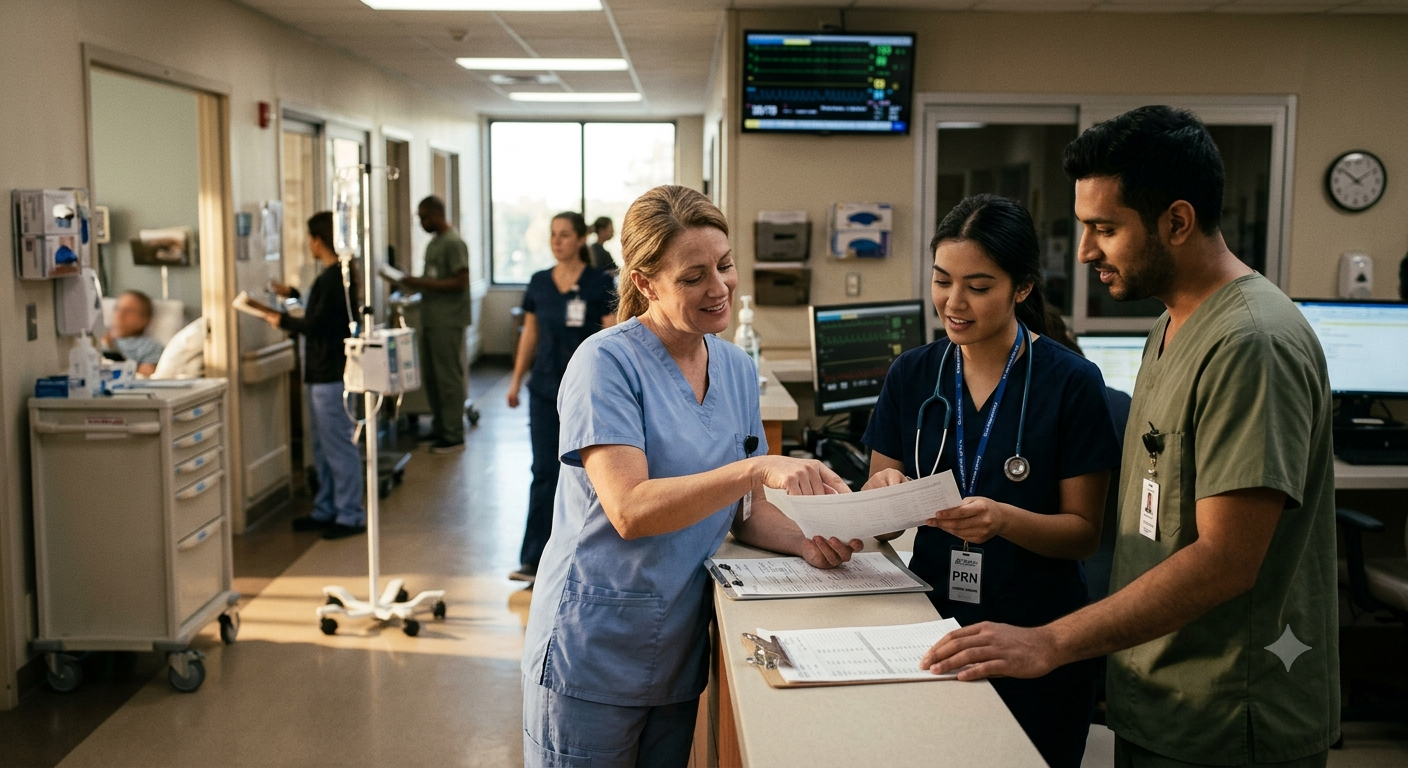
The definition is straightforward: as the name suggests, on a need or shift basis. But the question arises: how will this help me build my career or gain stability? Per diem employees in healthcare step directly into active clinical environments where patient care cannot pause. For early-career professionals, this means participating in real decision-making, collaborating with established teams, and managing responsibilities that demand accountability. This structure removes the buffer that often exists in traditional roles, where new professionals are gradually introduced to responsibility within a familiar environment. Per diem work requires greater independence, which accelerates the transition from a student mindset to a clinician mindset.

Why Clinical Learning Happens Faster in Per Diem Roles 

Real on-the-job experiences can provide so much exposure that even academic knowledge can’t. For example, a college nurse might not face much pressure when handling tactics, as she would in a real job, which will help her learn faster and adapt more quickly. Per diem work fosters layered learning by exposing professionals to multiple systems, workflows, and patient needs in a compressed timeframe. Instead of mastering one documentation system over months, per diem professionals encounter several of them. Instead of learning how one unit handles patient flow, they see how different facilities prioritize care under varying conditions. This repeated exposure strengthens clinical reasoning and adaptability. Over time, early-career professionals become better at recognizing patterns more quickly. They anticipate challenges, adjust communication styles, and manage time more effectively. These skills typically take years to develop in static roles but emerge sooner in per diem settings.

The Power of Repeated Adaptation

One of the most powerful accelerators of clinical growth in per diem work is repeated adaptation. Each new facility requires professionals to orient themselves rapidly, understanding unit expectations, patient acuity, and team dynamics almost immediately. While this may seem stressful at first, it trains professionals to remain calm, observant, and responsive. With each new environment, the learning curve shortens. What once took hours of adjustment now takes minutes. This repeated process strengthens situational awareness, which is a core competency of experienced clinicians. Early-career professionals learn not just what to do, but how to assess a situation quickly and act appropriately.

Learning Healthcare Systems from the Inside Out

With on-the-job experience, you not only learn about the job itself, but you also explore the healthcare system. As a per diem, you are not working in a specific department; depending on your expertise, you can be placed in any department. Healthcare is a complex system of interdependent roles, protocols, and processes. Per diem work exposes early-career professionals to how different institutions operate behind the scenes. They observe how staffing levels impact care, how leadership decisions influence workflow, and how interdisciplinary collaboration varies across settings. This systems-level understanding develops much earlier than it would in a single environment.

Exposure to Patient Diversity Accelerates Clinical Judgment

Per diem professionals encounter a broader range of patient populations earlier in their careers. Different facilities serve different demographics, health conditions, and acuity levels. This diversity forces clinicians to adapt assessments, communication, and care approaches.

Rather than relying on routine, early-career professionals learn to think critically about each patient encounter. This builds clinical judgment, an ability that cannot be taught solely through repetition. Healthcare institutions benefit from clinicians who are comfortable managing diverse patient needs, as this flexibility improves patient safety and care quality.

Clinical Decision-Making Develops Earlier and Faster

Per diem roles place early-career professionals in situations where decisions must be made confidently and efficiently. While support is available, there is less reliance on familiarity or routine. This encourages professionals to trust their training, recognize limits, and communicate clearly when escalation is needed. Each decision reinforces clinical competence and builds professional confidence. Over time, early-career professionals become more decisive, organized, and self-assured, qualities that benefit both patients and employers. This accelerated decision-making process helps professionals feel more competent and prepared for long-term roles. 

How Per Diem Work Prepares Professionals for Long-Term Roles 

We often assume that per diem workers will always work in temporary roles because of flexibility. However, gaining broad experience early on can lead to full-time job offers, helping early-career professionals build a stable career path. When they demonstrate their skills and adaptability, employers are more likely to offer permanent positions, making per diem work a strategic step toward long-term career growth.

Employers often recognize this readiness. Clinicians with per diem backgrounds tend to require less adjustment time and contribute more quickly to patient care teams.

Per Diem gives you a chance to accelerate in your career! 

Per diem work accelerates clinical experience by compressing learning into high-impact, real-world exposure. It develops adaptability, confidence, and clinical judgment faster than traditional pathways. For early-career healthcare professionals, it provides momentum. For institutions, it builds a resilient, capable workforce. With Empower Care as a trusted partner, per diem work becomes not just a staffing solution but a foundation for long-term success. Empower Care understands the importance of matching early-career professionals with appropriate opportunities that support learning rather than overwhelm. For professionals, Empower Care provides access to environments that encourage growth, exposure, and skill development. For employers, Empower Care delivers prepared, adaptable clinicians who integrate smoothly into care teams. Healthcare institutions rely on Empower Care not just to fill shifts, but to support care continuity. By prioritizing quality placements and clear communication, Empower Care helps facilities maintain patient care standards while navigating staffing challenges. Employers gain access to per diem professionals who are motivated, competent, and prepared to contribute from day one.

Frequently Asked Questions (FAQs)

1. Is per diem work suitable for early-career healthcare professionals?

Yes. Per diem work is especially valuable for early-career professionals because it provides hands-on clinical experience across different settings. It helps build confidence, adaptability, and real-world decision-making skills much faster than staying in one fixed role.

2. How does per diem work help professionals gain clinical experience faster?

Per diem roles expose professionals to multiple healthcare environments, patient populations, and workflows. This repeated exposure helps develop clinical judgment, time management, and adaptability in a shorter period compared to traditional full-time roles.

3. Does per diem work improve clinical decision-making skills?

Yes. Per diem professionals often need to make quick, confident decisions in unfamiliar settings. This encourages them to rely on their training, communicate effectively, and escalate concerns appropriately, leading to faster growth in clinical confidence and competence.

4. Can per diem work lead to a full-time healthcare position?

Absolutely. Many healthcare employers view per diem work as a trial period. Professionals who demonstrate strong skills, adaptability, and teamwork are often offered permanent roles with less onboarding time.

5. What Is a Per Diem Job in Healthcare

A per diem job in healthcare is a role where professionals work on an as-needed or shift-by-shift basis instead of having a fixed full-time schedule. These roles allow healthcare workers to gain hands-on clinical experience across different facilities, patient populations, and care settings while maintaining flexibility in their work schedule. Per diem jobs help professionals build adaptability, confidence, and practical skills early in their careers.

Your journey is yours, but you don’t have to walk it alone. Let Empower Care help you rise.

Learn More:

https://empowercare.us/blog/why-more-nurses-are-choosing-per-diem-careers-for-work-life-balance

What Emergency Nursing Teaches You About Clinical Decision-Making Under Pressure

Clinical Decision Making Under Pressure

Clinical Decision Making Under Pressure

Whenever you enter a hospital, you see the emergency signboard, highlighting the critical role of decision-making in emergency nursing. Aspiring individuals may wonder how these nurses work tirelessly to provide care in high-pressure situations where quick, accurate decisions are vital. Emergency Nursing is not just about reacting fast; it involves making precise, ethical, and patient-centred choices when time, information, and resources are limited. For Emergency Room Nurses, every shift becomes a masterclass in prioritization, judgment, and accountability. These experiences do more than sharpen clinical instincts; they foster confidence and pride, creating professionals who can think clearly when conditions are far from ideal. For healthcare institutions, these skills are not optional; they are foundational to patient safety and operational stability. 

Why Emergency Nursing Is the Ultimate Training Ground for Decision-Making

The emergency room is a place of chaos, uncertainty, and much more than anyone can even anticipate. On one side, you must be tending to the accident case, checking their blood pressure and blood flow, and how the patient is; on the other hand, you might have another crucial attention care patient with heart issues, like a heart attack. In emergency settings, decisions are rarely made with complete information. Emergency Room Nurses must assess patients quickly, identify subtle changes, and act decisively while balancing competing priorities. Unlike controlled clinical environments, emergency departments operate in a constant state of unpredictability. Patient acuity can escalate without warning, resources may be stretched, and communication must be fast yet precise. Emergency Nursing teaches clinicians to synthesize information rapidly, weigh risks in real time, and move forward confidently, knowing that hesitation can be as dangerous as error. This environment accelerates professional maturity. Nurses learn early how to trust their training while remaining open to collaboration and escalation when necessary.

How Emergency Nurses Learn to Prioritize What Truly Matters

One of the most valuable lessons Emergency Nursing teaches is clinical prioritization. Emergency Room Nurses quickly learn that not every urgent situation is the same, and not every loud alarm requires immediate intervention.

Through experience, nurses develop the ability to distinguish between:

  • What appears critical versus what is clinically critical
  • Immediate threats versus developing risks
  • Tasks that can wait versus actions that cannot

This skill is refined through constant exposure, not theory. Over time, emergency nurses become adept at identifying which patients need immediate intervention and which require close monitoring. This prioritization protects patient safety while maintaining workflow efficiency, an essential balance in emergency care.

Decision-Making Under Pressure Is a Team Skill

As an emergency nurse, you are not alone; you don’t have to handle everything on your own. You are part of a team. Emergency Room Nurses operate within multidisciplinary teams where communication, trust, and shared accountability are vital. Under pressure, nurses must clearly communicate patient status, appropriately escalate concerns, and collaborate with physicians, technicians, and support staff. Effective teamwork can be life-saving, making nurses feel valued and connected to a larger purpose.

Managing Cognitive Load in High-Stress Environments

Emergency departments place a heavy cognitive load on clinicians. Emergency Room Nurses must track multiple patients, remember evolving care plans, respond to interruptions, and remain vigilant for sudden changes. Emergency Nursing teaches strategies for managing this mental demand, empowering nurses to feel capable and in control during high-stress moments. These skills reduce errors, prevent overwhelm, and support sustained performance during long or intense shifts. For employers, nurses who manage cognitive load effectively contribute to safer, more stable emergency departments.

Ethical Decision-Making When Time Is Limited

Emergency Nursing also exposes nurses to complex ethical decisions. Emergency Room Nurses often advocate for patients who cannot speak for themselves, manage end-of-life situations, or balance limited resources during high demand. These moments require calm judgment, emotional intelligence, and ethical clarity. Emergency nurses learn to navigate these situations with professionalism, empathy, and respect for patient dignity, skills that equip them to become trusted clinicians across any setting. 

How Emergency Nursing Shapes Career-Long Clinical Judgment

The decision-making skills developed in Emergency Nursing do not remain confined to the emergency department. Nurses carry these skills into every role they pursue afterwards.

Professionals with emergency experience often demonstrate:

  • Strong situational awareness
  • Calm responses under stress
  • Clear clinical reasoning
  • Effective communication

These qualities make Emergency Room Nurses highly adaptable and valuable across healthcare systems. Employers recognise emergency-trained nurses as professionals who can handle complexity without compromising care quality.

Emergency Nursing and Per Diem Work: A Strong Professional Match

As an aspirational individual, if you are wondering whether you can work as a per diem emergency nurse, then yes, you can! In fact, one thing we all have learned from COVID-19 is that we need more hands on deck during emergencies. Per diem roles align well with the skill set of Emergency Room Nurses. Emergency Nursing prepares professionals to adapt quickly, integrate into new teams, and deliver consistent care across settings. For nurses, per diem work offers flexibility without sacrificing clinical challenge. For employers, per diem emergency nurses bring experience, resilience, and efficiency to high-demand environments.

Final Takeaways – 

Emergency Nursing teaches far more than clinical skills; it teaches how to think clearly when conditions are unpredictable, how to prioritize when everything feels urgent, and how to act decisively without losing compassion. For Emergency Room Nurses, these lessons shape careers. For healthcare institutions, they define care quality. With Empower Care as a trusted employment partner, both professionals and employers gain access to opportunities that honour experience, support growth, and strengthen emergency care delivery. Emergency departments operate best when staffing strategies recognize the complexity of the work. Empower Care supports this by aligning skilled Emergency Nursing professionals with institutions that value quality, adaptability, and patient safety. This partnership strengthens workforce resilience and ensures that both clinicians and facilities are positioned for success. Empower Care understands the demands of Emergency Nursing and the value of professionals who thrive under pressure. For nurses, Empower Care provides access to opportunities that respect experience, support flexibility, and encourage professional growth.

Rather than treating nurses as shift-fillers, Empower Care focuses on meaningful placements that align with skill level and career goals. This approach supports long-term satisfaction and sustained performance.

Frequently Asked Questions (FAQs)

1. Why is decision-making so important in Emergency Nursing?

Decision-making is critical in Emergency Nursing because nurses often work with limited time and incomplete information. Quick and accurate decisions help protect patient safety, reduce risks, and ensure timely treatment in life-threatening situations.

2. How does Emergency Nursing improve clinical prioritisation skills?

Emergency Nursing trains nurses to quickly identify which patients need immediate care and which can safely wait. Through real-world experience, nurses learn to separate true emergencies from less critical situations, improving both patient outcomes and workflow efficiency.

3. What role does teamwork play in emergency clinical decision-making?

Teamwork is essential in emergency settings. Emergency Room Nurses rely on clear communication and collaboration with doctors and support staff to make fast, informed decisions. Strong teamwork reduces errors and improves patient care under pressure.

4. How do Emergency Room Nurses manage stress and cognitive overload?

Emergency nurses develop strategies to handle multiple patients, interruptions, and sudden changes. These skills help them stay focused, reduce mental fatigue, and maintain consistent performance during high-stress and demanding shifts.

5. How can a temp agency in Worcester support emergency nursing professionals?

A temp agency Worcester helps emergency nurses find flexible work opportunities that match their skills and availability. These agencies connect qualified nurses with hospitals and healthcare facilities that need reliable support during high-demand periods, allowing nurses to work in fast-paced environments while maintaining career flexibility.

Your journey is yours, but you don’t have to walk it alone. Let Empower Care help you rise.

Learn More: Why Nurses Choose Per Diem Careers

Life in the ER: A Professional Look at Emergency Room Nursing

ER Nurse

 ER Nurse

Every time you cross a hospital, you see a huge signboard reading “Emergency Room or Emergency”, but until you step inside as a patient or a treating staff member, you can’t really understand what’s happening in that room. As the name suggests, it is a room where the team encounters all sorts of emergencies, but it is easier said than done. But what happens with the staff, especiallyER nurses, that’s something one could not imagine. They get to experience all sorts of emergencies and see all types of cases. The emergency room is where healthcare moves at full speed. It’s unpredictable, high-pressure, emotionally intense, and deeply meaningful. Behind every fast decision and life-saving intervention is an emergency room nurse, a professional trained to think clearly when everything around them feels chaotic.

Emergency nursing is not just a job; it’s a calling that demands skill, resilience, and heart. Recognizing the vital role of ER nurses can inspire pride and appreciation among healthcare professionals and staffing agency clients, emphasizing their importance in modern healthcare. 

Role of an Emergency Room Nurse -  

An emergency room nurse is often the first point of contact for patients entering the ER. They are responsible for quickly assessing symptoms, prioritizing care, and initiating treatment, all while maintaining calm and compassion. Emergency nursing requires the ability to multitask under pressure. On any given shift, an ER nurse may care for patients with minor injuries, manage trauma cases, respond to cardiac emergencies, and support families during some of their most difficult moments. The variety is immense, and no two shifts are ever the same. Beyond clinical skills, emergency room nurses must be strong communicators. They relay critical information to physicians, coordinate with specialists, and provide reassurance to patients who may be frightened or in pain. Their role sits at the centre of the emergency care team. 

A Day in the Life of an ER Nurse -  

Well, unlike many other workers, the day in an ER nurse’s life is highly unpredictable, as they might be attending to the needs of the previous day’s patient and then have to look after a new patient with entirely different symptoms. Shifts begin with a handoff report, where incoming nurses receive updates on patient conditions, treatments, and priorities. From there, the pace can shift instantly. An ER nurse may start the day treating a patient with chest pain, then pivot to assisting with a trauma alert, followed by caring for someone experiencing severe dehydration or infection. Triage is a constant responsibility, determining who needs immediate care and who can safely wait. Documentation is another critical component of emergency nursing. Accurate records ensure continuity of care, support legal compliance, and help the entire medical team stay aligned. Even in high-stress situations, precision matters. Despite the intensity, ER nurses often describe their work as deeply rewarding. They witness resilience, recovery, and sometimes miracles. They also develop strong bonds with their colleagues, relying on teamwork to navigate the most demanding moments. 

Skills That Define Exceptional Emergency Nursing 

Emergency nursing requires a unique blend of technical expertise and emotional intelligence. Clinical knowledge is essential, but it’s only part of the equation. Critical thinking enables ER nurses to recognize subtle changes in patient condition and act quickly. Emotional resilience helps them manage stress, loss, and high-stakes decision-making without burnout. Adaptability is key, as situations can change in seconds. ER nurses must also be confident advocates. They speak up for patients, ensure safety protocols are followed, and collaborate with physicians and specialists to deliver the best outcomes. These skills are developed through experience, training, and the right work environment. 

Why Emergency Nursing Continues to Grow in Demand 

The demand for emergency room nurses continues to rise. Ageing populations, increased access to healthcare, and public health challenges have placed emergency departments under constant pressure. Hospitals and healthcare facilities need skilled ER nurses who can step into fast-paced environments and deliver high-quality care immediately. This demand creates strong career opportunities for nurses who thrive in emergency settings, offering competitive pay, flexible schedules, and diverse work experiences. Emergency nursing also provides a strong foundation for career advancement. Many ER nurses go on to specialize further, pursue leadership roles, or transition into advanced practice positions. 

The Challenges of Working in the Emergency Room 

Emergency nursing involves long shifts, physical demands, and emotional strain, but support systems such as counselling, peer networks, and wellness programs can help nurses manage burnout and maintain resilience. 

How Staffing Agencies Support ER Nurses and Healthcare Facilities 

Staffing agencies play a critical role in modern emergency nursing. They help bridge gaps caused by shortages, vacations, or unexpected surges in patient volume. For nurses, staffing agencies offer flexibility, exposure to different facilities, and control over career direction. Working with a healthcare staffing agency like Empower Care ensures that placements meet strict quality and safety standards, providing a secure and reliable experience for ER nurses and employers alike. 

Building a Sustainable Career in Emergency Nursing 

Sustainability is becoming a central conversation in healthcare. Emergency nursing is demanding, but with the proper support, it can be a long and fulfilling career. Flexible scheduling, supportive leadership, and access to professional development all contribute to longevity in the field. Staffing agencies like Empower Care help create these conditions by giving nurses more control over where and how they work. By aligning nurses with facilities that respect their expertise, Empower Care helps reduce burnout and promote long-term success.  

Empowering Those on the Front Lines -  

We all know how vital these frontliners are to us. COVID-19 taught us how they did, and they sacrificed to ensure our safety during that crucial period. Life in the ER is intense, challenging, and profoundly impactful. Emergency room nurses stand at the front lines of healthcare, delivering care when it’s needed most. By partnering with an experienced staffing agency like Empower Care, ER nurses gain more than job placements—they gain a trusted ally in their professional journey. Empower Care’s commitment to quality, flexibility, and nurse-centred solutions makes it a valuable partner for both healthcare professionals and facilities. For those drawn to emergency nursing, the path is demanding but deeply rewarding. And with the proper support, it’s a path that leads not just to employment, but to purpose, growth, and lasting impact. 

Healthcare Support Staffing Agency Guide: What Worcester Facilities Need to Know

healthcare support staffing

 Staff Agency

Healthcare support staff are essential in the healthcare industry. As healthcare facilities face ongoing workforce shortages and rising patient demands, having a dependable staffing partner has become essential rather than optional. Worcester’s healthcare ecosystem is growing rapidly, with hospitals, rehabilitation centres, nursing homes, behavioural health facilities, and home care providers all competing for qualified support staff. In this environment, selecting the right healthcare support staffing agency can mean the difference between consistent, high-quality care and frequent staffing disruptions. This guide explains how healthcare support staffing agencies operate, what makes Worcester’s staffing needs unique, how to evaluate employment agencies in Worcester, MA, and why Empower Care stands out as a trusted partner delivering excellent results. 

What Is a Healthcare Support Staffing Agency? 

A healthcare support staffing agency specializes in sourcing, vetting, and placing non-clinical healthcare professionals who play a critical role in patient care and daily operations. 

These roles often include: 

  • Certified Nursing Assistants (CNAs) 
  • Personal Care Assistants 
  • Patient Care Technicians 
  • Behavioural Health Support Staff 
  • Rehabilitation and Therapy Aides 
  • Medication Aides 
  • Home Health Support Workers 

While these professionals may not diagnose or prescribe, they are the frontline of care. They assist with daily living activities, patient comfort, mobility, safety, and emotional support. In many cases, they spend more time with patients than anyone else. 

That’s why healthcare support staffing requires industry-specific expertise. This isn’t plug-and-play hiring. It’s about matching the right people to the right care environments.  

Why Worcester, MA, has a Growing Demand for Healthcare Support Staffing 

Worcester is one of Massachusetts’ most active healthcare hubs, with major hospitals, speciality clinics, and long-term care facilities, creating a high demand for skilled support staff. 

Several factors contribute to this demand. An ageing population requires more long-term and assisted care services. Behavioural health needs continue to rise, increasing pressure on inpatient and outpatient facilities. At the same time, workforce shortages and burnout are making it harder for facilities to maintain fully staffed teams. 

Healthcare Support Staffing Agencies vs. Employment Agencies in Worcester, MA 

When you are considering a staffing agency, you might wonder, “Why do I need a healthcare support staffing agency vs any other employment agency?” Let’s look into the details and see why healthcare support staffing agencies work better.  

General Employment Agencies 

These agencies serve multiple industries and often prioritize speed and volume. While they may fill roles quickly, they typically lack deep healthcare knowledge, which can lead to mismatches in skill level, expectations, or compliance. 

Healthcare Support Staffing Agencies 

These agencies focus exclusively on healthcare environments. They understand patient safety, regulatory requirements, and the emotional demands of caregiving roles. 

A trustworthy healthcare support staffing agency provides: 

  • Healthcare-specific screening and credential checks 
  • Knowledge of care settings and workflows 
  • Familiarity with Massachusetts healthcare regulations 
  • Candidates experienced in similar environments 
  • Ongoing support after placement 

What Worcester Facilities Should Expect from a Staffing Partner 

A strong healthcare support staffing agency does more than fill open shifts. It becomes an extension of your workforce strategy. 

Here’s what facilities in Worcester should expect: 

Reliable Candidate Screening 

Every candidate should be properly vetted through background checks, certification verification, and skills assessments relevant to Worcester healthcare settings, ensuring safety and compliance. 

Smart Matching, Not Random Placement 

The agency should match candidates based on experience, availability, and facility type, not just who’s available. 

Fast Response Times 

Healthcare doesn’t wait. Whether it’s a last-minute call-out or a sudden increase in patient volume, the agency should be ready to respond quickly. 

Compliance Confidence 

From licensure to documentation, your staffing partner should understand and manage compliance to keep your facility protected. 

Clear Communication 

You should always know who is coming in, when, and why. Transparency builds trust and avoids operational surprises. 

Support staff are often the caregivers patients interact with most frequently. Their presence directly influences patient comfort, safety, and satisfaction, making their role vital for quality care. 

Support staff are often the caregivers patients interact with most frequently. Their presence influences patient comfort, safety, and satisfaction daily. When support roles are understaffed or filled inconsistently, permanent staff experience burnout, patient wait times increase, and care quality can suffer. Conversely, reliable support staffing improves workflows, reduces stress on clinical teams, and creates a more positive care environment. Healthcare support staffing agencies help facilities maintain this balance by ensuring the right people are in the right roles at the right time. 

Why Empower Care Is a Trusted Healthcare Staffing Partner 

Empower Care is an online employment agency built with a deep understanding of healthcare staffing challenges. Its approach combines modern hiring tools with personalized service, making it a strong choice for Worcester healthcare facilities seeking dependable support staffing. 

Empower Care focuses specifically on healthcare support roles, allowing the team to develop strong networks of qualified caregivers and allied professionals. This specialization leads to better candidate matching and more consistent performance.  

Accurate Matching for Better Retention 

  • Empower Care prioritizes fit over speed. Candidates are matched based on: 
  • Experience in similar care environments 
  • Shift availability 
  • Facility needs and expectations 
  • Long-term placement potential 

This approach leads to stronger performance, fewer issues, and better retention over time. 

Consistent Communication and Follow-Up 

Empower Care maintains open communication before, during, and after placements. The team checks in with both facilities and staff to ensure expectations are being met and issues are addressed early. 

Thorough Screening and Compliance Standards 

Every candidate placed through Empower Care goes through a structured screening process, including: 

  • Credential and certification verification 
  • Background checks 
  • Experience validation 
  • Role-specific skill assessment 

This ensures candidates arrive prepared, compliant, and ready to contribute from day one. 

Support for Short-Term and Long-Term Needs 

Healthcare facilities don’t all need the same type of staffing support. Empower Care offers flexible solutions for: 

  • Per diem and temporary coverage 
  • Contract assignments 
  • Long-term placements 
  • Ongoing staffing partnerships 

This flexibility helps facilities adapt without sacrificing care quality.  

Staffing Support That Actually Supports Care  

When choosing an employment agency for the healthcare industry, we must look for partners who can understand our needs and urgency, and ensure we get quality, skilled workers on time. Healthcare support staffing plays a vital role in patient safety, staff morale, and operational success. A reliable healthcare support staffing agency understands the demands of care environments, respects the people doing the work, and delivers solutions that last. In Worcester’s fast-moving healthcare landscape, working with the right staffing agency can make all the difference. Empower Care stands out among staffing agencies in Worcester, MA, by offering healthcare-focused expertise, rigorous screening, responsive service, and a partnership mindset. For facilities seeking reliable staffing solutions and long-term success, Empower Care delivers results that truly make a difference. 


Your Path from Healthcare Administration to Marketing: How Non-Clinical Healthcare Staffing Experts Can Help

non-clinical healthcare staffing

non-clinical healthcare staffing experts

We wonder about the healthcare industry, and we think about only the clinical staff, the doctors and the nurses, but we never think about the non-clinical healthcare staff, like people from the front desk, accounting or even marketing. More and more professionals in healthcare administration, patient coordination, medical office support, and healthcare operations are making a surprising shift: they’re transitioning into marketing roles within the healthcare industry. And honestly? It makes perfect sense. Healthcare administration professionals already understand how hospitals, clinics, and care facilities function behind the scenes. They understand patient flow, scheduling pressures, compliance expectations, and organizational challenges. So when the industry needs marketers who “get” healthcare — who understand how to speak to clinicians, facilities, and patients — who better than the people who’ve lived it? This shift has opened the door to a growing demand for non-clinical healthcare staffing experts, who play a crucial role in helping job seekers navigate new opportunities and helping healthcare organizations find talent that meets their evolving needs. 

The Rise of Non-Clinical Healthcare Staffing – 

Whenever it comes to healthcare, we all, by default, talk about nurses, doctors, and surgeons, but we don’t think about non-clinical healthcare staff. But non-clinical roles, administrative coordinators, patient service reps, scheduling managers, medical billers, operations supervisors, HR specialists, and yes, even marketing professionals, are essential to keeping the entire healthcare system running. That’s precisely where non-clinical healthcare staffing comes in. These staffing experts focus specifically on sourcing, training, and placing individuals whose impact on patient care is critical, though it is indirect. And as more facilities embrace digital tools, patient portals, telehealth, and automated systems, the demand for skilled non-clinical professionals is skyrocketing. Healthcare organisations aren’t just hiring traditional admin roles anymore. They’re also hiring content creators, marketing coordinators, digital campaign managers, social media specialists, and patient engagement strategists, positions that blend healthcare knowledge with marketing skills. 

Many healthcare professionals overlook marketing as a viable career path. Highlighting how their skills can open new growth opportunities encourages them to explore this transition.

At first glance, healthcare and marketing are two separate universes. But look a little closer, and the overlap becomes obvious, especially in today’s digital healthcare ecosystem. Innovative healthcare organisations are recognising this advantage. They’re hiring people with clinical or administrative experience because they know these professionals can communicate effectively with both patients and providers.

Healthcare professionals transitioning into marketing bring three major strengths that can boost their confidence:

Trust and Credibility

Healthcare is one of the most regulated and scrutinised industries. Marketers with real healthcare backgrounds bring authenticity that audiences trust. 

Patient-Centred Communication Skills

Administrators and coordinators work with patients daily. They know how to explain complex information clearly, a superpower in marketing. 

Deep Industry Understanding

They know how care teams work, how patients think, and how healthcare processes operate. This allows them to create marketing strategies that reflect real-world healthcare needs, not abstract ideas.  

How Non-Clinical Healthcare Staffing Firms Support Career Transitions

One of the biggest challenges professionals face when changing roles, especially across industries, is knowing where to begin. Non-clinical staffing firms solve that problem.

Here’s how they help:

They help you position yourself.

Knowing healthcare is one thing. Positioning yourself for marketing roles is another. Agencies help refine your resume, highlight your transferable skills, and prepare you for an interview. 

They support long-term career stability.

Rather than placing you into random jobs, modern staffing partners help you create a long-term pathway: entry-level marketing → marketing assistant → coordinator → strategist → manager.

They understand your background.

Non-clinical healthcare staffing agencies know how to translate your existing skills, such as scheduling, communication, patient relations, and documentation, into roles like patient engagement, healthcare outreach, digital marketing coordination, and brand communication.

They connect you with healthcare-focused marketing roles.

Many healthcare organizations prefer candidates who already understand how healthcare works, and they trust staffing agencies to find them. 

The Future of Non-Clinical Roles in Healthcare Marketing

The healthcare industry has realized that marketing is no longer optional; it’s essential. Competition is rising, digital platforms are expanding, and patients expect accessible, human-centred communication. This is creating a wave of non-clinical opportunities:

  • Healthcare marketing coordinators
  • Digital content specialists
  • Patient engagement strategists
  • Social media managers
  • Outreach and community relations professionals
  • CRM and patient experience analysts
  • Healthcare brand content writers
  • Telehealth communication coordinators

Every one of these positions benefits tremendously from someone with healthcare administration experience. As healthcare continues to modernise, we’ll see even more crossover roles that blend operations, communication, patient education, and digital strategy. This is why the demand for non-clinical staffing agencies is rising across the USA. Healthcare organizations need talent who understand both people and processes. And job seekers need experts who can help them step confidently into roles that fit their evolving goals.

Why Empower Care Leads the Way in Non-Clinical Healthcare Staffing

Empower Care isn’t just another staffing agency. It represents the future of non-clinical healthcare talent placement. Its approach blends modern recruiting tech with a human-first mindset, creating opportunities that align with both candidate growth and employer needs.

Here’s what makes Empower Care different:

A deep focus on non-clinical roles

Empower Care understands that healthcare is more than clinical staff. Their speciality lies in connecting administrative professionals with roles in operations, coordination, patient relations, digital health, and marketing.

Strong employer partnerships

Because Empower Care works closely with healthcare organisations, they learn exactly what those employers want, and match candidates who meet those needs.

Support for career transitions

Whether candidates are switching departments, industries, or job types, Empower Care guides them through skills development, resume preparation, and job selection.

Digital-first recruitment

Speed matters. Empower Care’s digital platform makes applying, interviewing, onboarding, and scheduling easy, perfect for the modern job seeker.

Commitment to long-term success

Instead of pushing quick placements, Empower Care focuses on building career pathways that grow with the individual.

A nationwide presence

As one of the most reliable non-clinical staffing agency networks in the USA, Empower Care connects job seekers with opportunities across various healthcare systems, telehealth providers, and administrative service centres. 

Your Healthcare Career Has More Possibilities Than Ever

The healthcare system is changing, and with that change come new career paths, roles, and industries where your skills are valued. The transition from healthcare administration to marketing isn’t just possible; it’s becoming increasingly common and highly in demand. Non-clinical healthcare staffing agencies are playing a vital role in shaping this future. With the right opportunities, guidance, and support, professionals like you can step into marketing careers that feel innovative, creative, and deeply impactful. Empower Care stands at the centre of this evolution, serving as a bridge that connects healthcare professionals with meaningful non-clinical roles across the USA. Whether you’re exploring healthcare marketing, patient engagement, digital outreach, or administrative leadership, Empower Care makes the journey clearer, smoother, and more successful. 

Why Behavioural Health Staffing Is Becoming a Priority in Modern Healthcare Systems

behavioural health staffing

behavioural health staffing

Practices for mental health have been promoted in healthcare institutions; recognizing the vital role of mental health staff can make providers feel valued and essential. Now, with increasing competition and pressure in the academy, at work, or even in the family, individuals feel stressed. Often, they are unable to express their feelings and emotions to their loved ones. In that case, they become emotionally weak or suffer from different mental health issues like depression and anxiety. In such scenarios, our mental health staff step in. With rising stress levels, ongoing social pressures, and the aftershocks of global events reshaping how people cope, healthcare systems are finally prioritizing behavioural health staffing as a core pillar of patient care. But as demand accelerates, hospitals, clinics, and community centres are scrambling to fill roles fast. Cue the entrance of behavioural health staffing agencies and mental health staffing agencies like Empower Care. They’re stepping in with flexible, reliable, and modern workforce solutions to make sure every patient gets the support they deserve, when they need it most.

Let’s unpack why behavioural health staffing has become such a massive priority.

Why Behavioural Health Care Is Finally Getting the Spotlight

For decades, behavioural and mental health were treated like optional add-ons in healthcare, not essential services. But today, the script has flipped.

Several key shifts pushed this change forward:

Mental health conditions are rising faster than ever.

Anxiety, depression, substance use, and burnout—numbers are climbing across all age groups.

Patients expect mental health support as part of standard healthcare.

The stigma continues to fall, and people are finally speaking up.

Primary care providers can’t handle the overload.

Behavioral health requires specialized training that many general clinicians don’t have.

Healthcare systems realized the cost of ignoring mental health.

Untreated mental health conditions often lead to hospital readmissions, chronic illnesses, and increased emergency visits. 

What Exactly Is Behavioral Health Staffing?

Behavioural health staffing refers to recruiting, placing, and supporting trained professionals who work with patients experiencing mental, emotional, or behavioural challenges.

This includes roles such as:

  • Behavioural health nurses
  • Mental health technicians
  • Licensed clinical social workers
  • Counsellors and therapists
  • Psychologists
  • Psychiatric nurses
  • Crisis intervention specialists
  • Substance use counsellors

These professionals work across:

  • Hospitals
  • Outpatient clinics
  • Rehab centres
  • Behavioural health units
  • Community programs
  • Schools
  • Residential treatment centres 

Why Modern Healthcare Systems Can’t Keep Up Without Strong Behavioural Health Staffing

Here’s the tea: healthcare systems are overwhelmed.

Patients need more support. Providers need more backup. But facilities everywhere face:

  • Staffing shortages
  • High turnover
  • Burnout
  • Increased patient complexity
  • Limited training pipelines

Let’s break down what’s putting so much pressure on behavioural health staffing needs.

Psychiatric Cases Are Surging

Emergency departments across the country report spikes in:

  • Panic attacks
  • Crisis intervention needs
  • Overdose cases
  • Suicidal ideation
  • Psychiatric emergencies

These cases require specialists, not general nurses who are already stretched thin.

Behavioural Health Units Are Expanding

Hospitals are adding:

  • Stabilization units
  • Crisis response teams
  • Integrated behavioural health programs
  • Tele-behavioural health departments

Growth is excellent, but now the facilities urgently need people to run these programs.

Burnout Is Sweeping Through the Behavioural Health Workforce

Let’s be real:

Caring for patients in emotional crises is as intense as it gets.

Many therapists, social workers, and behavioural health nurses are experiencing burnout, causing:

  • Higher turnover
  • More temporary gaps
  • Increased hiring competition

Stability is hard to maintain without improved staffing support.

Behavioural Health Is Now Integrated Into Primary and Preventive Care

We’re seeing a rise in:

  • Mental health screening in primary Care
  • On-site behavioural health professionals
  • Integrated care teams (MD + RN + therapist + social worker)

This model is fantastic for patients, but it demands a lot more staffing than before.

Facilities Can’t Rely on Traditional Hiring Alone

Old-school recruitment moves too slowly. Patients don’t have that kind of time.

What Behavioural Health Staffing Agencies Bring to the Table

Behavioral health staffing agencies are built to address these challenges precisely.

Here’s what makes them a game-changing resource:

Faster Hiring for Critical Roles

Hospitals can’t wait months to fill positions.

Agencies provide:

  • Pre-vetted professionals
  • Quick placements
  • Reliable availability
  • Emergency staffing for high-demand periods

Access to Highly Specialized Candidates

Behavioral health roles require unique skill sets.

Agencies maintain long rosters of:

  • Licensed professionals
  • Crisis-trained staff
  • Neurodiversity specialists
  • Substance use counsellors
  • Trauma-informed clinicians

Facilities get the right match, not just any warm body.

Reduced Burden on HR Teams

Healthcare HR departments are drowning.

Agencies take over tasks like:

  • Credentialing
  • Background checks
  • Compliance
  • Scheduling
  • Onboarding

This frees up internal teams to focus on patient care rather than paperwork.

Flexible Staffing Models

Agencies support:

  • Full-time
  • Part-time
  • Per diem
  • Travel positions
  • Temp-to-perm roles
  • Crisis response staffing

Facilities get precisely what they need, when they need it.

Lower Turnover & Higher Staff Morale

Proper staffing improves:

  • Workload balance
  • Employee satisfaction
  • Retention rates

When teams aren’t stretched thin, everyone wins, especially the patients.

Why Empower Care Is Becoming the Go-To Partner for Behavioural Health Staffing

While behavioural health focuses on a broad spectrum of emotional and behavioural conditions, mental health staffing agencies specifically support hiring for:

  • Psychiatric nurses
  • Therapists
  • Psychologists
  • Psychiatric aides
  • Crisis stabilization teams

These roles are more challenging to fill because the talent pool is smaller.

Agencies like Empower Care with mental health specialization can recruit faster and match more effectively. It’s a next-gen staffing solution built around technology, transparency, and compassion, three things behavioural health urgently needs. Empower Care maintains a constantly growing network of:

  • Mental health nurses
  • Behavioural health technicians
  • Substance abuse counsellors
  • Social workers
  • Case managers
  • Crisis intervention staff

Every candidate is vetted for:

  • Training
  • Licensing
  • Real-world experience
  • Communication skills
  • Trauma-informed care expertise 

Behavioural Health Staffing Isn’t Just a Trend – 

As mental and behavioural health needs rise, healthcare systems are shifting from reactive models to proactive, dedicated support systems. But none of it works without the right people in place. That’s why behavioural health staffing, behavioural health staffing agencies, and mental health staffing agencies are now essential to the future of Care.

And Empower Care? It’s at the forefront—delivering flexible staffing solutions, specialized professionals, and a tech-powered system that makes hiring easier, faster, and more reliable. This approach can give healthcare leaders confidence in meeting their staffing needs effectively. Behavioural health demands compassion.

Empower Care ensures it always has the right professionals ready to deliver it.

FAQs

1. Why is behavioural health staffing important today?

Rising stress, anxiety, and depression have increased demand for specialized mental health professionals. Proper staffing ensures timely care, better outcomes, and reduced strain on healthcare systems.

2. What roles are included in behavioural health staffing?

It covers behavioural health nurses, therapists, social workers, psychologists, psychiatric aides, crisis intervention specialists, and substance use counsellors across multiple care settings.

3. How does behavioural health staffing improve patient care?

Adequate staffing reduces wait times, prevents burnout, and ensures patients receive consistent, specialized, and compassionate mental health support.

4. Why are healthcare systems struggling with behavioural health staffing shortages?

High burnout, growing patient complexity, limited training pipelines, and rapid program expansion make it hard to keep up with demand.

5. How do behavioural health staffing agencies help healthcare facilities?

They provide pre-vetted professionals, faster hiring, flexible staffing models, and reduce HR workload, ensuring continuity of patient care.

6. Is behavioural health staffing a long-term trend or a permanent need?

It’s a permanent priority. As mental health becomes integrated into primary care, strong behavioural health staffing is essential for sustainable healthcare delivery.

Why Advanced Nursing Staffing Is a Game-Changer for Healthcare Facilities

advanced nursing staffing

Nurses have been the backbone and main frontliners in the healthcare industry, without whom personalised patient care would not be possible as it is today. Patient expectations are evolving, medical technologies are advancing, and care delivery models are becoming more team-oriented than ever before. In the middle of all this, one workforce segment has emerged as a true powerhouse for hospitals, clinics, long-term care facilities, and speciality centres: advanced nursing professionals.

Nurse practitioners, clinical nurse specialists, nurse anaesthetists, nurse midwives, and advanced RNs aren’t just supporting healthcare teams anymore — they’re helping reshape what high-quality Care looks like. They can diagnose, treat, prescribe, manage chronic Care, and provide patient education that improves outcomes on a massive scale. But here’s the catch: the demand for advanced nursing talent has officially outpaced the supply. In fact, healthcare facilities across the country are discovering that they can’t rely on traditional hiring models anymore. They need expertise, speed, and strategy, which is precisely why advanced nursing staffing and nurse practitioner recruiting companies are becoming essential partners in healthcare management. Let’s break down why advanced nursing staffing is such a game-changer and why healthcare facilities are leaning heavily on specialized recruiting partners. 

The Growing Power of Advanced Nursing Professionals 

Advanced practice nurses bring a unique mix of clinical expertise, autonomy, and patient-centred communication. They’re the bridge between physicians, patients, and care teams — a bridge that healthcare facilities can’t function without.

Here’s why advanced nursing roles matter more than ever – 

They improve patient outcomes – 

At the end, healthcare professionals aim for better patient outcomes; therefore, NP-led care results in higher patient satisfaction, better chronic disease management, greater adoption of preventive care, and fewer emergency room visits. Advanced nurses elevate every Care setting they join.

They fill critical provider gaps –

 Physician shortages are a real issue nationwide, especially in family medicine, internal medicine, geriatrics, and rural healthcare. Nurse practitioners (NPs) and advanced nurses are stepping in to fill these gaps by providing high-quality Care that keeps patient wait times low and maintains care continuity. 

They increase access to specialized services –

They are there to fill in the gaps, yes, but they also bring expert knowledge and experience. Hence, programmes such as mental health, women’s health, cardiology, and pain management rely heavily on advanced nursing providers. 

They reduce operational strain –

Hospitals and clinics overwhelmed by patient loads rely on advanced nurses to streamline workflows, support physician teams, and ensure patients receive timely Care, thereby reducing burnout across the board. 

Why Healthcare Facilities Can’t Rely on Traditional Hiring Anymore

It’s not that the traditional hiring system is bad; healthcare hiring has always been complex, and advanced nursing roles come with unique challenges. Facilities often struggle with:

  • Long recruitment timelines
  • High competition for top NPs and specialists
  • Credentialing delays
  • Limited internal HR bandwidth
  • Changing scope-of-practice regulations
  • Specialized skills requirements

It’s not like hiring a receptionist or a general clinical assistant. Advanced nursing roles demand precision, vetting, experience validation, and the right personality fit for patient-facing teams. That’s why healthcare organisations are now relying heavily on nurse practitioner recruiting companies that specialise in sourcing top-tier talent. These partners bring:

  • Deep talent networks
  • Faster placement processes
  • Compliance expertise
  • Understanding of advanced clinical roles
  • Competitive recruitment strategies 

The Rise of Advanced Nursing Staffing Solutions

Advanced nursing staffing isn’t just about filling roles. It’s about delivering talent that transforms care delivery. Here’s why hiring through a specialized staffing agency is a game-changer:

Reduced burnout for full-time staff – 

The role of the Advanced NP is to support understaffed care staff, helping them relieve pressure and avoid burnout. 

Cost-effective workforce solutions – 

Many healthcare leaders assume staffing partners are expensive, but the opposite is often true. Agencies reduce recruitment costs, limit turnover, and provide predictable budgeting.

Speed and efficiency –

Agencies like Empower Care help you hire advanced NPs in no time, thereby helping fill shifts quickly and maintain operational stability. 

Improved continuity of Care –

Staffing agencies ensure consistent coverage, helping patients receive uninterrupted treatment and follow-up care.

Access to top-tier talent –

 High-level nurses often prefer agencies because of the flexibility, opportunities, and career growth support they offer. That makes agencies a magnet for skilled professionals. 

How Nurse Practitioner Recruiting Companies Are Transforming Healthcare Hiring

Nurse practitioner recruiting companies have evolved far beyond traditional staffing models. These specialized firms now act as strategic partners, offering:

  • Detailed skills matching
  • Regulatory and scope-of-practice guidance
  • Market trend insights
  • Long-term workforce planning
  • Support for credentialing and onboarding

They understand NP roles deeply — from family practice NPs to psychiatric NPs, from neonatal specialists to women’s health providers. This expertise ensures each placement is not only clinically appropriate but culturally aligned with the care team.

Recruiting companies also help facilities navigate the competitive landscape by offering benefits like:

  • Talent pipeline development
  • Ongoing provider support
  • Flexibility in contract, temp-to-hire, or permanent placement
  • Extensive NP networks that hospitals can’t reach on their own 

Why Healthcare Needs a Modern Staffing Agency More Than Ever

Healthcare doesn’t calm down, and staffing challenges don’t magically disappear. What is needed today is a partner that understands:

  • The urgency of healthcare staffing
  • The complexity of advanced nursing roles
  • The pressures facilities face during shortages
  • The importance of reliable, qualified, ready-to-start professionals

A traditional staffing approach won’t cut it in 2026 and beyond. Healthcare decision-makers need tech-enabled, industry-informed staffing partners now to feel the critical need for timely, reliable solutions in today’s workforce landscape.

Empower Care is not just your average online employment agency; we are specialists in the healthcare industry. We understand the need for immediate, urgent hiring, and we have a readily available portfolio of advanced nurses looking for shifts, whether full-time, part-time, or on a contractual basis. We attract experienced nurse practitioners, specialized nurses, and advanced clinical talent through ongoing recruitment, digital engagement, and a reputation for treating nurses the way they deserve to be treated. Partner with us today to ensure your facility stays staffed with top-tier advanced nursing professionals when you need them most.

Empower Care Is Helping Shape the Future of Healthcare Staffing

Advanced nursing staffing is transforming the healthcare system — reducing provider shortages, improving patient outcomes, and giving facilities the flexibility they need to thrive. Healthcare organizations can feel assured that with the right staffing partner, this transformation becomes sustainable and effective. Empower Care is that partner. With its modern recruitment strategies, deep networks, compliance systems, and long-term relationship approach, Empower Care is bringing stability and excellence to an industry that demands both. To stay competitive, provide high-quality care, and ensure staffing continuity, healthcare facilities must partner with an advanced nursing staffing expert now — it’s no longer optional but essential for success.

And with Empower Care leading the way, healthcare organizations can finally breathe a little easier.

FAQs

1. What is advanced nursing staffing?

Advanced nursing staffing focuses on placing highly skilled professionals like nurse practitioners, clinical nurse specialists, and advanced RNs to support complex patient care and provider shortages.

2. Why is advanced nursing staffing important for healthcare facilities?

It helps facilities maintain care quality, reduce physician workload, improve patient outcomes, and ensure uninterrupted services during staffing shortages.

3. How do nurse practitioner recruiting companies help hospitals?

They provide faster hiring, access to specialized NP talent, credentialing support, and compliance expertise that traditional hiring teams often lack.

4. What roles are included in advanced nursing staffing solutions?

Common roles include nurse practitioners, nurse anesthetists, nurse midwives, clinical nurse specialists, and other advanced practice nurses.

5. Is advanced nursing staffing cost-effective?

Yes. It reduces turnover, lowers recruitment costs, minimizes overtime expenses, and helps facilities manage budgets more predictably.

6. When should a healthcare facility use advanced nursing staffing agencies?

Facilities should consider them during provider shortages, rapid expansion, burnout risks, or when specialized clinical expertise is urgently needed.

Staffing Agency for Healthcare: Emerging Trends, Challenges, and Breakthrough Innovations Shaping the Industry

staffing agency for healthcar

Staffing Agency for Healthcare
As a professional, whether you are working as a clinical health worker or not, when seeking opportunities, you want to trust someone in this field who can guide you to the best options. From staffing shortages to shifting patient expectations, the entire system is evolving faster than many organizations can keep up. That’s precisely why the role of a 
staffing agency for healthcare has become essential. Today’s clinics, hospitals, long-term care facilities, and home health organisations aren’t just looking for bodies to fill shifts; they’re seeking long-term partners, strategic thinkers, and agencies that understand the future of the healthcare workforce. In this changing landscape, Empower Care stands out as a trusted partner designed for today’s challenges. With a digital-first approach, a deep pool of qualified clinicians, and a commitment to reliable staffing, Empower Care aims to build confidence and trust with organisations that need both agility and accountability. To understand why agencies like Empower Care are becoming essential, we need to examine the most significant trends transforming healthcare staffing today.

The Healthcare Staffing Landscape Is Changing 

Healthcare has been changing since the wars, and now, with COVID-19, the world is still grappling with new viruses and infections. Healthcare staffing used to be predictable. Full-time employees filled most roles, per-diem nurses covered occasional absences, and seasonal travel roles supported busy periods. But everything shifted.

Staff shortages are becoming long-term rather than temporary.

Many clinicians left the field during the pandemic, and fewer new graduates are entering at the pace needed. This means healthcare facilities are now more than ever dependent on flexible staffing.

Patient needs are more complex than before.

Chronic illnesses, ageing populations, and behavioural health concerns are rising. As patient acuity levels increase, healthcare providers need staff with specialised training.

Healthcare organisations are pressured to cut costs.

Outsourcing staffing through an agency provides predictable spending and reduces recruitment overhead.

These three forces have created a demand for specialized staffing solutions, not just bodies on the floor, but teams who understand how to match skills, support quality of care, and maintain accountability. 

Why Staffing Agencies for Healthcare Matter More Than Ever

A staffing agency isn’t just filling a job; they’re helping maintain patient safety, workflow efficiency, and operational stability. Today’s healthcare facilities need:

Rapid placement of healthcare workers.

Shifts open often without warning. Agencies offer a steady pool of qualified professionals ready to step in.

Specialized talent beyond fundamental clinical roles.

Healthcare organisations now need registered nurses, behavioural health specialists, CNAs, home health aides, direct care staff, and allied health professionals.

Administrative relief.

Recruitment, credentialing, background checks, and compliance reporting are tasks that burden already-stressed healthcare systems. A staffing partner handles it all.

Flexible workforce models.

Today’s employees want options: part-time, float pool, travel, seasonal, or per diem. A staffing agency bridges the gap between what workers want and what facilities need. 

The Rise of Healthcare Support Staffing Agencies

A significant shift in staffing is the growing reliance on healthcare support staffing agencies, agencies that provide not just clinicians, but support professionals who keep patient care moving smoothly.

Some of the most in-demand roles now include:

  • CNAs and caregiving staff
  • Direct support professionals (DSPs)
  • Medical assistants
  • Administrative and scheduling staff
  • Mental and behavioural health aides

Healthcare organisations have realised that patient outcomes improve dramatically when support teams are strong. These staff members reduce strain on nurses, improve patient satisfaction, and keep facilities operating at peak performance.

Empower Care is one of the few agencies with a robust pool of both clinical and non-clinical support staff, making it easier for organizations to build complete, balanced care teams.

Accountable Healthcare Staffing: A New Standard of Excellence

One of the most essential concepts shaping the industry today is responsible healthcare staffing, the expectation that staffing agencies must deliver not just people, but results. This includes reliable attendance, verified skills, continued performance monitoring, and maintaining compliance with healthcare standards. Healthcare facilities are tired of agencies that send whomever they can find, without quality control. What separates accountable staffing agencies from traditional ones is their commitment to:

  • Ongoing worker performance reviews
  • Real-time communication with healthcare facilities
  • Transparent compliance and credential tracking
  • Ensuring staff possess both technical and interpersonal skills

Empower Care embodies every part of this standard. Through its digital systems and hands-on support team, Empower Care tracks quality, communication, credentials, and performance, creating a trustworthy, predictable staffing experience for both providers and clients. 

Challenges Healthcare Staffing Agencies Must Overcome

While the industry is growing, agencies still face challenges such as high turnover, rising labour costs, and clinician burnout. Reliability is also a significant concern; no facility wants last-minute cancellations or unqualified staff.

Empower Care addresses these issues by maintaining strict standards for worker selection, providing continuous staff support, and leveraging technology to minimise scheduling confusion and miscommunication. Their team monitors worker satisfaction and facility feedback to ensure placements last longer and perform better.

Key Trends Shaping the Future of Healthcare Staffing

Here are the most significant shifts that will define the next decade of healthcare staffing, each explained and clearly:

Providers need specialists who can support patients dealing with stress, anxiety, substance disorders, and behavioural challenges. 

  • Cross-training and multi-skilled professionals are becoming valuable- 

Healthcare workers who can handle multiple roles help facilities stay flexible and reduce costs. 

  • Digital-first staffing models are becoming the norm –

Healthcare organizations are choosing agencies with online scheduling platforms, automated credential checks, and rapid digital onboarding.

  • Facilities are leaning toward long-term staffing partnerships rather than just transactional bookings. 

Hospitals and care centres want reliability, transparency, and customized staffing strategies. They seek partners they can trust, not just placement agencies. Building strong, collaborative relationships reassures healthcare providers that their staffing needs are understood and met consistently.

  • More clinicians want flexible jobs –

Float pools, travel nursing, per diem roles, and hybrid assignments are becoming mainstream.  

The Future of Healthcare Staffing Belongs to Agencies That Innovate

Healthcare staffing is no longer simply about filling shifts; it’s about building complete care ecosystems. As facilities demand more specialized workers, more flexible staffing models, and more accountability, agencies like Empower Care will become central to how healthcare systems operate.

With a combination of technology, human-centred recruiting, deep industry expertise, and a commitment to quality, Empower Care is poised to meet the evolving challenges of modern healthcare and help organisations thrive in an increasingly complex world.

FAQs

1. What does a staffing agency for healthcare do?

A staffing agency for healthcare connects qualified clinical and support professionals with healthcare facilities. It manages hiring, credentialing, scheduling, and compliance to ensure safe and reliable workforce coverage.

2. Why are healthcare staffing agencies more important today?

Ongoing staff shortages, rising patient complexity, and clinician burnout have made flexible staffing essential. Agencies help facilities maintain continuity of care without long-term hiring risks.

3. How do healthcare support staffing agencies improve patient care?

Support staff like CNAs, DSPs, and administrative professionals reduce workload on clinicians. This improves efficiency, patient satisfaction, and overall care quality.

4. What is accountable healthcare staffing?

Accountable healthcare staffing focuses on quality, reliability, and compliance. It includes performance monitoring, verified credentials, and transparent communication with healthcare facilities.

5. What challenges do healthcare staffing agencies face?

Key challenges include workforce burnout, high turnover, and last-minute cancellations. Leading agencies address these with better screening, staff support, and digital scheduling tools.

6. What trends are shaping the future of healthcare staffing?

Major trends include digital-first staffing models, demand for mental health professionals, flexible work options, and long-term staffing partnerships instead of short-term placements.

The Growing Role of Mental Health Staffing Agencies in Employee Well-Being

Mental Health Staffing Agencies

Mental Health Staffing Agencies

Employees work in the corporate and office environments; they are the backbone of the company’s performance. Whether we are talking about nurses working in hospitals or IT engineers working in an IT firm or department, they are giving their best to ensure everything runs smoothly. We are thinking about the numbers, the sales, and the client satisfaction, but we often forget about the employees, who are not machines but human beings, who feel the burn and the pressure of working endlessly to give their best. Today’s workforce wants more than just a pay check, they want support, balance, belonging, and a culture that doesn’t treat burnout as a badge of honour. And as conversations around mental well-being have shifted from taboo to essential, a new hero has stepped into the corporate arena: mental health staffing agencies. These agencies are becoming the backbone of modern workplace wellness strategies. They help companies bring in licensed therapists, behavioural health specialists, counsellors, wellness coaches, and mental health professionals who can support employees in ways HR alone can’t. Staffing agencies for mental health are changing how companies approach stress management, conflict resolution, team engagement, absenteeism, and workforce morale. This trend is growing because they help reduce burnout, making employees feel supported and valued. Let’s break down why this trend is growing and how mental health staffing agencies truly make a difference. 

Why Mental Health Matters in the Corporate World More Than Ever

Work used to stay at work. That’s not reality anymore. Today’s employees juggle personal responsibilities, rising living costs, caregiving duties, evolving work cultures, and digital overload, all while trying to stay productive and motivated.

Corporate environments are experiencing:

  • High levels of burnout
  • Increased stress-related absenteeism
  • Rising turnover rates
  • Lower job satisfaction
  • Difficulty retaining top talent
  • More employees are dealing with anxiety, depression, and emotional fatigue
  • A growing demand for workplace mental health resources

Companies finally realise that ignoring mental health doesn’t make the problems disappear; it just makes them more expensive. To effectively support employees, organisations need to understand how mental health staffing agencies can seamlessly complement existing HR and wellness initiatives, ensuring a cohesive approach to employee well-being. 

What Mental Health Staffing Agencies Actually Do

Picture a corporate office dealing with rising stress levels, struggling team morale, and employees who feel overwhelmed but don’t know where to turn. Now imagine that same office with:

  • A licensed counsellor available onsite or virtually
  • A behavioural specialist providing conflict-resolution support
  • A wellness coach guiding stress management
  • Group therapy or support circles
  • Tailored workshops for different teams
  • HR teams are receiving professional help managing emotional support needs

This is precisely what staffing agencies for mental health make possible.

They connect companies with:

  • Licensed therapists
  • Psychologists
  • Counsellors
  • LCSWs
  • Mental health nurses
  • Behavioural health coordinators
  • Psychiatric specialists
  • Wellness consultants
  • Crisis response professionals

It’s not just about filling roles. It’s about giving employees a safe, trusted, and confidential space to find real support. Mental health staffing agencies prioritise strict confidentiality and data security, ensuring employee privacy while providing access to qualified professionals who understand emotional management and stress reduction. 

Why Corporations Are Turning to Mental Health Staffing Agencies

The shift isn’t just a trend—it’s a strategic solution for workplace stability. Companies choose staffing agencies for mental health because these agencies offer something HR teams cannot replicate: clinical expertise combined with workforce understanding.

Here’s why corporate workplaces love this model:

Tailored Mental Health Support for Employees –

Every workplace is different, and every employee faces various challenges and pressures. In such cases, some employees benefit from group sessions, while others prefer one-on-one sessions. Staffing agencies customize solutions, not one-size-fits-all programs.

Better Conflict Management and Team Dynamics –

 When you show commitment to your employees’ mental health and well-being, you can see immediate results, as you can better manage team dynamics, and conflicts amongst team members will be fewer. 

Immediate Access to Qualified Professionals –

Recruiting mental health professionals is more complicated than it looks. It’s a specialised field with licensing requirements, regulations, and unique skill sets. Staffing agencies already have vetted networks, so companies get access to the right professionals much faster.

Reduced Workplace Stress and Burnout – 

When you have a system in place that manages employees’ mental health in a better-planned, more productive way, you will see that employees feel supported rather than stretched thin. Productivity improves when emotional well-being improves, simple as that.

A Stronger, More Compassionate Workplace Culture – 

This is ultimately what every company wants, with the employees feeling valued. Mental health staffing helps build workplaces where people feel heard, valued, supported, and human, not just like another item on someone’s calendar.

Higher Retention and Employee Loyalty –

 A workplace that invests in mental health becomes a workplace employees want to stay in. Support builds loyalty faster than any fancy break room or coffee machine ever could. 

How Mental Health Staffing Agencies Are Changing Corporate Norms

The influence of mental health staffing agencies extends far beyond crisis support. They’re shaping the new era of corporate wellness by making emotional well-being a visible priority, not a whisper behind closed doors.

Here’s how they’re altering the workplace landscape:

Normalizing Therapy and Support in Workspaces

When mental health services are offered as a standard benefit, it sends a message: “Your well-being matters here.” This destigmatises getting help and encourages more employees to use support services.

Integrating Mental Health Into HR Policies

Agencies help companies update their mental health policies, create supportive frameworks, and develop better response procedures for staff well-being.

Bringing Preventive Care Into Focus

Support isn’t only needed when things fall apart. Agencies help companies shift toward early intervention, stress monitoring, and training in healthy work habits. This proactive approach empowers organisations to build a resilient workforce and feel confident in their ability to prevent issues before they escalate, fostering a sense of control and leadership within HR and management teams.

Offering Virtual Mental Health Staffing Solutions

With hybrid work becoming the norm, virtual counselling and remote behavioural health staffing ensure that all employees, onsite or remote, get equal access to support.

Increasing Cultural Sensitivity in Employee Support

Mental health professionals sourced by staffing agencies are trained in trauma-informed care, cultural awareness, and inclusive communication. This ensures all employees, regardless of background, feel heard. 

Final Thought – 

You might think mental health staffing belongs solely in hospitals or clinics, but the truth is that staffing agencies for healthcare and staffing agencies for mental health now operate in the same universe.

Why? Because modern health isn’t just physical, it’s emotional, psychological, and social. Healthcare staffing agencies, especially those with behavioural expertise, are perfectly positioned to support corporate well-being programs because they already understand:

  • Patient care
  • Emotional support
  • Crisis management
  • Clinical communication
  • Therapeutic intervention
  • Documentation and compliance

The role of mental health staffing agencies will only grow from here. As stressors increase and workplace expectations evolve, companies need professionally trained support, support that goes beyond HR and into the realm of genuine emotional care. Empower Care stands at the intersection of staffing expertise and human-centred wellness, helping companies transform employee experience from the inside out. In a world where work can be chaotic, demanding, and overwhelming, Empower Care provides something priceless:

A pathway to workplaces where well-being comes first and every employee feels supported.

Mental Health Staffing Agencies: Key FAQs

1. What do mental health staffing agencies do for corporate workplaces?

They provide licensed mental health professionals to support employees with stress, burnout, and emotional challenges. Services can be offered onsite or virtually and remain confidential.

2. Why are companies investing in mental health staffing agencies?

They help reduce burnout, improve retention, and support productivity. Companies benefit from expert care that goes beyond traditional HR support.

3. How do mental health staffing agencies support employee well-being?

They offer counseling, wellness coaching, and conflict support. These services help employees manage stress and maintain emotional balance.

4. Are mental health staffing services confidential for employees?

Yes, agencies follow strict privacy and compliance standards. Employee sessions are secure and confidential.

5. Can mental health staffing agencies support remote or hybrid teams?

Yes, many provide virtual counseling and remote mental health support. This ensures access for both onsite and remote employees.


Learn More:

https://empowercare.us/blog/emerging-trends-in-mental-health-staffing-what-to-expect-in-the-next-decade 

Life on the Front Lines: A Day as an ER Nurse

ER Nurses

ER Nurses

Have you ever imagined what it is like to be in an emergency room, where the shift doesn’t end, but a new, unknown emergency crops up? Where you do not get to decide what will come next, but face the next challenge and understand what can be done to save the patient. It could be any emergency, from a kidney stone to an accident, or an extremely crucial patient entering the room with COPD or any other critical care scenario. You need all hands on deck and all experts to look after the patient before they are assigned to any particular room. If you’ve ever wondered what it’s like to live a life where minutes matter, alarms don’t politely tap you on the shoulder, and every shift feels like a crossover episode of Grey’s Anatomy and Survivor, welcome to the world of the ER nurse. Emergency room nurses are the heartbeat of acute care. They’re the ones who step into chaos with calm, wrap compassion around every crisis, and somehow still crack a smile at 3 AM when the world feels upside down. And in today’s fast-moving healthcare landscape, these nurses are more in demand than ever. Hospitals are stretched, communities are growing, and the need for skilled emergency care professionals continues to climb. Let’s take a deep dive into what a day in the life of an ER nurse actually looks like and why the role is so essential. 

The Shift Begins

As a nurse, you have just entered the room, looking at the patients, but this is the beginning of the chaos. Their shift begins before the first patient rolls in, with a quick huddle reviewing staffing levels, overnight incidents, and potential bottlenecks. But even these briefings come with a twist: in the ER, anything can happen at any moment. An emergency room nurse is responsible for triage, patient assessments, stabilising critical cases, coordinating diagnostics, and communicating with doctors, families, and, sometimes, a very confused patient insisting they’re “fine” despite arriving on a stretcher.

The Rhythm of Triage: Prioritize, Stabilize, Repeat

Triage is where the magic and madness of the ER begin. Nurses quickly determine who needs immediate care and who can safely wait. Think of it as a real-life version of sorting your priorities, except lives literally depend on it.

A day can bring a whirlwind of cases:

  • A child with a severe allergic reaction
  • A senior with chest pain
  • A teenager with a sports injury
  • A car accident victim
  • Someone with symptoms that started “just this morning” but have clearly been simmering for days

And here’s the kicker, ER nurses don’t just treat conditions. They also address fear, panic, and confusion, showing compassion that comforts patients and families. They’re the calm in the storm, which makes their role deeply meaningful and deserving of recognition.

Teamwork Makes the Emergency Room Work

The ER is like a symphony; no one musician can carry the entire performance. ER nurses work hand in hand with physicians, techs, respiratory therapists, radiology teams, and more. Communication is constant. Decisions are made at lightning speed. And trust? It’s non-negotiable.

A seasoned emergency room nurse knows when to step in, when to delegate, when to escalate, and when to reassure a patient’s worried family with, “You’re in good hands, we’ve got you.”

Technology and Skill

Yes, the skill of the experts, whether they are doctors or ER nurses, who are continuously looking after emergencies and updating the doctors on new cases and challenges, but it is also about the technology they use. Nurses rely on digital monitoring systems, portable diagnostic tools, EHR platforms, and advanced life-saving equipment. But tech alone is never enough. The difference between a machine alert and a life saved is the skill of the nurse who interprets it. In many ways, ER nurses are the original multitaskers. They can chart with one hand, hold a conversation with a family member, and monitor a patient’s vitals, all while keeping an ear out for the ambulance bay doors swinging open.

The Emotional Toll

It is not easy to be part of the ER team; you see the patient’s family members outside, waiting for an update on whether the patient is ok. On the other hand, you have more patients needing attention and care in critical situations. Burnout, whether physical or mental, is real in the ER. ER nurses witness trauma, loss, and fear more frequently than most people do in a lifetime. But they also get to witness resilience, healing, and hope. They celebrate when a patient stabilizes. They hold space for families in their most challenging moments. They learn to take deep breaths between cases and compartmentalise just enough to keep going. Having strong staffing support, such as float teams, per diem professionals, and well-managed scheduling systems, helps prevent burnout and enables nurses to deliver the best possible care.

The Need for Skilled ER Nurses Has Never Been Higher

More patients, evolving healthcare demands, and rising acuity levels mean healthcare facilities must always be prepared for the unexpected. A trusted staffing agency plays a vital role in building resilience by ensuring hospitals are fully staffed during surges, shortages, or seasonal spikes, giving administrators confidence in their workforce.

Why Emergency Room Nursing Is a Career Built for the Brave

ER nurses are a special breed, driven by purpose and fuelled by adrenaline. The job offers more than steady employment; it provides meaning. Here’s why so many nurses choose the emergency track:

  • Every day is different. No two shifts are the same.
  • You think on your feet. ER nursing builds confidence and critical thinking skills faster than almost any other speciality.
  • You make an immediate impact. Patients often arrive at their worst, and nurses help them get better.

 Pressure? Stress? The ER teaches resilience and unshakeable strength, inspiring nurses to develop confidence and mental toughness that serve them throughout their careers. It’s not easy, but for those who thrive in it, it’s one of the most fulfilling roles in healthcare.

Behind Every ER Door Is a Team Ready to Save Lives

A day in the life of an ER nurse is unpredictable, intense, and significant. These professionals step into the unknown every shift, powered by skill, courage, and compassion. And behind them, supporting their work, are the healthcare facilities that trust staffing partners like Empower Care to keep their teams strong. Empower Care is more than a staffing agency; we’re a connection point between skilled nurses and the facilities that need them. By understanding the demands of emergency care, valuing the people behind the scrubs, and committing to reliability, we help create healthcare environments where excellence isn’t just expected. It’s achieved.

FAQs: Life on the Front Lines as an ER Nurse

1. What does a typical day look like for an ER nurse?

A typical day involves triaging patients, monitoring vital signs, stabilizing critical cases, coordinating with physicians, and supporting patients and families through emergencies.

2. Why is triage so important in the emergency room?

Triage allows ER nurses to quickly assess severity and prioritize care, ensuring patients with life-threatening conditions are treated without delay.

3. What skills are essential for an emergency room nurse?

ER nurses need strong clinical judgment, quick decision-making, communication skills, adaptability, and emotional resilience to handle constant change.

4. Is ER nursing more stressful than other nursing specialties?

ER nursing is fast-paced and unpredictable, which can be stressful, but many nurses thrive on the challenge and variety it offers.

5. How do ER nurses manage emotional and physical burnout?

Burnout is managed through teamwork, proper staffing support, flexible scheduling, rest between shifts, and access to per diem or float staff.

6. What types of patients do ER nurses treat on a daily basis?

ER nurses care for patients with injuries, infections, cardiac issues, respiratory distress, trauma, and sudden medical emergencies.


Learn More:

https://empowercare.us/blog/before-you-become-an-emergency-nurse-what-you-must-know