
Are you ready to dive into the world of ICU nursing and discover the keys to success in this dynamic and challenging career?
ICU nursing is not just a career, it’s a calling that requires passion, dedication and continuous learning. Choosing to become an Intensive Care Unit (ICU) nurse is a profound and rewarding decision. Here are five reasons why you should consider a career as an ICU nurse.
5 Reasons to Become an ICU Nurse Passion for Critical Care Medicine
The ICU provides a unique opportunity to work with complex patient cases at the forefront of life saving interventions. Patients in the ICU are critically ill and require extensive monitoring and treatment. If you believe you can handle the intensities of managing life-threatening conditions, the ICU might be for you.
A career as an ICU nurse provides unique opportunity for those interested in the complexities of critical care medicine. Every day brings new challenges and learning experiences. Desire to Make a Significant Impact
Generally speaking, Intensive Care Units have higher staff-to-patient ratio that other hospital wards. This improves safety, reduces nurse fatigue and lowers rates of medical errors. It also allows nurses to work more closely on their patients, and see the profound difference they make on them.
They provide life-saving interventions and compassionate care during crucial moments. Seeing the immediate effects of their care can be incredibly fulfilling. Being able to directly influence patient outcomes is a powerful motivator for many nurses in this field. Advanced Skill Development
ICU nursing is a field that demands a high level of expertise and continuous skill development. The ICU has more advanced technology and medical equipment, so nurses working here become proficient in complex treatments. This advanced skill set can help you with further specialization and can open doors for career advancement opportunities. Teamwork and Collaboration
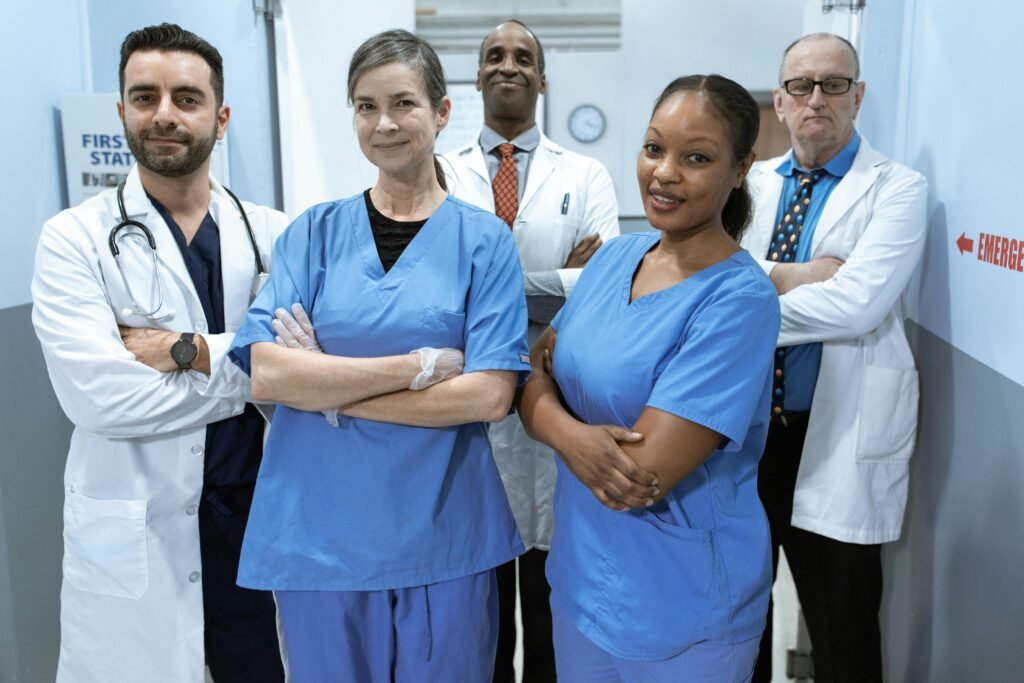
ICU nurses work as part of a cross-functional team, including doctors, respiratory therapists, and other healthcare professionals. Working closely with a diverse team fosters a sense of shared purpose. This collaborative environment helps to provide the best possible care for critical ill patients.
Working as a part of team in such a high stress environment can be rewarding and enriching. It provides continuous opportunities to learn, grow and develop key skills that will help you throughout your career. Personal and Professional Growth
As mentioned, the dynamic nature of the ICU continuously challenges nurses to learn and adapt. This constant learning process enhances their professional knowledge and competences. As well as contributing to their personal growth and resilience. Thriving in this environment can be immensely satisfying, as it pushes nurses to grow personally and professionally.
healthcare professionals working together
Things to Be Aware Of Before Starting an ICU Career
High-Stress Environment
The ICU is a high-stress environment where patients are often in severe and life-threatening conditions. Nurses must be prepared for the emotional toll of caring for critically ill patients. ICU nurses deal with end-of-life situations and support families through traumatic experiences. Developing strong coping mechanisms and resilience is essential for maintaining mental health in this challenging role.
Physically, the demands are significant as well. Long shifts and the physical strain of assisting immobile patients means that the ICU may not be the right role for every healthcare worker. Need for Continuous Learning
The nature of critical care nursing requires ongoing education to stay current with evolving medical practices and technologies. ICU nurses must have a solid knowledge of critical care principles. They must also be proficient with medical equipment such as ventilators, monitors and infusion pumps.
Furthermore, in the ICU, patients conditions can change rapidly, which needs quick and accurate decision-making. Nurses in the ICU must interpret complex clinical data, recognize subtle changes in patient status and implement interventions promptly. This responsibility demands excellent critical thinking and problem-solving abilities.
ICU Nurse Jobs and Career Opportunities
The specialized nature of ICU nurse jobs makes them highly sought after. They are attractive because of the high level of care required and the ability to work with cutting edge medical technology. Nurses looking for ICU jobs can find opportunities in various settings, such as hospitals and specialized care units
ICU travel nursing contracts, available through EmpowerCare, are particularly popular. They offer the chance to work in different locations, and often with competitive ICU travel nurse salaries.
Building an ICU Nurse Resume
When applying for ICU nurse positions, a well-crafted ICU nurse resume is essential. Highlighting relevant experience, certifications, and skills can make a significant difference. For new grad ICU nurses, including clinical rotations in critical care and any specialized training can really help you stand out.
ICU Nurse Salary Expectations
ICU nurse salaries vary based on location, experience, and specialization. Generally, ICU nurses earn competitive salaries, reflecting the demanding nature of the job. ICU travel nurse salaries can be even higher, often including additional benefits such as housing stipends and travel allowances.
Specialized ICU Nursing Roles
Peds ICU Nursing: Specializes in pediatric critical care, providing care to critically ill infants and children.
Intensive Care Nurse Jobs: These positions are available in various specialized units, including cardiac, neuro, and trauma ICUs.
Finding RN Jobs and RN Jobs Near You
For those looking to start or advance their careers, reaching out to EmpowerCare can help you find the RN jobs you are looking for. Whether you’re a seasoned ICU nurse or a new grad ICU nurse, there are many pathways to explore in the critical care field.
Becoming an ICU nurse is a challenging yet deeply rewarding career choice. It is suited for those who have a passion for critical care and a desire to make a significant impact. It requires continuous learning and the ability to collaborate and make crucial decisions in high pressure moments. Understanding what is needed as ICU nurse is the key to a meaningful and successful career.
At EmpowerCare it is our mission to provide unwavering support to nurses of all disciplines. We want to help our ICU nurses as they pursue their career aspirations. Join our network and let us empower you to find your dream role.