
How Does Per Diem Nursing Work in Healthcare

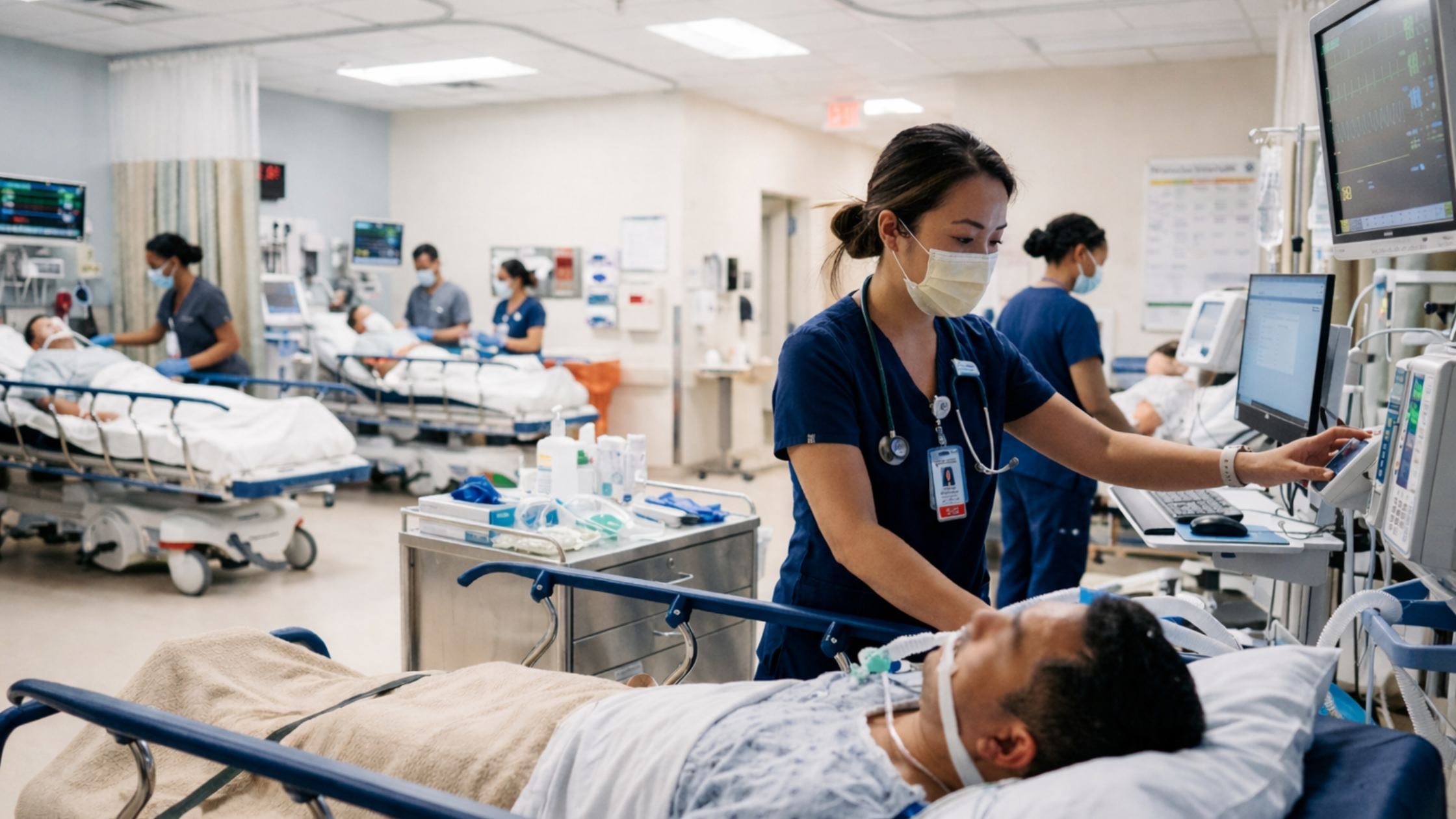
Nurse using tablet in hospital

If you have been exploring flexible nursing career options, you have likely come across the term “per diem.” But how does per diem nursing work, exactly, and is it the right fit for your career? This guide breaks down everything healthcare professionals need to know about per diem work, from how shifts are scheduled to how it compares to traditional employment.

What Does “Per Diem” Mean in Healthcare?

The term “per diem” is Latin for “per day” or “by the day.” In the context of healthcare staffing, per diem employees in healthcare are workers who are available to work shifts on an as-needed basis, rather than being employed on a fixed full-time or part-time schedule. Healthcare facilities rely on per diem employees in healthcare to fill gaps caused by staff absences, unexpected surges in patient volume, or temporary vacancies.

Unlike permanent employees, per diem staff typically do not have guaranteed hours each week. Instead, they receive shift offers often on short notice and choose whether to accept them based on their availability and preferences.

How Does Per Diem Nursing Work: A Step-by-Step Overview

Step 1: Onboarding and Credentialing

Before you can begin working per diem, you must complete the onboarding process with either a healthcare facility or a staffing agency. This typically involves submitting your nursing license, certifications (such as BLS, ACLS, or specialty credentials), employment history, and background check documentation. Once cleared, you are added to the facility’s or agency’s available roster.

Step 2: Shift Offers and Scheduling

Once onboarded, you will receive shift offers via phone call, text, app notification, or scheduling software. Facilities post open shifts often days in advance but sometimes with just a few hours’ notice and per diem nurses either accept or decline based on their availability. This is one of the defining aspects of how per diem nursing works: you are in control of your schedule.

Step 3: Working the Shift

When you accept a per diem shift, you arrive at the assigned facility, complete a brief orientation if it is a new site, and integrate into the existing care team for that shift. Per diem nurses are expected to be clinically competent and able to perform independently without the extended orientation period given to permanent hires.

Step 4: Documentation and Pay

After completing your shift, you submit your hours through the facility’s timekeeping system or the staffing agency’s platform. Per diem employees in healthcare are typically paid a higher hourly rate than staff nurses in exchange for the lack of benefits and schedule guarantee. Pay cycles vary by employer or agency.

Who Uses Per Diem Employees in Healthcare?

Per diem employees in healthcare are utilized across virtually every care setting, including:

  • Hospitals and acute care facilities
  • Long-term care and skilled nursing facilities
  • Home health agencies
  • Outpatient clinics and surgical centers
  • Rehabilitation centers
  • School nursing programs

Facilities rely on per diem nursing staff to maintain safe patient-to-nurse ratios during high-census periods, avoid costly agency premiums associated with last-minute external staffing, and reduce burnout among permanent employees by covering unexpected absences.

Advantages of Per Diem Nursing

Flexible Scheduling

Understanding how per diem nursing works starts with recognizing the freedom it provides. You choose when to work and when to take time off a major advantage for nurses who are parents, students, or managing other personal obligations.

Higher Hourly Pay

Per diem nurses typically earn a higher base hourly rate than their full-time counterparts. Because they do not receive employer-sponsored benefits such as health insurance, retirement contributions, or paid time off, the compensation difference is built into the hourly rate to reflect that trade-off.

Diverse Clinical Experience

Working at multiple facilities exposes per diem nurses to a wider range of patient populations, acuity levels, electronic health record systems, and team dynamics. This breadth of experience is a tremendous professional asset and helps build a highly versatile skill set.

Reduced Workplace Politics

Because per diem employees in healthcare are not tied to a single facility’s internal culture or politics, many nurses find per diem work less stressful from an interpersonal standpoint. You show up, care for patients, and leave without being embedded in departmental dynamics.

Challenges of Per Diem Nursing

Lack of Benefits

Most per diem employees in healthcare do not receive employer-sponsored health insurance, dental or vision coverage, paid sick leave, or retirement matching. Nurses in per diem roles must budget for and independently obtain these protections, which can be a significant cost consideration.

Variable Income

Since per diem work offers no guaranteed hours, your weekly income can fluctuate considerably. During low-census periods or holiday weeks, shift offers may decrease. Successful per diem nurses often work with multiple facilities or through a staffing agency to maintain a consistent volume of shifts.

Orientation Requirements

Each new facility you work at may require you to complete a facility-specific orientation, review policies, and pass competency assessments before you can work independently. Managing multiple orientations can be time-consuming, especially when starting with new sites.

Per Diem Nursing vs. Travel Nursing: What’s the Difference?

Both per diem and travel nursing offer flexibility, but they work differently. Travel nursing involves accepting a formal contract (typically 13 weeks) at a single facility, often in a different city or state, with housing stipends and comprehensive benefits packages. Per diem nursing, on the other hand, involves day-by-day shift work with no contract commitment, usually closer to home.

If you are asking how does per diem nursing work compared to travel nursing, think of per diem as maximum flexibility with local roots, while travel nursing provides structured assignments with relocation and higher all-in compensation packages.

How to Find Per Diem Nursing Work

There are two primary pathways for finding per diem nursing opportunities:

Direct Facility Employment

Many hospitals and healthcare facilities hire per diem employees directly and maintain their own internal float pools. You apply through the facility’s HR department, complete their onboarding, and receive shift offers through their internal scheduling system. This model works well if you want to specialize within a single system.

Healthcare Staffing Agencies

Partnering with a healthcare staffing agency is often the most efficient way to maximize your per diem opportunities. Staffing agencies maintain relationships with multiple facilities, handle credentialing and compliance paperwork, and actively match your skills and availability to available shifts. This approach gives you broader access to shifts and simplifies the administrative burden of working across multiple sites.

When evaluating a staffing agency, look for one with a strong local and national network, transparent pay rates, responsive recruiter support, and a track record of placing per diem employees in healthcare successfully across a variety of settings.

Is Per Diem Nursing Right for You?

Per diem nursing is an excellent career option for nurses who value scheduling flexibility, want to supplement their income, are in nursing school and need a non-fixed schedule, or are transitioning between full-time positions. It is also a smart choice for recently retired nurses who want to stay clinically active on their own terms.

However, if financial predictability and comprehensive benefits are a priority, a full-time or contract position may be a better fit until you build up your per diem client base across multiple facilities.

Final Thoughts on How Per Diem Nursing Works

So, how does per diem nursing work in practice? It is a staffing model built on flexibility for both the healthcare facility and the nurse. Per diem employees in healthcare fill critical gaps in patient care while retaining full control over their schedules and, in many cases, earning premium hourly compensation.

Whether you are a nurse exploring flexible career options or a healthcare facility seeking reliable on-call coverage, per diem nursing offers a practical and mutually beneficial solution.

Ready to explore per diem opportunities? EmpowerCare connects qualified nurses with leading healthcare facilities across the country. Contact us today to get started.

Frequently Asked Questions

  1. What are per diem employees in healthcare?
    Per diem employees in healthcare work on an as-needed basis, picking shifts instead of following a fixed schedule.
  2. How do per diem employees in healthcare get shifts?
    They receive shift offers from hospitals or agencies and can accept or decline based on availability.
  3. Do per diem healthcare workers earn higher pay?
    Yes, they usually earn higher hourly wages since they do not receive full-time benefits.
  4. What are the benefits of per diem roles in healthcare?
    They offer flexible schedules, diverse work experience, and control over workload.
  5. Where can I find per diem healthcare jobs?
    You can apply directly to healthcare facilities or work with staffing agencies like EmpowerCare.
A Complete Guide to Emergency Room Nursing

Emergency room nurse care

Whether you are just starting your healthcare career or considering a specialty shift, becoming an emergency room nurse is one of the most challenging and rewarding paths in the profession. This complete guide to emergency room nursing covers everything you need to know, from daily responsibilities and required skills to career outlook and how to find the right opportunities.

What Is an Emergency Room Nurse?

An emergency room nurse, commonly known as an ER nurse, is a registered nurse who specializes in providing immediate care to patients experiencing acute illnesses, traumatic injuries, or life-threatening conditions. Unlike nurses in other settings, an ER nurse must be prepared to treat a wide range of patients from a child with a high fever to an adult in cardiac arrest often at the same time.

Emergency nursing is a dynamic, fast-paced specialty that demands exceptional clinical skills, quick decision-making, and the ability to remain composed under pressure. Every shift is different, which is part of what makes it such a fulfilling career choice for many healthcare professionals.

Core Responsibilities of an Emergency Room Nurse

The day-to-day role of an emergency room nurse encompasses a wide spectrum of clinical and patient care duties. Here is a breakdown of what ER nurses typically do:

  • Triage patients upon arrival and assess the severity of their condition
  • Administer medications, IV fluids, and treatments as directed by physicians
  • Monitor vital signs and patient status continuously
  • Assist with emergency procedures such as intubation, wound care, and resuscitation
  • Coordinate care between physicians, specialists, and support staff
  • Document patient information accurately in the electronic health record (EHR)
  • Communicate diagnoses, updates, and discharge instructions to patients and families
  • Maintain readiness and stock emergency supplies and crash carts

Emergency nursing requires professionals who can shift priorities rapidly as new patients arrive and conditions change. The ability to multitask while staying focused on individual patient safety is a defining trait of a successful ER nurse.

Education and Licensing Requirements

Degree Requirements

To become an emergency room nurse, you must first obtain either an Associate Degree in Nursing (ADN) or a Bachelor of Science in Nursing (BSN). While both degrees qualify you to sit for the NCLEX-RN licensing exam, many hospitals and emergency departments prefer or require a BSN due to the complexity of care involved in emergency nursing.

Licensure

After completing your nursing degree, you must pass the NCLEX-RN examination to become a licensed registered nurse (RN). This is a mandatory step before you can practice as an ER nurse in any state.

Certifications for ER Nurses

While not always required for entry-level positions, earning specialty certifications significantly enhances your credibility and career prospects in emergency nursing. Key certifications include:

  • CEN (Certified Emergency Nurse) – The gold standard credential for ER nurses, offered by the Board of Certification for Emergency Nursing (BCEN)
  • ACLS (Advanced Cardiovascular Life Support) – Essential for managing cardiac emergencies
  • PALS (Pediatric Advanced Life Support) – Required for facilities treating pediatric patients
  • TNCC (Trauma Nursing Core Course) – Provides training for trauma care scenarios
  • BLS (Basic Life Support) – A baseline requirement for nearly all nursing positions

Skills Every ER Nurse Must Have

Emergency nursing demands a unique combination of technical expertise and interpersonal abilities. The most effective ER nurses demonstrate the following skills:

Clinical Proficiency

Emergency room nurses must be highly skilled in procedures such as IV insertion, wound management, catheterization, airway management, and cardiac monitoring. Confidence in clinical tasks is built through hands-on experience and continuous education.

Critical Thinking

An ER nurse encounters unpredictable situations constantly. Strong critical thinking skills allow them to analyze symptoms, anticipate complications, and act decisively when every second counts.

Communication

Clear and compassionate communication with patients, families, and the healthcare team is essential in emergency nursing. ER nurses serve as a bridge between frightened patients and complex medical information.

Stress Management and Resilience

Emergency nursing is emotionally and physically demanding. Successful ER nurses develop healthy coping mechanisms, lean on their team, and maintain emotional resilience to sustain long, intense careers.

Adaptability

No two shifts are alike in the ER. The ability to adjust quickly to changing patient loads, trauma scenarios, and evolving protocols is crucial for every emergency room nurse.

Work Environment and Shift Structure

Emergency room nurses typically work in hospital emergency departments, urgent care centers, freestanding ERs, or trauma centers. Most ER nurses work 12-hour shifts in a rotating schedule that may include nights, weekends, and holidays.

The physical demands of emergency nursing are significant ER nurses are on their feet throughout most shifts, frequently lifting or repositioning patients, and operating in high-sensory environments. Despite these demands, many ER nurses find the environment energizing and deeply purposeful.

Career Growth and Salary Expectations

Average Salary

The salary for an emergency room nurse varies depending on experience, location, and employer. According to the Bureau of Labor Statistics, registered nurses in the United States earn a median annual salary of over $80,000, with experienced ER nurses and travel nurses often earning significantly more. Specialized certifications like the CEN can further boost earning potential.

Career Advancement

Emergency nursing opens the door to numerous career advancement opportunities, including:

  • Charge Nurse or Nurse Manager roles within the ED
  • Trauma Coordinator or Flight Nurse positions
  • Nurse Practitioner or Clinical Nurse Specialist with an ER focus
  • Travel ER nurse roles that offer higher pay and flexibility
  • Education and training positions in emergency nursing programs

Travel and Per Diem ER Nursing

For emergency room nurses who crave variety and flexibility, travel nursing and per diem roles offer exciting alternatives to traditional full-time employment. Travel ER nurses take short-term assignments at hospitals across the country, earning competitive pay packages that often include housing stipends, health benefits, and travel allowances.

Per diem ER nurses, on the other hand, work on an as-needed basis for one or more healthcare facilities. This model offers maximum schedule flexibility and suits those who prefer to control their own workload. Both options allow skilled ER nurses to broaden their clinical experience while potentially increasing their income.

How to Find ER Nursing Jobs

Finding the right emergency room nurse position starts with knowing where to look. Here are the most effective strategies:

  • Partner with a healthcare staffing agency that specializes in emergency nursing placements. They offer access to exclusive job opportunities and handle the negotiation process on your behalf
  • Use professional networks such as the Emergency Nurses Association (ENA) and platforms like LinkedIn to connect with hiring managers
  • Apply directly to hospital systems with high-volume ERs and Level I or Level II trauma centers for the most challenging and rewarding experiences
  • Consider travel nursing contracts as a stepping stone to explore different hospitals, regions, and patient populations

Is Emergency Room Nursing Right for You?

Emergency nursing is not a career path for everyone, but for those who thrive in high-pressure environments, enjoy variety, and are driven by the ability to make an immediate difference in someone’s life, it can be deeply fulfilling. If you are compassionate, resilient, technically skilled, and genuinely energized by the unexpected, a career as an ER nurse may be exactly the right fit.

Final Thoughts

Emergency room nursing is one of the most respected and essential specialties in healthcare. Whether you are a new graduate eager to enter the field or an experienced nurse looking for a new challenge, emergency nursing offers unmatched career variety, purpose, and growth. With the right preparation, certifications, and support from a trusted staffing partner, you can build a successful and rewarding career as an emergency room nurse.

Ready to take the next step? EmpowerCare connects skilled ER nurses with top healthcare facilities across the country. Explore our current openings today.

Frequently Asked Questions

  1. What does an emergency room nurse do?
    An emergency room nurse provides immediate care to patients with injuries, illnesses, or life-threatening conditions in fast-paced hospital environments.
  2. What qualifications are needed to become an ER nurse?
    You need an ADN or BSN degree, pass the NCLEX-RN exam, and hold a valid RN license. Certifications like ACLS or CEN are also beneficial.
  3. Is emergency room nursing stressful?
    Yes, it is a high-pressure role, but it is also highly rewarding for those who can handle fast decision-making and critical situations.
  4. What skills are important for an emergency room nurse?
    Key skills include clinical expertise, critical thinking, communication, adaptability, and stress management.
  5. How can I find emergency room nurse jobs?
    You can apply through hospital websites, professional networks, or healthcare staffing agencies like EmpowerCare.

What Every Surgery Nurse Should Know About How Per Diem Nursing Works

per diem nursing works for surgery nurses

per diem nursing works for surgery nurses

Nurses are the main pillars of patient care; without them, we cannot even imagine what hospital care would look like. They work multiple shifts to ensure that the patients get the best Care for which they have entered the institution. Especially when it comes to surgical nurses, the surgeon and the team operating on you will be present at all times, but the central role remains with the surgery nurse, who is involved from your admission until you leave their Care. Surgery nursing is a demanding, specialized field. It requires precision, calm under pressure, exceptional clinical judgment, and meticulous coordination of Care. What happens when you add per diem nursing into that equation? How does a surgery nurse navigate the flexibility, opportunity, and expectations of per diem work without sacrificing clinical excellence or professional growth? This guide answers the question: How does per diem nursing work for surgery nurses?  

The Basics for Surgery Nurses 

Per diem nursing is a staffing model in which nurses work on an as-needed, shift-by-shift basis rather than as full- or part-time staff. For surgery nurses, this can mean taking on assignments in surgical departments, perioperative care units, pre- and post-op Care, or other surgical support areas without being tied to a fixed schedule. 

The appeal is clear: 

  • Flexibility in scheduling 
  • Ability to choose assignments that fit lifestyle or goals 
  • Exposure to diverse surgical environments 
  • Potential for higher hourly compensation 

Understanding challenges like continuity and variable expectations helps surgery nurses feel prepared and resilient, reducing uncertainty in per diem work.  

How Does Per Diem Nursing Work for Surgery Nurses? 

How does per diem nursing fit with the surgery nurses’ schedule? That’s the question on your mind as an aspiring individual. Well, here’s why –  

  • Flexible Scheduling 

Per diem work allows surgery nurses to: 

  • Select shifts that fit with personal commitments 
  • Work more or fewer hours based on need 
  • Take breaks between assignments without affecting employment status 

For many surgery nurses, this flexibility supports work-life balance or allows them to complement traditional roles with high-impact, short-term assignments. 

  • Diverse Clinical Exposure 

Working per diem often places nurses in a variety of surgical settings. This can include: 

  • Orthopaedic surgery 
  • General surgery 
  • Obstetrics and Gynaecology 
  • ENT/otolaryngology 
  • Ambulatory surgical centres 

This variety can strengthen clinical skills, expand professional versatility, and build confidence across different operative environments. 

  • Per diem nursing typically requires streamlined credentialing and orientation processes, but nurses should also consider how to stay current with ongoing education and certifications to support their professional growth. 

Per diem nursing typically requires streamlined credentialing and orientation processes. Agencies like Empower Care ensure that surgery nurses are: 

  • Properly credentialed 
  • Fully compliant with facility requirements 
  • Prepared for the specific environment before each assignment 

This makes the transition between operating rooms and institutions smoother and safer, a vital consideration when patient safety is at stake.  

Why Surgery Nurses Choose Per Diem Work 

The shift toward per diem nursing among surgery nurses isn’t random. Those who choose this model often value: 

Control Over Schedule 

Per diem nurses can prioritize: 

  • Family time 
  • Continuing education 
  • Travel or personal interests 
  • Part-time stability without full-time obligation 

This level of autonomy is rare in traditional roles.

Professional Variety 

Routine can be comforting, but too much routine can also stagnate clinical growth. Per diem assignments expose nurses to varying protocols, teams, and patient flows, helping them refine their judgment and adaptability. For surgery nurses, this is not just enriching, it’s confidence-building. 

Enhanced Compensation 

Because per diem positions can fill urgent staffing gaps, they often come with competitive pay rates, allowing surgery nurses to earn more for the same shifts they’d work traditionally. Empower Care specializes in helping nurses find assignments that align with both their financial and clinical goals. 

Per Diem Nursing and Career Growth for Surgery Nurses 

Per diem nursing is not just a stopgap; it can be a pathway to career enrichment. For surgery nurses, per diem work can: 

  • Provide exposure to a variety of surgical settings 
  • Build adaptability and clinical confidence 
  • Expand professional networks 
  • Offer opportunities to learn new procedures and protocols 
  • Support financial goals without sacrificing clinical growth 

With Empower Care’s coaching and placement strategy, surgery nurses can build careers that reflect both flexibility and expertise.

Challenges of Per Diem Work, and How to Manage Them 

Per diem nursing is empowering, but it also presents unique considerations, especially in high-acuity surgical environments. 

1. Continuity of Care 

In surgery settings, continuity is critical for patient outcomes. Per diem nurses must be adept at: 

  • Integrating into teams quickly 
  • Understanding care plans at a glance 
  • Communicating effectively across shifts 

Strong documentation and situational awareness become essential skills. 

2. Rapid Onboarding 

Per diem assignments often involve shorter orientation periods. Nurses must: 

  • Learn facility systems rapidly 
  • Understand specific surgical protocols 
  • Build rapport with teams they’ve never worked with before 

This demands confidence, clarity, and professionalism. 

3. Variable Expectations 

Different facilities may approach: 

  • Pre-op preparations 
  • Intraoperative responsibilities 
  • Post-op patient care 
  • Documentation standards 

in slightly different ways. Per diem nurses must be adaptable while still upholding their core clinical standards. 

Agencies like Empower Care support nurses in understanding facility expectations ahead of time, so there are no surprises on shift one. 

Tips for Surgery Nurses Considering Per Diem Work 

Here are actionable insights for surgery nurses interested in understanding how per diem nursing works: 

1. Know Your Priorities 

Identify which factor matters most, flexibility, income, or clinical diversity, and communicate it clearly to your staffing partner. 

2. Stay Prepared 

Maintain current credentials, keep documentation organized, and stay proactive about compliance. 

3. Ask About Facility Expectations 

Before each assignment, clarify: 

  • Orientation processes 
  • Specific clinical responsibilities 
  • Documentation standards 
  • Team structures 

This minimizes surprises and supports performance. 

4. Seek Supportive Partnerships 

Choose staffing agencies that: 

  • Understand surgical environments 
  • Provide clear communication 
  • Offer ongoing support 
  • Respect your goals 

Empower Care embodies these qualities. 

Per Diem Nursing as a Strategic Career Choice 

Per diem nursing is more than a flexible schedule; it’s a clinical pathway that can strengthen skills, support personal goals, and elevate professional value. For surgery nurses, this model offers deep exposure to diverse care settings, opportunities for meaningful work, and potential for financial growth. Understanding how per diem nursing works is the first step. Choosing the right staffing partner is the second, and most impactful. Empower Care supports surgery nurses in every part of the journey, from credentialing and placement to follow-up and career advancement. For employers, Empower Care delivers dependable, skilled per diem talent when and where it matters most. In today’s healthcare world, strong nursing isn’t just a resource; it’s the foundation of quality care.

Frequently Asked Questions (FAQs)

1. How does per diem nursing work for surgery nurses?

Per diem nursing allows surgery nurses to work flexible, shift-based assignments instead of fixed schedules. Empower Care connects nurses with surgical facilities based on availability and preference.

2. What surgical settings can per diem nurses work in?

Per diem surgery nurses may work in operating rooms, ambulatory centers, orthopaedics, general surgery, OB/GYN, and other perioperative units.

3. Does Empower Care manage credentialing?

Yes. Empower Care handles credentialing, compliance, and placement to ensure nurses are fully prepared for each assignment.

4. What are the benefits of per diem surgical nursing?

It offers flexible scheduling, competitive pay, diverse clinical exposure, and better work-life balance.

5. Is per diem nursing good for career growth?

Yes. It helps surgery nurses build skills, expand networks, and gain experience across multiple healthcare settings.

Your journey is yours, but you don’t have to walk it alone. Let Empower Care help you rise.

Learn More: Why Nurses Choose Per Diem Careers

Per Diem Nursing: What It Is, How It Works, and the Pros & Cons

Per Diem Nursing

Per Diem Nursing

Nurses play a crucial role as caregivers in the medical industry; once the doctor has started your treatment or operated on you, the nurses look after the patient, ensure that they are fed well and given medications on time, and are under proper care. In the dynamic world of healthcare, flexibility is often the key to sustainability—for both professionals and providers. As the demand for quality patient care rises, so does the need for adaptable staffing models. Among these, per diem nursing jobs is becoming an increasingly popular option. Whether you’re a nurse looking for work-life balance or a healthcare facility seeking reliable support, per diem staffing offers unique advantages. In this blog, we’ll unpack everything you need to know about per diem nursing—what it is, how it works, and the pros and cons for nurses and medical employers. We’ll also dive into the role of a per diem staffing agency and how per diem medical staffing is changing the healthcare labor landscape. 

What is Per Diem Nursing? 

“Per diem” is a Latin term that translates to “per day.” In healthcare, per diem nursing refers to nurses who work on a day-by-day or shift-by-shift basis rather than being employed on a full-time or part-time schedule. Think of them as the relief pitchers of the nursing world—they step in when needed, fill staffing gaps, and keep operations running smoothly. 

Per diem nurses typically work for: 

  • Hospitals 
  • Long-term care facilities 
  • Home health agencies 
  • Rehabilitation centers 
  • Adult foster care homes 
  • Medical staffing agencies 

Per diem, nurses can be hired directly by a facility or a staffing agency, connecting qualified professionals with organizations needing immediate support. To become a per diem nurse, one must have a nursing degree, relevant experience, and a valid nursing license. Some facilities or agencies may also require additional certifications or training. 

How Does Per Diem Nursing Work? 

Per diem, staffing is intentionally flexible. Nurses may receive shift offers with very short notice—sometimes the same day—and can accept or decline based on availability. This model works well for facilities needing help due to: 

  • Staff vacations 
  • Illnesses 
  • Maternity leaves 
  • Unexpected patient surges 
  • Seasonal demand 

Some per diem nurses work sporadically to earn extra income, while others make it their full-time career by working several shifts across different facilities. Typically, per diem roles do not come with guaranteed hours, but they often offer higher hourly pay to compensate for the lack of job security and benefits. 

The Pros of Per Diem Nursing 

Let’s examine why many nurses and healthcare facilities lean into the per diem model. 

For Nurses: 

  1. Flexibility

Nursing offers unmatched flexibility on a per diem basis. Nurses can choose when and where to work, which is perfect for parents, students, or anyone juggling multiple responsibilities. 

  1. Higher Pay Rates

Due to the nature of the work, per diem, nurses often earn more per hour than their full-time counterparts. This makes it a smart option for supplementing income. 

  1. Reduced Burnout

Choosing your schedule and avoiding overwork can help prevent emotional exhaustion and improve job satisfaction. 

  1. Variety of Experience

Working in different facilities exposes nurses to diverse patient populations, medical conditions, and care techniques, which is great for professional development. 

  1. No Long-Term Commitment

Nursing is an ideal transitional path for nurses unsure about a long-term role or considering a career shift. 

For Healthcare Facilities: 

  1. Staffing Relief

Per diem staffing provides much-needed relief for healthcare facilities. It helps cover absences and keep shifts running smoothly without exhausting your permanent team. This flexibility ensures patient care is not compromised, even during unexpected staff shortages. 

  1. Cost Efficiency

Facilities only pay for the time worked, avoiding the overhead of benefits, paid time off, and long-term obligations. This cost-efficient model ensures that your budget is used effectively, especially during periods of high demand. 

  1. Fast Turnaround

Need someone today? Agencies can deliver qualified nurses almost immediately, minimizing disruptions to care delivery. 

  1. Quality Care Continuity

Trained, licensed per diem staff can seamlessly step in to maintain a high standard of patient care—even during staffing crises. This continuity of care ensures that your patients receive the same level of quality care, regardless of staff changes. 

The Cons of Per Diem Nursing 

While there are major perks, it’s not all sunshine and flexible shifts. Both nurses and facilities should consider the challenges, too. 

For Nurses: 

  1. No Guaranteed Hours

Work may not always be available, especially during slower periods. Income can be unpredictable. 

  1. Lack of Benefits

Most per diem positions don’t include health insurance, retirement plans, or paid time off—though some agencies offer limited perks. 

  1. Variable Schedules

You might work night shifts one week and day shifts the next. The inconsistency can be tough to manage, especially for caregivers. 

  1. Limited Connection to Team

Since you’re not a permanent part of the staff, building strong workplace relationships may be harder, and you may feel like an outsider. 

For Healthcare Facilities: 

  1. Training Time

New per diem staff may need onboarding each time they arrive, especially if your systems and processes are complex. 

  1. Less Consistency

Rotating per diem can create continuity challenges for nurses, particularly in environments like adult foster care, where relationship-building is key. 

  1. Administrative Coordination

Even with an agency’s help, managing multiple per diem schedules can become a logistical puzzle. 

What is Per Diem Staffing? 

Per diem staffing refers to the system through which healthcare facilities fill short-term staffing needs with temporary professionals—often for just a shift or two at a time. It’s a highly efficient method that ensures care continuity, especially in high-demand environments where permanent staff may be stretched thin. 

Facilities can work with a per diem staffing agency to gain access to a roster of licensed and vetted professionals, including: 

  • Registered Nurses (RNs) 
  • Licensed Practical Nurses (LPNs) 
  • Certified Nursing Assistants (CNAs) 
  • Home health aides 
  • Medical assistants 

Agencies handle the logistics—recruitment, credentialing, scheduling, and payroll—so facilities can focus on delivering quality care. 

The Role of a Per Diem Staffing Agency 

A per diem staffing agency acts as the bridge between healthcare professionals and the organizations that need them. For nurses, it’s like having a personal recruiter constantly looking for opportunities that match their preferences. 

Here’s what agencies typically provide: 

  • Access to flexible jobs across different shifts, facilities, and locations. 
  • Credential verification to ensure nurses meet all licensing and training requirements. 
  • Payment processing so nurses get paid accurately and on time. 
  • Real-time scheduling via mobile apps or online platforms. 
  • Support and guidance, especially for new nurses or those entering per diem work for the first time. 

These agencies remove the administrative burden for healthcare organizations and offer peace of mind. When staff shortages hit unexpectedly, agencies can step in to deliver qualified personnel within hours. 

Final Thought

In a healthcare system that needs to evolve by the hour, per diem, nursing offers the agility and responsiveness that modern medicine demands. It’s a win-win when done right—nurses enjoy greater control and variety while facilities stay prepared for anything. However, the success of per diem staffing hinges on having the right partner. Whether you’re a nurse seeking freedom or a care facility striving to meet rising expectations, EmpowerCare is here to help you thrive. At EmpowerCare, we understand that the future of healthcare depends on flexibility, quality, and trust. That’s why our per diem medical staffing services are designed to meet the needs of both professionals and facilities. We go beyond just filling shifts—we build relationships. Our network of licensed, compassionate caregivers is carefully vetted and trained to deliver excellence, whether working one shift or one hundred. For nurses, we offer a seamless platform where you can pick shifts that suit your lifestyle and earn competitive pay. We offer 24/7 access to staffing support for facilities, helping you maintain care continuity without stress. 

With us, you’re not just filling shifts—you’re empowering lives, one day at a time.